
Selçuk Bayraktar Sets New Sights on Space After KIZILELMA

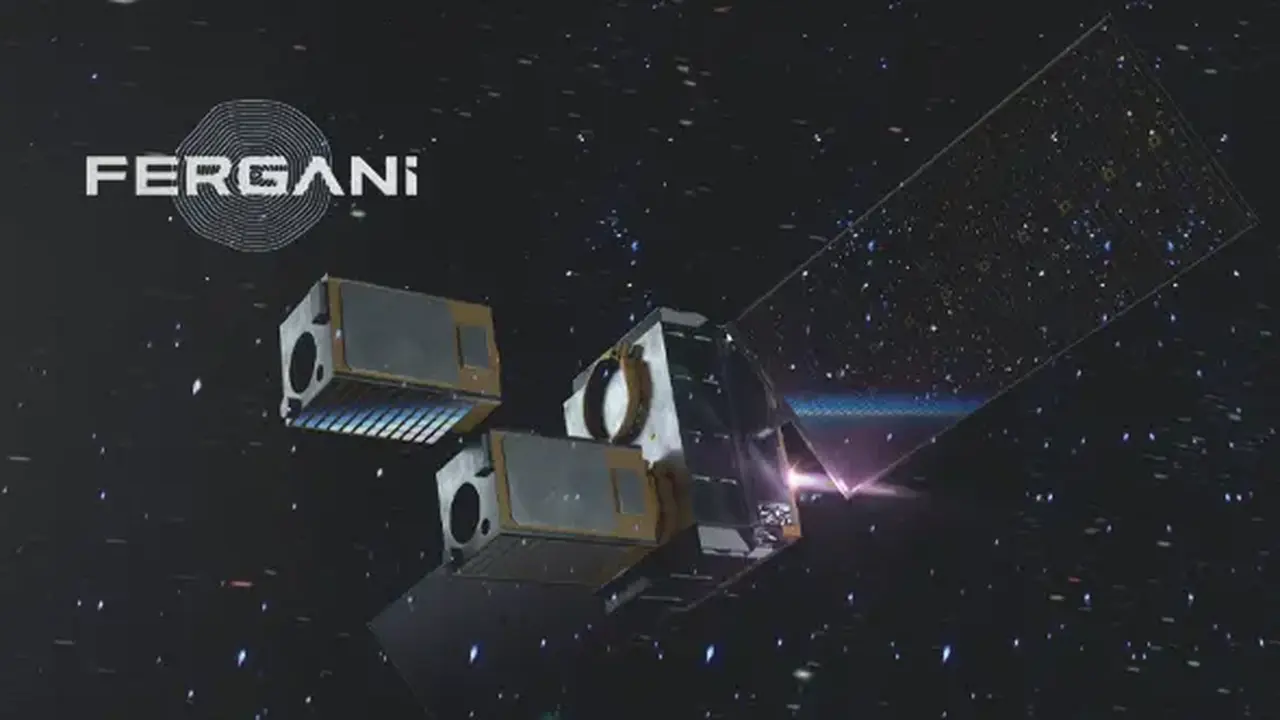
At the 77th International Astronautical Congress (IAC 2026) held in Antalya, Selçuk Bayraktar, the leader of Turkey’s premier defense firm Baykar, outlined the nation’s strategic shift from advanced unmanned aerial vehicles (UAVs) to ambitious space technologies. Following the successful development and flight of the KIZILELMA combat drone, Bayraktar announced that the company’s focus has expanded toward the space sector. By leveraging the technical expertise gained through the production of Bayraktar TB2 and AKINCI platforms, the organization aims to establish domestic capabilities in satellite constellations and orbital navigation, cementing its commitment to national technological independence.
- Baykar has shifted its strategic focus toward space technologies following the successful deployment of the KIZILELMA drone.
- The FERGANİ initiative employs over 140 engineers and technicians with an average age of 26 to develop satellite systems.
- The company utilizes its high-tech export revenues to fund long-term research in space-based positioning and orbital transfer vehicles.
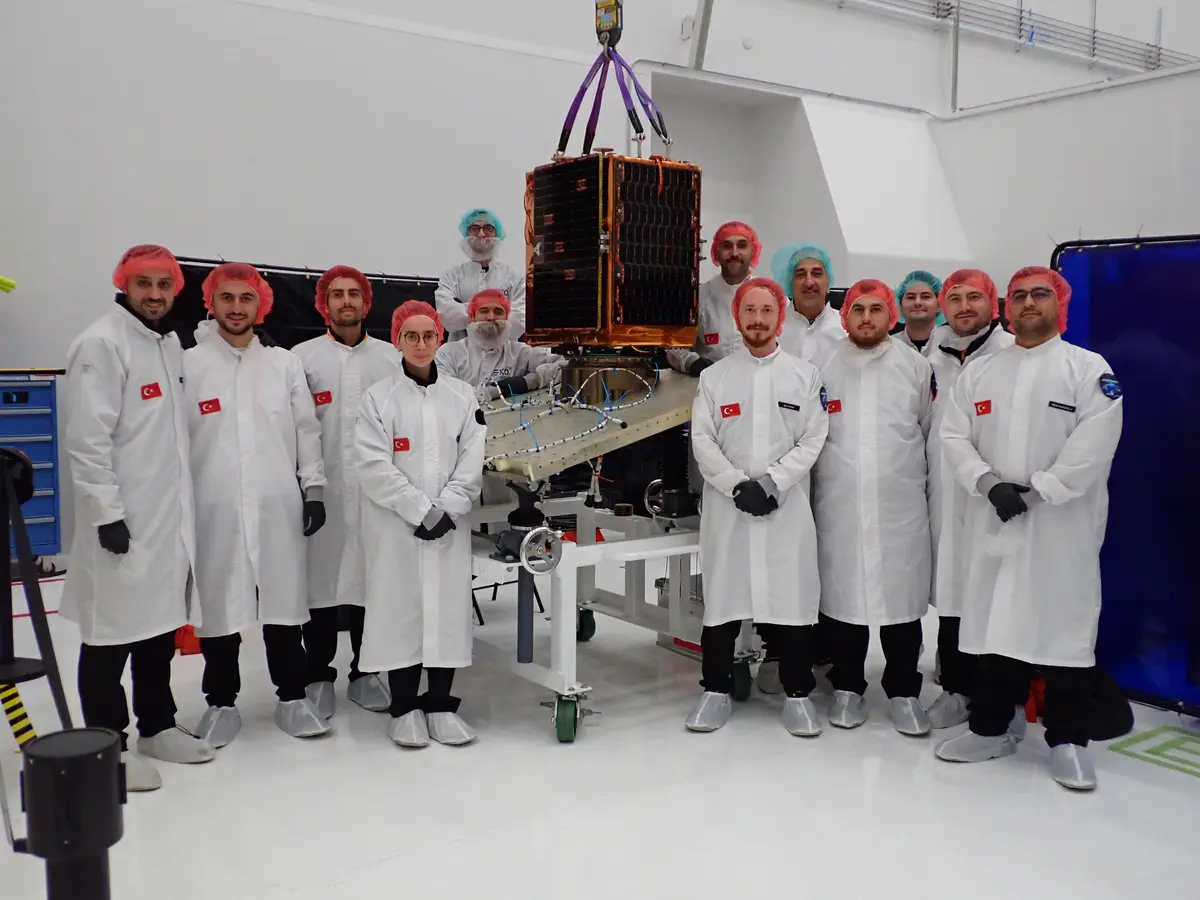
FERGANİ Initiative Leads the Technological Development
The core of this new aerospace endeavor is represented by FERGANİ, a specialized initiative funded entirely by Baykar’s internal capital. The startup currently hosts a team of more than 140 engineers and technical experts, maintaining a youthful workforce with an average age of 26. Bayraktar highlighted that over 90 percent of Baykar’s revenue originates from high-technology exports, which provides the necessary financial foundation to explore frontier sectors such as space exploration and satellite infrastructure.
Uluğ Bey Project Targets Satellite Positioning
Among the primary objectives of the FERGANİ initiative is the development of the Uluğ Bey project, a sophisticated global positioning system. Modern satellite-based infrastructures are critical for accurate navigation, time synchronization, and precise location determination. By building indigenous capabilities in satellite constellations, ground control stations, and advanced signal processing, the initiative seeks to enhance Turkey’s sovereign position in the global space economy.
Beyond basic satellite deployment, the project encompasses the development of orbital transfer vehicles and launch systems. These tools are essential for the logistical movement of assets between different orbits, providing the infrastructure needed for a comprehensive space presence.
Engineering Experience Drives Future Space Innovations
The transition from UAV production to space technology is supported by a significant convergence of engineering disciplines. The development of platforms like the Bayraktar TB2 and TB3 necessitated domestic advancements in flight control systems, autonomous navigation, artificial intelligence, and electronic hardware. While satellite systems and launch vehicles present unique challenges, they share a fundamental technical lineage with drone technology, including system integration, software development, and complex electronic architecture.
Baykar’s strategy reflects a long-term vision where the operational experience gained in the atmosphere directly facilitates the mastery of extraterrestrial environments. As the firm continues to scale its operations, the integration of aerospace technology remains the central pillar of its growth strategy. By internalizing the production of critical components—excluding propulsion units like turbine engines—the company has fostered a robust engineering ecosystem that is now being successfully exported into the realm of satellite manufacturing and space logistics.
How do you view the potential impact of Turkey’s shift toward space technology and the development of indigenous satellite systems? Share your thoughts and predictions in the comments section below.
Your comment has been submitted,
it will be published after approval.