
Lockheed Martin Unveils PAC-3 Edge to Neutralize Hypersonic Missile Threats

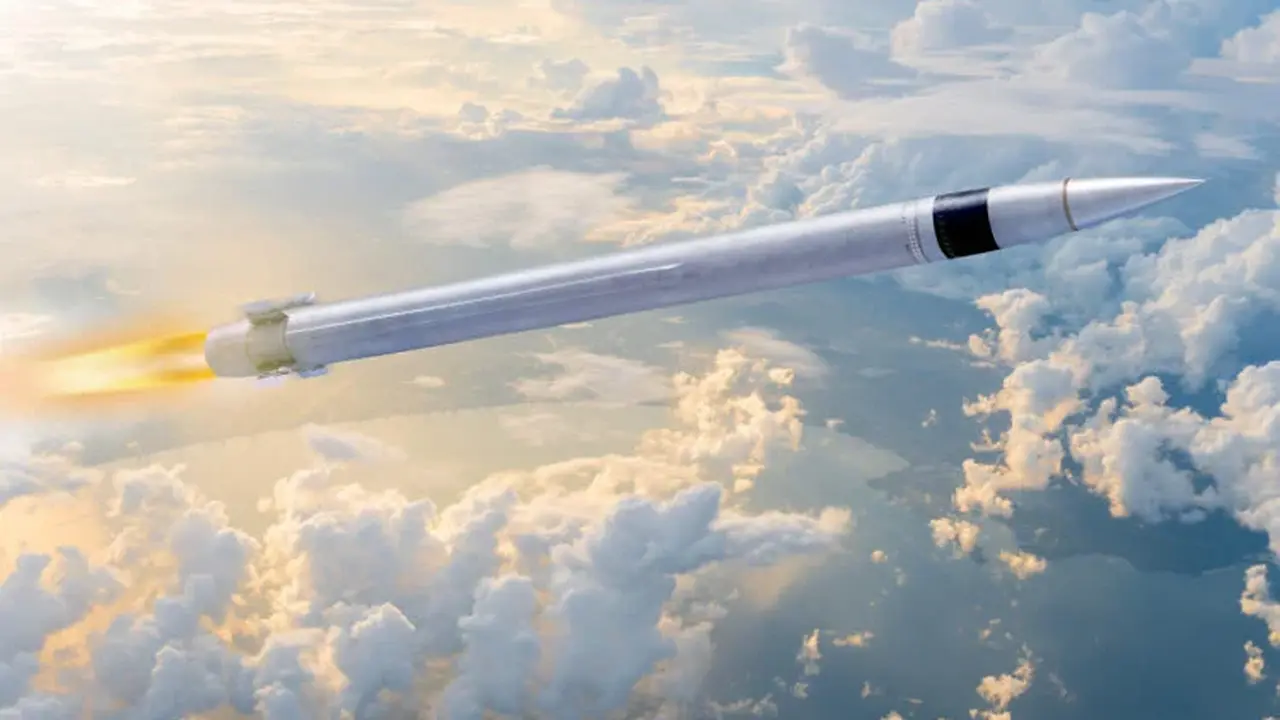
On October 9, U.S. defense giant Lockheed Martin officially announced the development of the PAC-3 Edge, a next-generation interceptor designed to bolster modern air and missile defense systems. Building upon the established technological foundation of the PAC-3 MSE, this new system integrates cutting-edge components to specifically address the rising dangers posed by hypersonic missiles and sophisticated aerial targets. The initiative aligns with the U.S. Army’s long-term strategy to enhance its defensive envelope at significantly higher altitudes and longer ranges than current systems allow. Development and testing are slated to accelerate by 2027, with the final goal of achieving full operational status by 2031.
- Lockheed Martin is developing the PAC-3 Edge to specifically intercept hypersonic missiles at higher altitudes.
- The new interceptor utilizes a dual-pulse solid rocket motor provided by Northrop Grumman to expand its engagement envelope.
- Full operational capability for the PAC-3 Edge system is anticipated by the year 2031.
- Lockheed Martin aims to increase its annual production capacity for PAC-3 missiles to 2,000 units.
New Seekers and Rocket Motors Enhance Interceptor Capabilities
The technical innovations of the PAC-3 Edge represent a significant leap forward in interceptor technology. At the heart of the system is a newly developed seeker head produced by Lockheed Martin’s Strigo product center. This advanced seeker is designed to maintain a lock on highly maneuverable targets, which is a critical requirement for defeating hypersonic glide vehicles that can change trajectory during flight. By improving the sensitivity and processing speed of the seeker, the PAC-3 Edge provides the precision necessary for hit-to-kill interceptions.
Furthermore, the PAC-3 Edge incorporates a dual-pulse solid rocket motor supplied by Northrop Grumman. This propulsion architecture is a game-changer for missile defense. Unlike traditional single-pulse motors, a dual-pulse system allows the missile to manage its energy more effectively across different phases of flight. It can provide a second burst of thrust during the terminal phase, ensuring the interceptor has enough kinetic energy to maneuver and strike targets at extreme altitudes where the atmosphere is thin. This combination of advanced guidance and propulsion ensures that the PAC-3 Edge can protect a wider area against more diverse threats.
Development Timeline Targets a 2031 Operational Deployment
While the announcement has generated significant interest in the defense community, the PAC-3 Edge is currently in its early development stages. Lockheed Martin has outlined a clear roadmap for the system’s maturation. The company plans to ramp up intensive development and testing activities in 2027. This period will involve rigorous flight tests and integration simulations to ensure the new components work seamlessly with existing Patriot launch platforms. The U.S. Army is working closely with the manufacturer to align the missile’s capabilities with future battlefield requirements.
According to current projections, the system is expected to enter service by 2031. This timeline highlights that the PAC-3 Edge is a long-term solution meant to address the evolving nature of missile warfare over the next decade. Until its deployment, the U.S. and its allies will continue to rely on the PAC-3 MSE, which remains a highly capable interceptor. The transition to the Edge variant will be gradual, allowing for a phased modernization of existing air defense batteries without creating gaps in defensive coverage.
United States Increases Its National Missile Production Capacity
The introduction of the PAC-3 Edge comes at a time when the United States is aggressively seeking to expand its overall production of air defense munitions. Global tensions and the lessons learned from recent conflicts have underscored the need for a robust inventory of interceptor missiles. To meet this demand, the Washington administration has been negotiating large-scale procurement contracts with major defense contractors. These efforts are not just about developing new technology, but also about ensuring that enough effectors are available to defend against massed missile attacks.
In July, Lockheed Martin secured a massive contract valued at up to $58.6 billion to increase the production capacity of the PAC-3 family. The company’s strategic objective is to raise its annual manufacturing output from approximately 600 missiles to as many as 2,000 units. While the PAC-3 Edge is a distinct technological development within this framework, the overall expansion of the production line will likely benefit the eventual manufacturing rollout of the newer interceptor. Strengthening the industrial base is now seen as a national security priority to maintain a credible deterrent.
Strategic Variety Offers Solutions for Diverse Defensive Threats
The PAC-3 Edge is not the only new addition to Lockheed Martin’s interceptor portfolio. In 2026, the company introduced the PAC-3 ACE (Advanced Cost Efficiency), which takes a different approach to missile defense. While the PAC-3 Edge focuses on high-performance metrics like increased range and altitude to stop the most advanced threats, the ACE variant is designed to be a more economical option. The goal of the ACE program is to provide a cost-effective solution for intercepting a wide range of standard aerial and missile threats, allowing military forces to preserve their most expensive and capable interceptors for the highest-tier dangers.
This dual-track strategy demonstrates how the U.S. military is balancing the need for advanced performance with the reality of limited defense budgets. By having a mix of high-end interceptors like the PAC-3 Edge and more affordable options like the ACE, defense planners can tailor their responses to the specific nature of an incoming threat. This layered approach ensures that the air defense network remains resilient, flexible, and sustainable in the face of rapidly evolving global missile technologies.
How do you think the development of hypersonic interceptors will change the balance of global military power? Share your thoughts on the future of air defense in the comments below!
Your comment has been submitted,
it will be published after approval.