
METU’s Lunar Exploration Vehicle CHERI Targets 2030 Launch

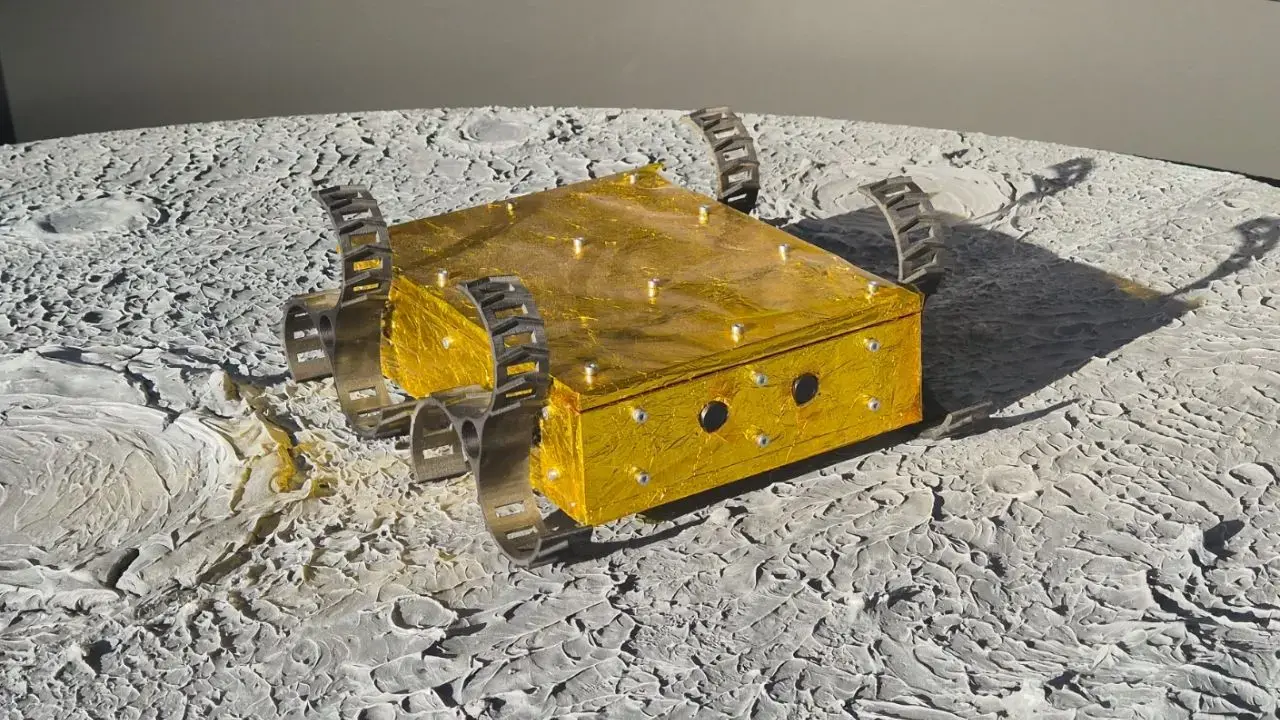
At the 77th International Astronautical Congress (IAC 2026) held in Antalya, Middle East Technical University (METU) Rector Prof. Dr. Ahmet Yozgatlıgil announced significant progress on the university’s ambitious lunar project, CHERI. The project, which involves the development of two autonomous micro-exploration vehicles designed for the Moon’s surface, has reached the prototype completion phase, with design refinements and rigorous testing currently underway. Developed in collaboration with the China Space Agency and various Chinese academic institutions, the initiative engages over 120 students and researchers. While the mission targets a 2030 launch, officials noted that the timeline remains subject to external factors beyond the university’s control.
- The CHERI mission features two autonomous micro-rovers designed to conduct coordinated exploration tasks on the Moon.
- METU researchers are focusing on overcoming the harsh environmental conditions of the lunar South Pole.
- The project integrates advanced artificial intelligence to minimize the need for continuous real-time control from Earth.
- Launch operations for the lunar mission are currently scheduled to take place in 2030.
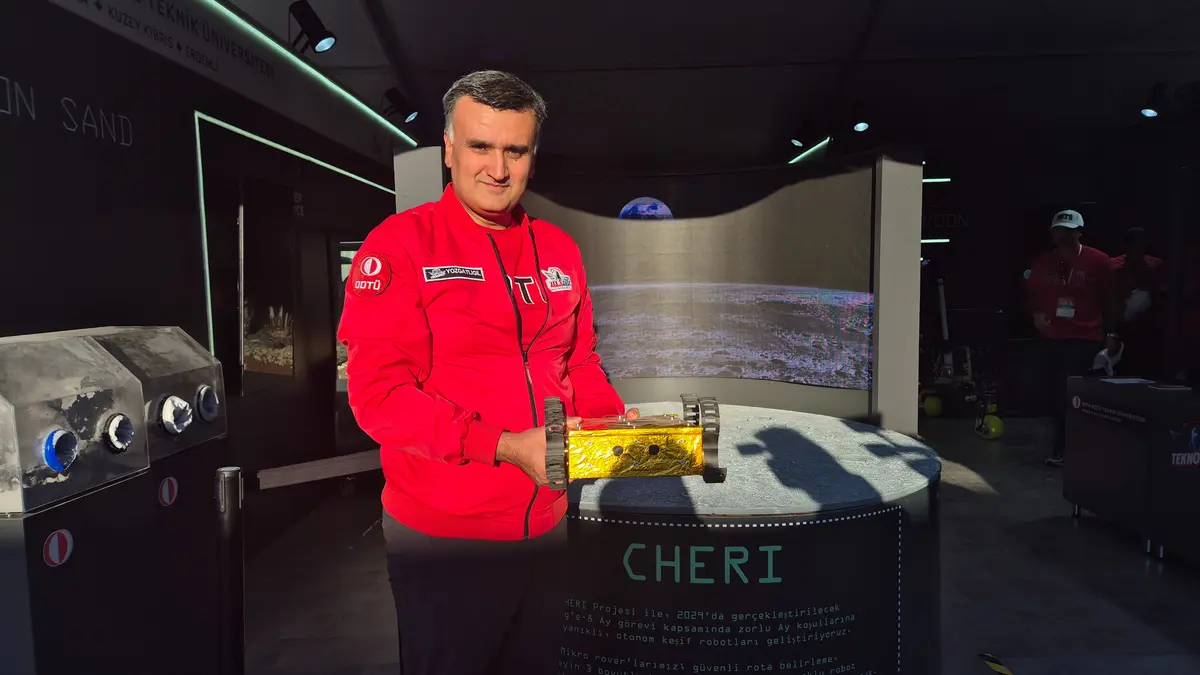
Rovers Target the Challenging Lunar South Pole
The operational scope for the CHERI vehicles centers on the Moon’s South Pole, a region notorious for extreme temperature fluctuations and limited sunlight exposure. These environmental constraints present significant engineering hurdles for robotic exploration, requiring robust thermal and power management systems. By operating as a coordinated pair, the autonomous rovers aim to overcome these obstacles through synchronized movement and data gathering. This dual-unit approach allows for a broader survey area, enabling the mission to map the lunar terrain with greater efficiency than a single-unit design would permit.
Scientific Payloads Enable Remote Analysis
The primary objectives of the CHERI mission include conducting high-resolution topographic surveys and remotely assessing lunar geological samples. By utilizing advanced remote sensing equipment, the rovers will analyze the composition of rocks and map uncharted territories. Beyond scientific data collection, the vehicles will perform periodic self-imaging tasks, a feature jokingly referred to by Rector Yozgatlıgil as the ability to send “selfies” from the lunar surface. This data will be instrumental in understanding the geological history and resource potential of the South Pole region.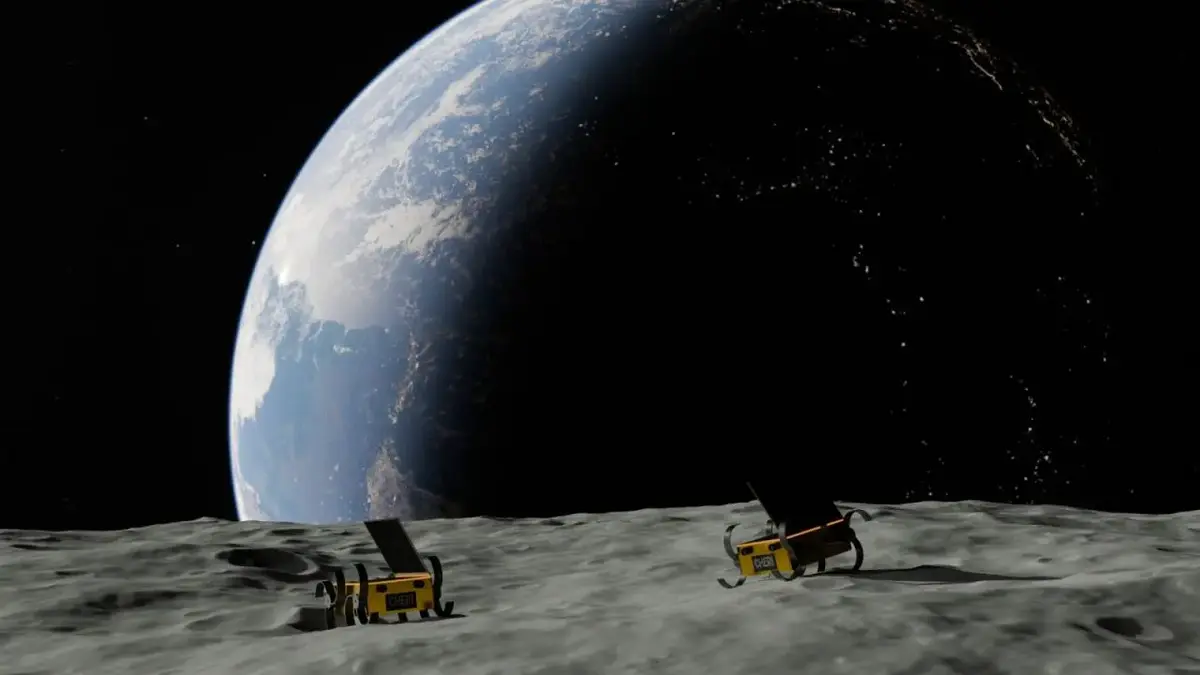
AI and Autonomy Define Mission Capabilities
A cornerstone of the CHERI project is the implementation of artificial intelligence to facilitate autonomous navigation. By reducing reliance on constant communication with terrestrial control centers, the rovers can make real-time decisions while navigating hazardous lunar terrain. While specific technical details such as top speed, battery endurance, and exact sensor specifications remain confidential, the development process aligns with METU’s broader strategic goals in space technology. The university is simultaneously advancing other initiatives, such as the EU-supported Go Space project, which focuses on developing communication protocols between orbiting platforms and surface systems.
International Milestones Determine Future Success
As the project transitions from the prototype phase to full-scale flight readiness, the focus shifts toward comprehensive environmental testing. The successful completion of these trials, combined with the continued strength of the international partnership with Chinese space agencies, will be the decisive factors in meeting the 2030 launch window. Although the specific launch vehicle and the logistics of the lunar landing are yet to be disclosed, METU’s involvement marks a pivotal step in Turkey’s contribution to international space exploration efforts.
What are your thoughts on the potential for autonomous micro-rovers to revolutionize our understanding of the lunar South Pole? Share your perspectives on the future of lunar exploration in the comments section below.
Your comment has been submitted,
it will be published after approval.