
Google Unveils Fitbit Edge to Bridge Wearable Tech Gaps

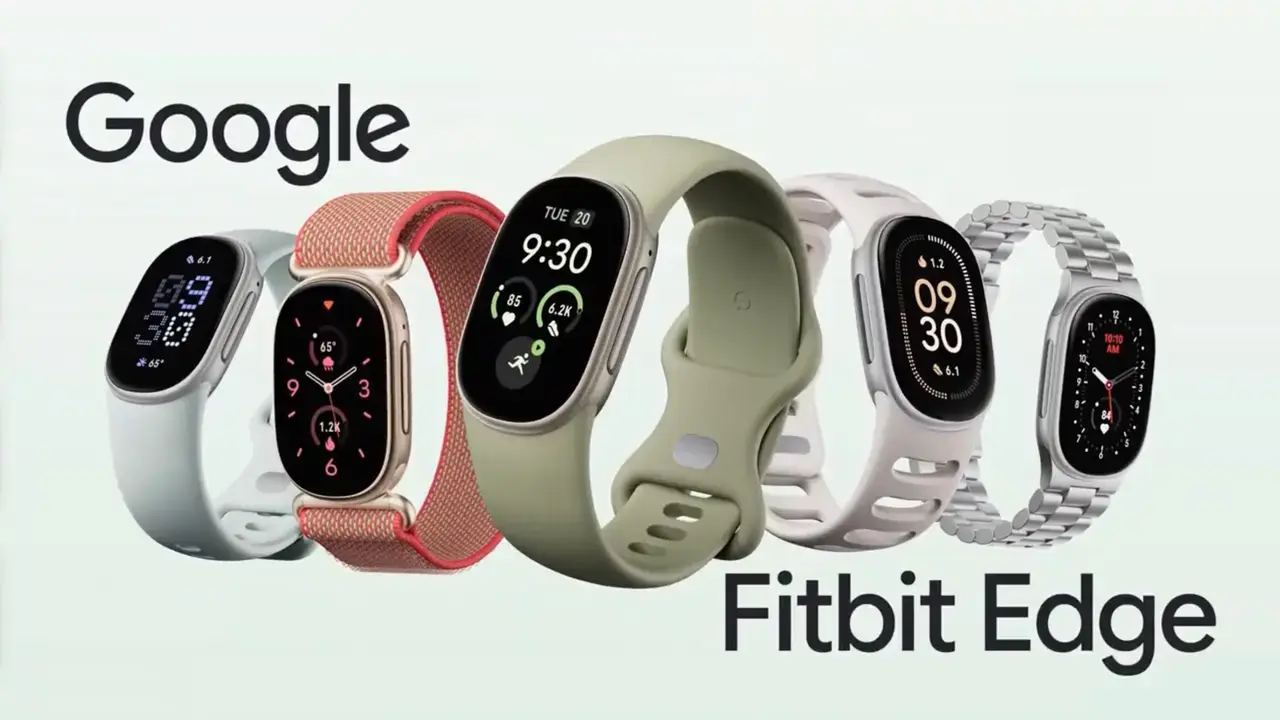
Google has officially introduced the Fitbit Edge, a strategic addition to its wearable technology portfolio designed to bridge the gap between entry-level trackers and premium smartwatches. Unveiled today, this new device aims to capture a broader market segment by offering advanced functionality that surpasses even the current Pixel Watch 5 in specific areas. The Fitbit Edge is specifically engineered to improve cross-platform compatibility, providing iPhone users with a seamless integration experience that has previously been absent in Google’s proprietary hardware. By balancing sophisticated health tracking with a sleek design, Google intends to expand its reach among both fitness enthusiasts and everyday users worldwide.
- The Fitbit Edge serves as a strategic middle-ground device between basic trackers and high-end smartwatches.
- The device features enhanced synchronization capabilities specifically designed for iPhone users.
- Google aims to increase its global wearable technology market share through improved cross-platform compatibility.
- Optimized power management allows the device to offer superior battery life compared to existing flagship models.
Fitbit Edge Successfully Bridges the Segment Divide
For years, consumers in the wearable market have faced a difficult choice between simplistic activity trackers and complex, power-hungry smartwatches. With the launch of the Fitbit Edge, Google is effectively eliminating this dilemma. The device successfully retains the lightweight, minimalist aesthetic of the Fitbit Air while incorporating advanced sensors and processing capabilities. This unique market positioning allows users to benefit from professional-grade data monitoring without sacrificing the comfort of a streamlined wearable.
The design philosophy behind the Fitbit Edge emphasizes versatility, ensuring the hardware remains unobtrusive during exercise while maintaining an elegant look suitable for formal environments. Google’s engineering team has prioritized durability and ergonomics, which are expected to be key drivers in the device’s adoption across diverse user demographics.
iPhone Integration Capabilities Expand Significantly
While the Pixel Watch series has historically prioritized the Android ecosystem, the Fitbit Edge shifts this strategy by offering robust support for iOS devices. Users can now enjoy a fluid synchronization process with Apple Health, a feature that provides greater flexibility than current high-end alternatives. By facilitating this connection, Google is actively inviting competitive platform users to experience its health ecosystem.
Furthermore, the Fitbit Edge maintains stable performance regarding notification management and third-party application compatibility on iPhones. Users can manage calls, view messages, and utilize comprehensive sleep analysis tools without the restrictions typically encountered on cross-platform wearables. This development signifies a major transition in Google’s approach to hardware, moving toward a more inclusive, platform-agnostic strategy.
Pixel Watch Limitations are Addressed by the New Model
Despite the high performance of the Pixel Watch 5, the series has faced criticism regarding battery longevity and software efficiency. The Fitbit Edge effectively mitigates these concerns through the implementation of low-power display technology and a highly optimized operating system. By reducing the frequency of required charging, the device significantly improves the overall user experience for those with demanding daily schedules.
Additionally, the core Fitbit health algorithms have been refined to operate more efficiently on this new hardware. Features such as heart rate monitoring, stress management, and blood oxygen tracking are presented through a simplified user interface. This reduction in software complexity ensures that essential health data remains accessible to users who prefer a straightforward, functional approach to their personal wellness metrics.
Competitive Dynamics Shift in the Wearable Industry
Google’s latest hardware launch demonstrates a clear intent to disrupt the status quo in the wearable technology sector. By positioning the Fitbit Edge as a highly compatible and user-centric alternative to offerings from Apple and Samsung, Google is reinforcing its commitment to its broader vision of technology for all. As the industry evolves, the success of this hybrid model may signal a permanent shift in how manufacturers prioritize cross-platform functionality in future product lineups.
Do you believe that the improved integration and specialized features of the Fitbit Edge will encourage more iPhone users to switch away from Apple Watch, or is the ecosystem loyalty too strong? Share your thoughts and predictions in the comments below.
Your comment has been submitted,
it will be published after approval.