
HelixSR Mod Brings DLSS 3.7 Support to Steam Deck

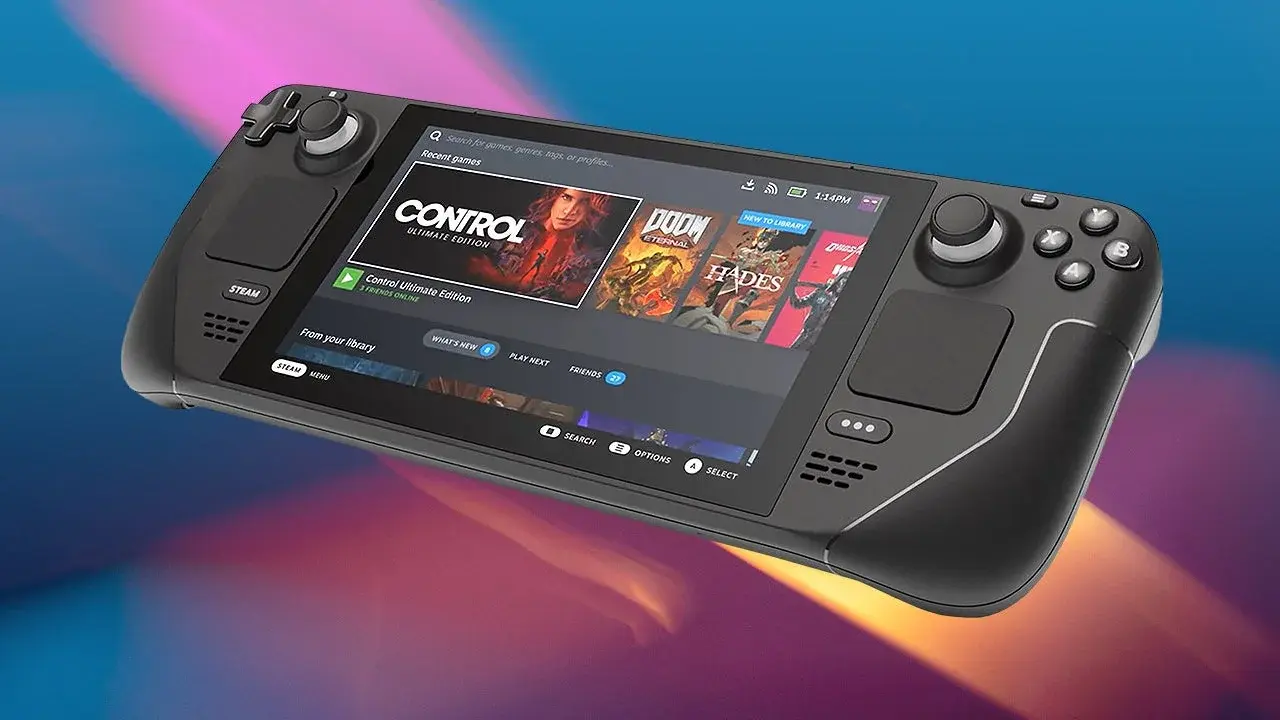
A groundbreaking new software modification called HelixSR, released by developer lonewolf0622, is officially bringing NVIDIA’s sophisticated DLSS 3.7 upscaling technology to the Steam Deck and various other AMD-powered handheld gaming devices. By bypassing the need for specialized hardware or proprietary NVIDIA drivers, this project allows users to utilize neural network-based upscaling directly on their portable systems. The mod is fully compatible with the Linux-based Proton environment, providing a significant boost to visual fidelity and frame rates for players seeking peak performance on their mobile rigs without requiring high-end hardware upgrades.
- The HelixSR mod executes DLSS 3.7 technology on AMD GPUs via DirectX 12 compute shaders.
- Performance benchmarking indicates that the modification operates more efficiently than FSR 4 in specific scenarios.
- The software functions independently without requiring NVIDIA drivers, CUDA, or ROCm support.
- Implementation of the mod improves image quality and extends the utility of RDNA 2-based devices.
Handheld Gaming Standards are Being Redefined by Advanced Upscaling
The landscape of handheld gaming is undergoing a major shift as community-driven mods bridge the gap between hardware generations. While AMD officially restricts its FSR 4 technology to the latest RDNA 4 architecture, the HelixSR mod empowers users of older devices like the Steam Deck to access superior upscaling capabilities. By leveraging a convolutional neural network (CNN) model, the software optimizes system resources, making it a highly effective solution for consoles with limited thermal and power envelopes.
Early performance reports highlight the technical efficacy of this approach. During tests conducted at 800p resolution, HelixSR demonstrated a latency of approximately 3.5 ms, whereas FSR 4 registered at 4.5 ms. This reduction in latency is particularly beneficial for competitive titles where frame-to-frame responsiveness is critical. Furthermore, users have reported a significant reduction in visual artifacts, such as ghosting, which previously plagued various games on handheld hardware. By stabilizing the image output, this mod ensures a more consistent and immersive experience for players.
Development Efforts are Moving Forward Rapidly
Since its public debut, the HelixSR project has seen consistent updates to improve its stability and ease of use. The developer has introduced an automated, one-click installer to lower the barrier to entry, alongside the integration of QSSM, a sub-mod designed to refine edge anti-aliasing. Furthermore, early issues regarding blurriness on RDNA 3-based Windows devices have been addressed through rapid hotfixes, demonstrating a proactive approach to maintaining the software’s performance across diverse hardware configurations.
Despite these advancements, the project faces current technical limitations. The mod is exclusively compatible with Direct3D 12 titles, meaning Vulkan-based games remain unsupported for now. While users might need to rely on alternative tools like OptiScaler for those specific titles, the overall impact of HelixSR remains profound. As the community continues to refine the code, it offers a vital lifeline for existing handheld devices, allowing them to maintain high-quality gaming standards while waiting for the next generation of portable hardware to arrive.
How do you feel about the role of community-led modifications in extending the lifespan of your gaming hardware? Would you feel comfortable installing third-party upscaling tools on your Steam Deck, or do you prefer sticking to official support? Share your thoughts and experiences with the HelixSR mod in the comments section below.
Your comment has been submitted,
it will be published after approval.