
Google Unveils Fitbit Edge with Swappable Battery Design

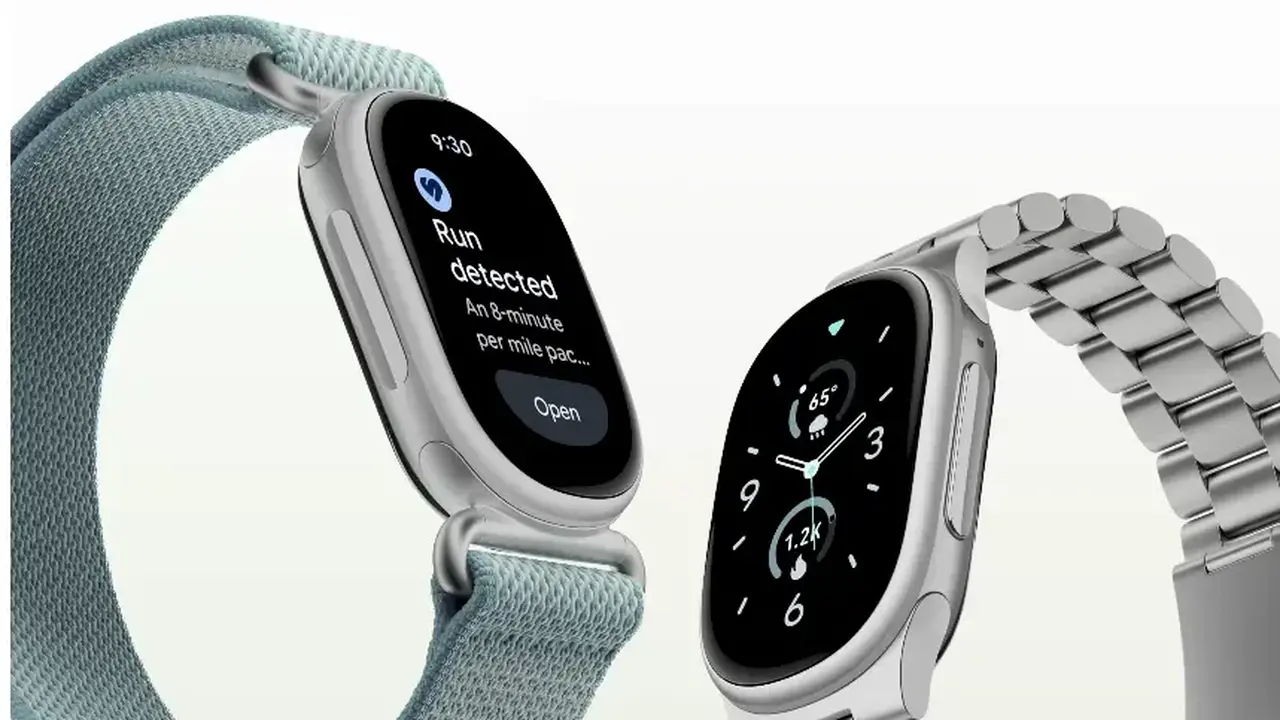
On October 12, Google officially introduced the Fitbit Edge, a brand-new fitness tracker that bridges the gap between the screenless Fitbit Air and the more advanced Pixel Watch 5. Designed for users who desire a dedicated display without the bulk of a full-fledged smartwatch, the device made its debut following a series of leaks last week. With a competitive price point of 179.99 dollars and a focus on essential health tracking, the Fitbit Edge aims to redefine the middle ground of the wearable market by offering a unique, user-replaceable battery system alongside seven-day longevity.
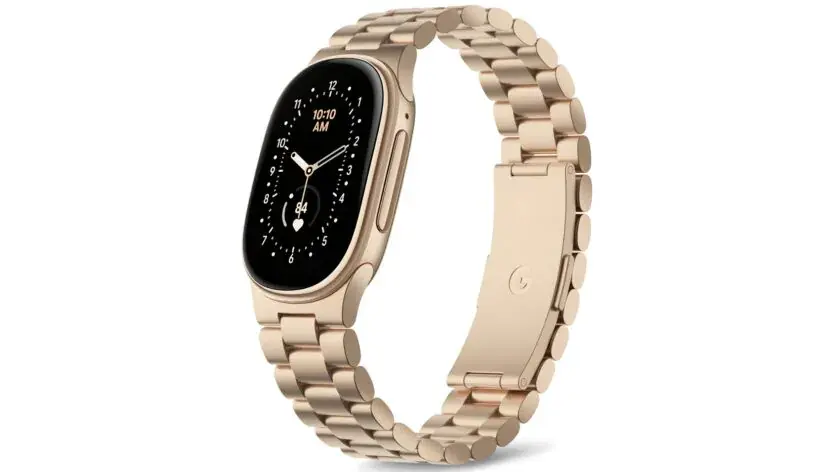
- The Fitbit Edge features a unique user-replaceable battery design that extends the device’s operational lifespan.
- Google offers a seven-day battery life with rapid charging capabilities reaching full capacity in 90 minutes.
- The device incorporates comprehensive health sensors including ECG, blood oxygen tracking, and skin temperature monitoring.
- Retail sales for the new tracker are scheduled to commence on October 27 with a starting price of 179.99 dollars.
Design Features Offer Enhanced Durability
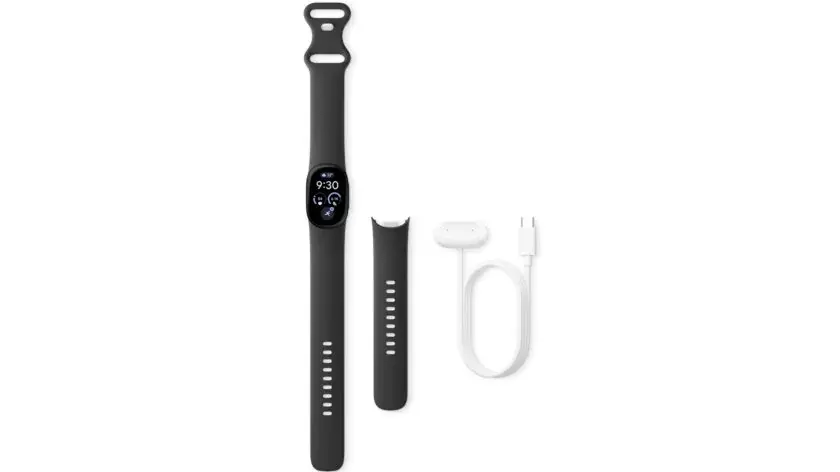
The Fitbit Edge retains the elongated profile characteristic of the Charge series but adopts a more premium aesthetic with a curved aluminum casing. Measuring 11.5 mm in thickness, it remains slightly slimmer than the Pixel Watch 5. The device utilizes an OLED display protected by Gorilla Glass 3, which provides a 46 percent larger viewing area compared to the Charge 6. Notably, Google has replaced the previous touch-sensitive button with a tactile physical button, improving user feedback during navigation. Furthermore, the tracker includes a revised strap attachment system, meaning older accessories are not compatible with this new model.
Battery Innovation Redefines Longevity
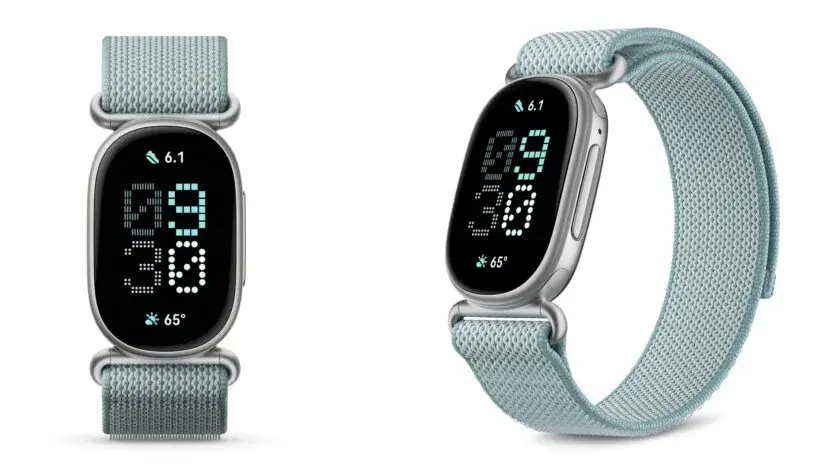
A standout feature of the Fitbit Edge is its status as the first Fitbit device to implement a modular, user-replaceable battery. This design choice addresses long-term maintenance concerns for fitness enthusiasts. The device is rated for up to seven days of use on a single charge. For quick power boosts, a five-minute charge provides sufficient energy for an entire day, while a full charge cycle takes approximately 90 minutes. This efficient power management ensures that users spend less time tethered to a charger while maintaining continuous health monitoring.
Health Sensors Provide Extensive Data
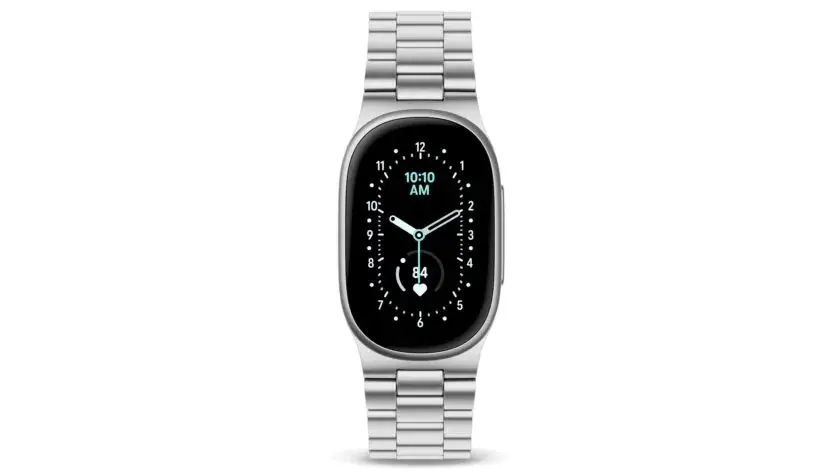
Equipped with an array of advanced sensors, the Fitbit Edge allows for the monitoring of ECG, blood oxygen levels, heart rate variability, and skin temperature. For fitness tracking, the device includes an altimeter and built-in GPS, although it lacks dual-frequency support. The tracker operates on an updated Fitbit OS, which features a tile-based interface familiar to Pixel Watch users. While it excels in health metrics, the device omits certain features such as NFC for contactless payments and built-in microphones or speakers. It remains compatible with both Android and iOS, though quick replies to messages are exclusive to the Android platform.
Market Availability Includes Special Editions
The Fitbit Edge is available for pre-order starting October 12 in four colors: Obsidian, Olive, Canyon, and Fog. In addition to the standard model, Google is offering a Stephen Curry special edition priced at 219.99 dollars. As the company prepares for the official market launch on October 27, the focus remains on users who prioritize battery life and consistent health tracking over complex smartwatch applications.
We would love to hear your thoughts on the new design choices Google has made for this device. Does the inclusion of a swappable battery change your perspective on long-term wearable ownership, or are you missing the presence of features like NFC? Please share your opinions in the comments section below.
Your comment has been submitted,
it will be published after approval.