
Spain Plans to Expand HÜRJET Fleet to 45 Aircraft

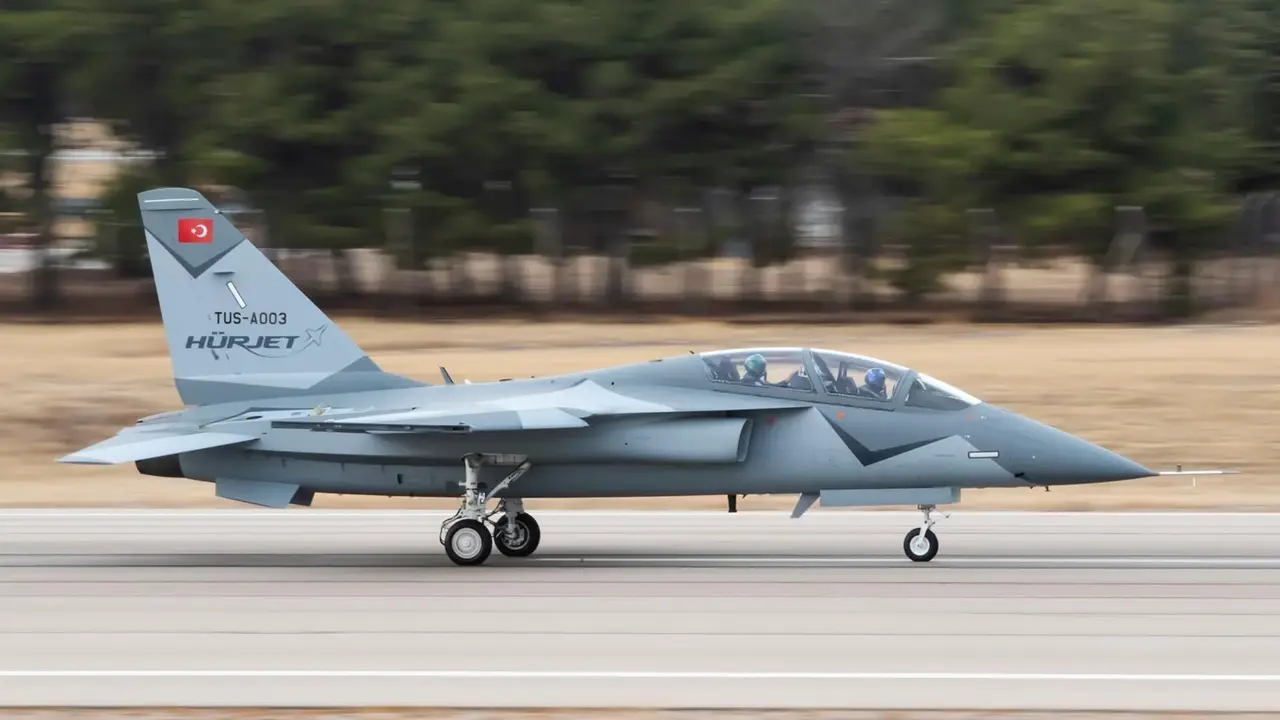
Turkish Aerospace Industries (TUSAŞ) General Manager Mehmet Demiroğlu recently revealed that Spain is considering increasing its total order for the HÜRJET advanced jet trainer to 45 aircraft. During the “Mavi Vatandan Gök Vatana Millî Teknoloji Hamlesi” program held in Kastamonu, Demiroğlu confirmed that while the initial contract signed between the parties covers 30 units, Spain is actively planning to procure an additional 15 aircraft. This significant development highlights the growing confidence in the Turkish-made HÜRJET as a pivotal component of the Spanish Air Force’s future pilot training modernization efforts, with deliveries currently targeted to commence around 2028.
- Spain intends to increase its total HÜRJET procurement from 30 to 45 aircraft.
- The HÜRJET platform will replace the aging F-5 fleet in the Spanish pilot training program.
- Deliveries for the initial contract are scheduled to begin between 2028 and 2029.
- The procurement process integrates simulators, maintenance support, and local industrial participation.
HÜRJET Replaces Aging F-5 Training Aircraft
The selection of the HÜRJET by Spain serves as a cornerstone for replacing the nation’s legacy F-5 fleet, which has long been the backbone of advanced pilot training for the Spanish Air Force. This strategic program extends beyond the simple purchase of airframes; it encompasses a comprehensive ecosystem that includes high-fidelity simulators, advanced training infrastructure, and long-term maintenance support. By involving Spanish industrial partners in the adaptation and certification phases, the program ensures that the aircraft meets the specific operational requirements of the Spanish military.
The project is currently managed under the coordination of Airbus Defence and Space, with TUSAŞ serving as the primary manufacturer. According to the deployment roadmap, the initial batch of 30 aircraft will undergo rigorous certification within Spain upon delivery. Following this, the program enters a complex transformation phase where the aircraft will be modified to integrate seamlessly with existing Spanish defense systems. The final delivery phase is expected to span from 2031 to 2035, ensuring a smooth transition between the retiring legacy fleet and the new Turkish-designed trainers.
The Scope of Export Programs Continues to Expand
The potential expansion of the order to 45 units underscores the strategic importance of the HÜRJET in the global defense market. If Spain finalizes the purchase of the additional 15 units, it would signal a deeper integration of the platform into European pilot training standards. The ability to offer a complete package that includes pilot training, local industrial participation, and advanced maintenance, rather than just the aircraft itself, has made the TUSAŞ offering highly competitive on the international stage.
The HÜRJET was originally conceived to meet the Turkish Air Force’s requirements for advanced jet training and light attack capabilities. However, its modular design and the comprehensive support package offered to Spain have allowed it to transcend its original operational scope. While the initial 30-aircraft agreement remains the current legal baseline, the ongoing discussions regarding the additional units suggest that the collaboration between Turkey and Spain could evolve into a long-term partnership in aeronautical technology. TUSAŞ continues to focus on meeting the production milestones for 2028 while remaining open to formalizing the additional request through new contractual frameworks as the project progresses.
How do you view the potential impact of the HÜRJET on European pilot training standards, and do you believe this partnership signals a new era for Turkish aerospace exports? Share your thoughts in the comments below.
Your comment has been submitted,
it will be published after approval.