
OPPO Unveils ColorOS 17 Featuring Advanced AI and Performance

OPPO has officially introduced ColorOS 17, its latest Android-based operating system, designed to redefine user experience through significant performance optimizations and cutting-edge artificial intelligence integration. Set to debut globally on October 21 with the highly anticipated Find X10 series, this software update focuses on delivering a more fluid and efficient interface for smartphone users worldwide. By leveraging advanced AI-powered tools and technical engine improvements, the company aims to streamline daily tasks while enhancing system stability. This release represents a major step forward in the brand’s effort to provide a more intuitive and responsive environment for its diverse range of mobile devices.
- The ColorOS 17 update improves system efficiency by reducing resource consumption and accelerating application loading times.
- New AI Mind tools enable advanced task automation such as file organization and complex document management.
- OPPO has established a comprehensive rollout schedule covering a wide range of devices through 2027.
- Enhanced security features include AI-driven detection systems to identify synthetic audio and video for fraud prevention.
Visual Design Elements Undergo Refinement
ColorOS 17 continues the evolution of the brand’s aesthetic language, emphasizing transparency and depth. Drawing inspiration from modern design trends like Liquid Glass, the interface features delicate translucency that creates a premium feel. 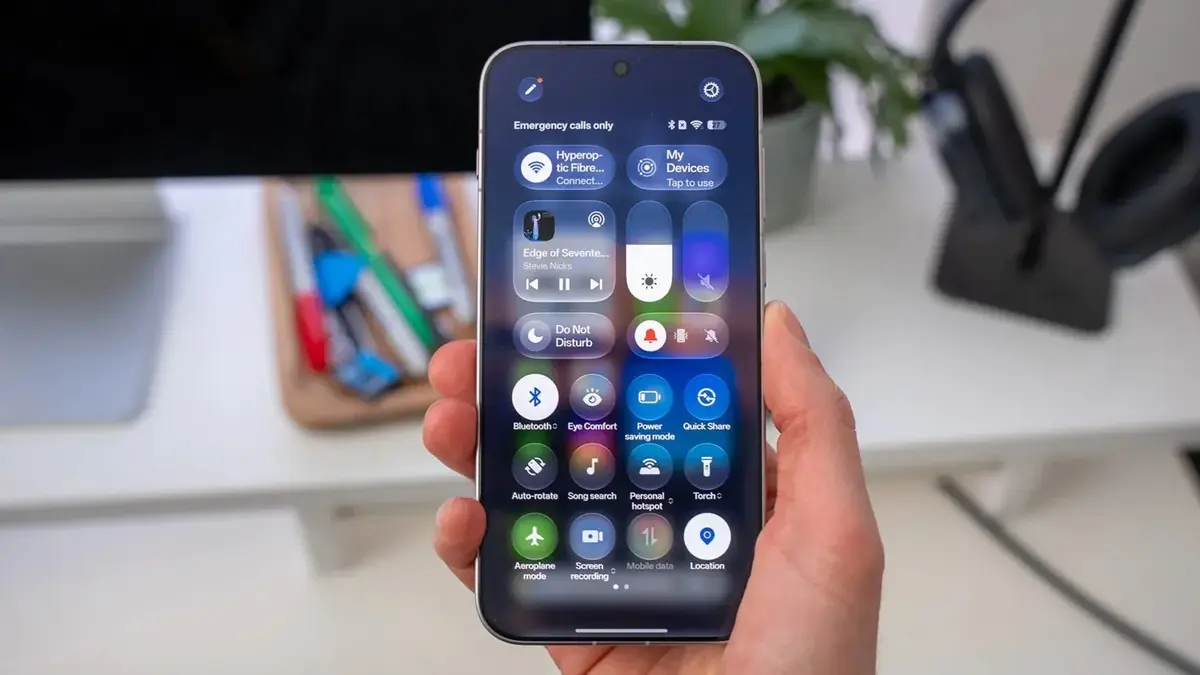 The implementation of the Living Flow Design ensures that system animations, such as those within the control center and notification panels, appear more natural and fluid. These design choices aim to make user interaction feel more responsive and visually satisfying, providing a cohesive look across the entire operating system.
Performance Engines Boost System Speed
Efficiency remains a primary pillar of the new software release. OPPO has introduced the Luminous Rendering Engine, which reportedly lowers resource consumption by 30% compared to previous iterations. 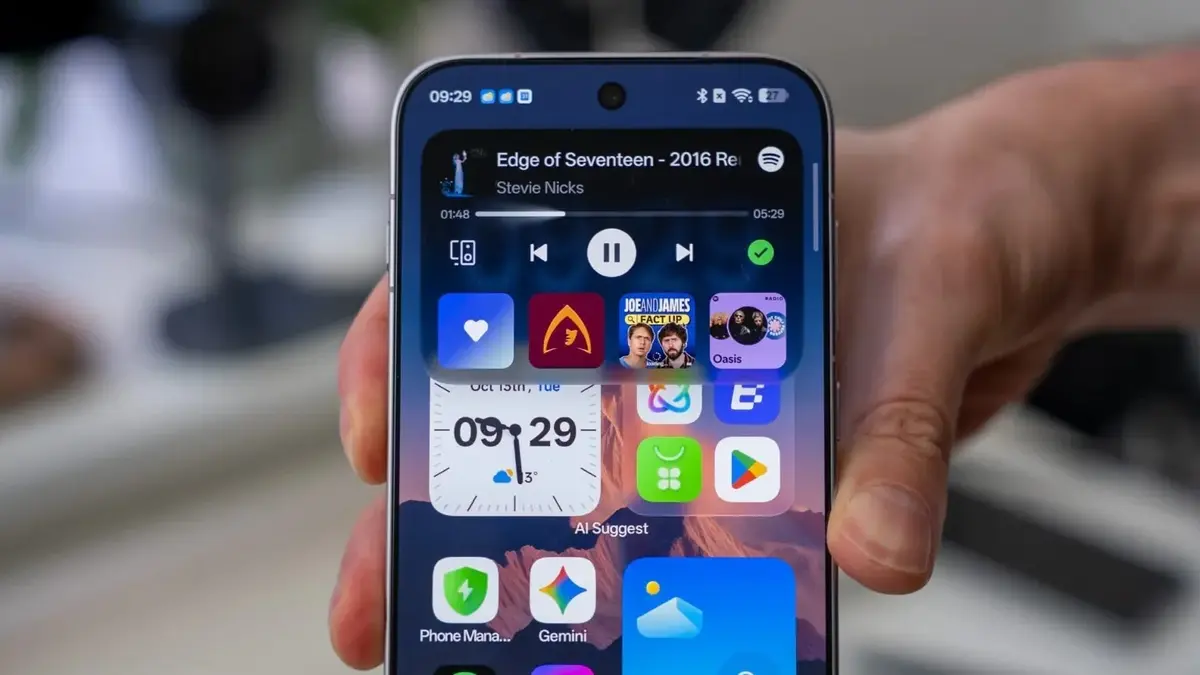 Complementing this, the Laminar Flow Engine optimizes RAM usage and slashes application preview loading times by 50%. These technical enhancements allow for better background process management, ensuring that users can toggle between multiple demanding applications without experiencing performance degradation or lag.
AI Capabilities Expand User Productivity
At the heart of the new software, AI Mind represents a significant leap in functional artificial intelligence. This suite includes agents capable of managing local files, categorizing media based on event metadata, and even assisting with complex tasks like flight bookings. 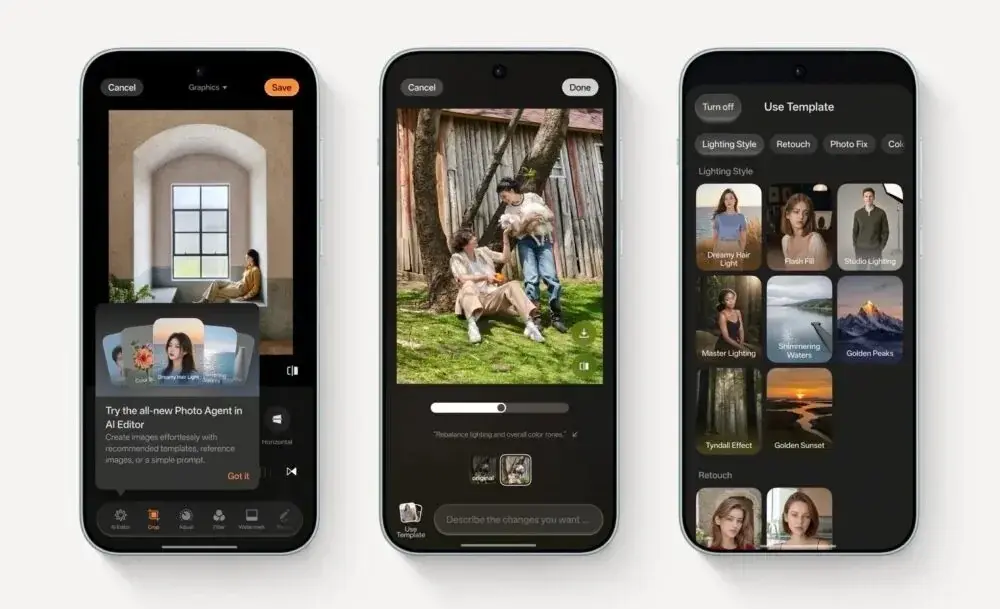 While these agents can interface with third-party models from OpenAI and Manus via API for specific tasks, privacy is prioritized by performing the majority of data indexing directly on the device. Users must provide explicit authorization for any information shared over the internet.
Security Tools Combat Emerging Threats
As synthetic media technology advances, OPPO is responding with proactive security measures. The AI Call Guard feature is designed to identify AI-generated voices and faces in real-time, helping users avoid potential scams during voice or video calls. 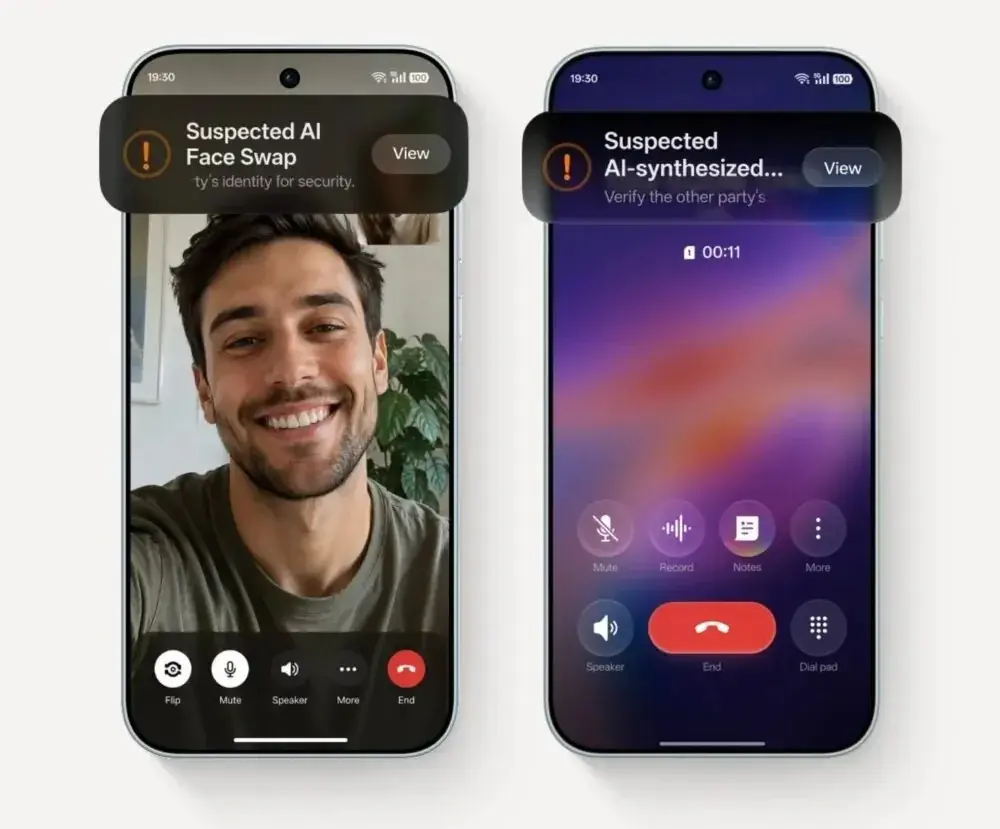 This tool serves as a critical shield against increasingly sophisticated impersonation attempts, further cementing the brand’s commitment to user safety and digital privacy in an era of evolving cyber threats.
Rollout Plans Cover Extensive Device Range
The global rollout begins with the Find X10 series, followed by a phased release for existing models. Devices such as the Find N6, Find X9 series, and Reno 16 series are scheduled to receive the update before the end of October 2026. The distribution will continue throughout 2026 and into early 2027, eventually reaching the F-series and various tablet models. Beta programs remain available for those eager to test these new features ahead of the official stable release.
With these major updates to the operating system, we are curious about your perspective on the role of artificial intelligence in mobile devices. Do you believe these new AI tools will genuinely simplify your daily workflow, or are you more focused on the performance upgrades? Share your thoughts in the comments section below.
Your comment has been submitted,
it will be published after approval.