
Ateş Serbest-2026 Exercise Successfully Demonstrates TSK’s Advanced Firepower


The Turkish Armed Forces (TSK) officially concluded the Ateş Serbest-2026 exercise on October 13, showcasing the integration and lethality of modern military systems. Held at the General Nahit Şenoğul Firing and Exercise Area in Polatlı, Ankara, the Distinguished Observer Day was attended by high-ranking officials, including Minister of National Defense Yaşar Güler and various Force Commanders, alongside international guests from Azerbaijan and Qatar. The primary objective of the drill was to evaluate the coordination between different branches, test the impact of weapon systems on targets, and enhance the operational proficiency of personnel across the land, sea, and air commands. 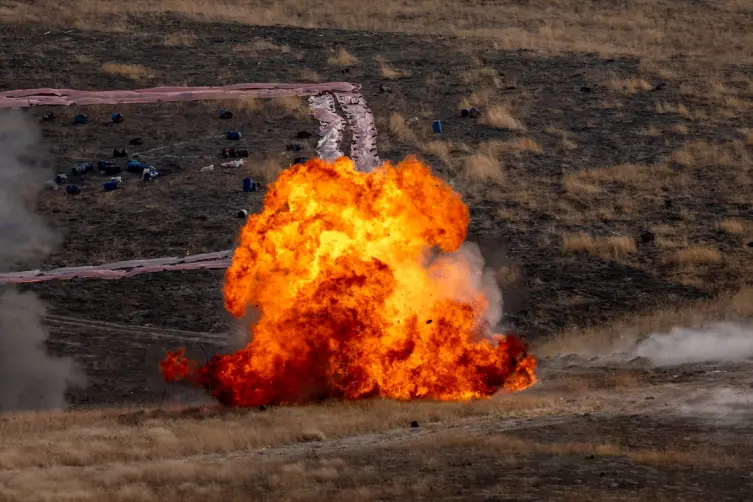
- The Ateş Serbest-2026 exercise finalized its activities on October 13 with a comprehensive demonstration of 104 different weapon systems.
- Modern unmanned platforms including Bayraktar TB2 and AKINCI conducted precision strikes with indigenous munitions like Kemankeş, TEBER, and TOLUN.
- The exercise featured 53 new training scenarios that integrated AI-supported systems, drone swarms, and electronic warfare countermeasures.
Unmanned Aerial Vehicles Execute Precision Strikes
A significant portion of the exercise focused on the tactical usage of unmanned aerial vehicles (UAVs) and smart munitions. The Bayraktar TB2 successfully engaged targets using the Kemankeş missile, while the Bayraktar AKINCI conducted strikes from various altitudes using TEBER and TOLUN munitions. These demonstrations highlighted the versatility and high precision of Turkey’s domestic drone technology. 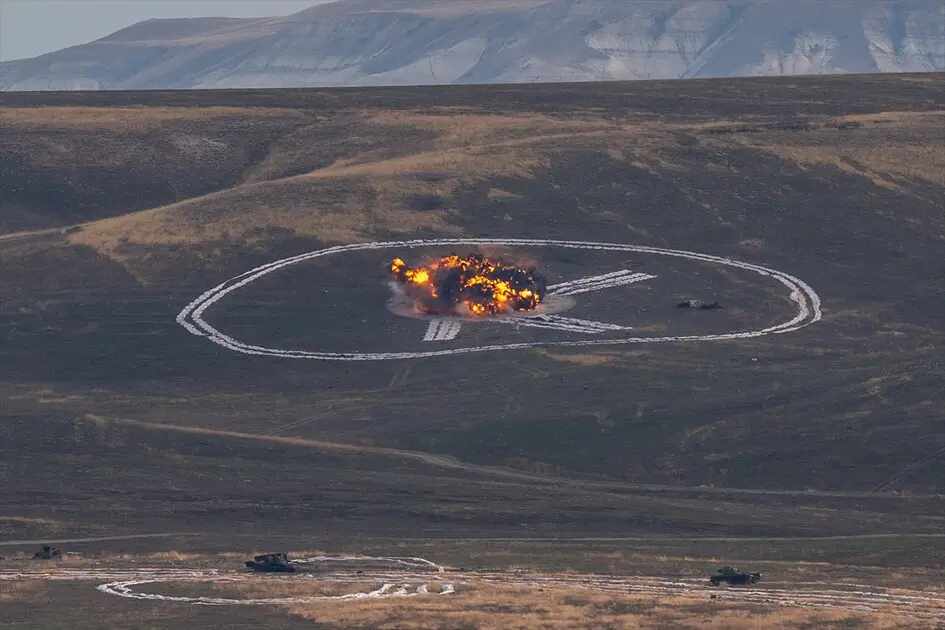 Furthermore, the deployment of kamikaze drone swarms, including SİVRİSİNEK and KARGU systems, showcased advanced autonomous coordination where multiple units identified and engaged targets simultaneously under single-operator control.
Artillery Units Enhance Integrated Firepower Capabilities
The land component of the exercise featured T-155 Fırtına howitzers and 105 mm BORAN lightweight towed howitzers. These systems were utilized in coordination with mortar units to demonstrate effective fire support. The drill also included manual resupply operations for BORAN howitzers, emphasizing logistics in active combat environments. 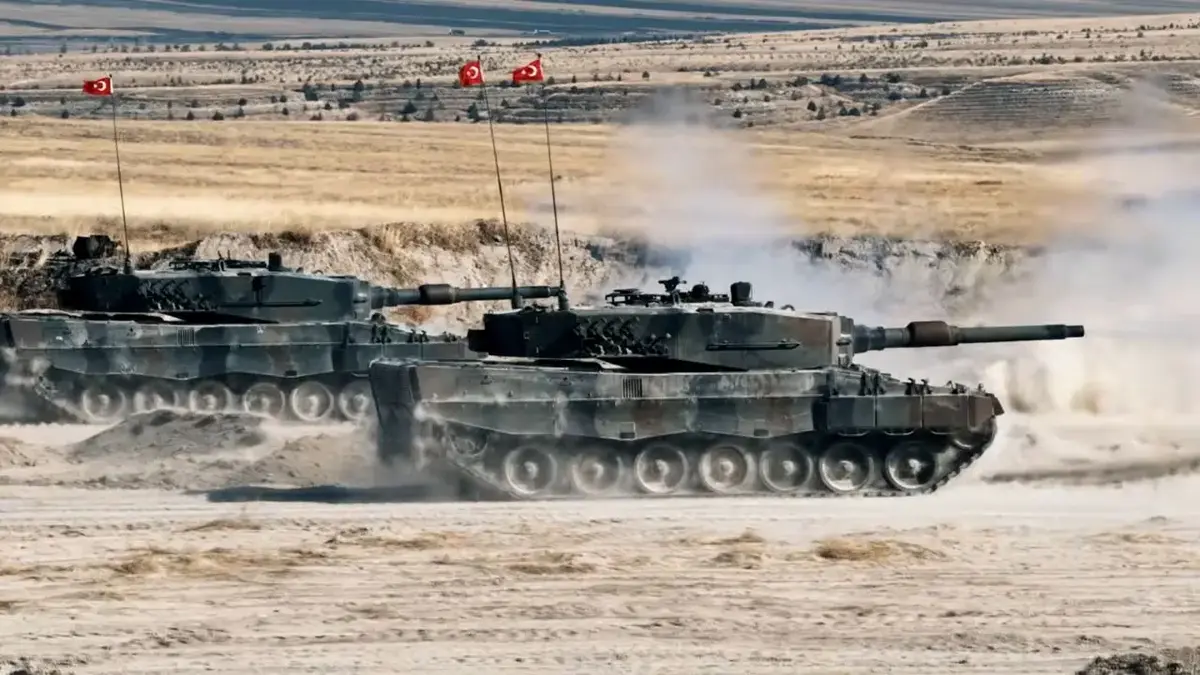 Concurrently, expert sniper teams demonstrated long-range accuracy using indigenous KNT-76, Bora-12, and KN-12 rifles, successfully hitting targets at distances ranging from 600 meters to one kilometer.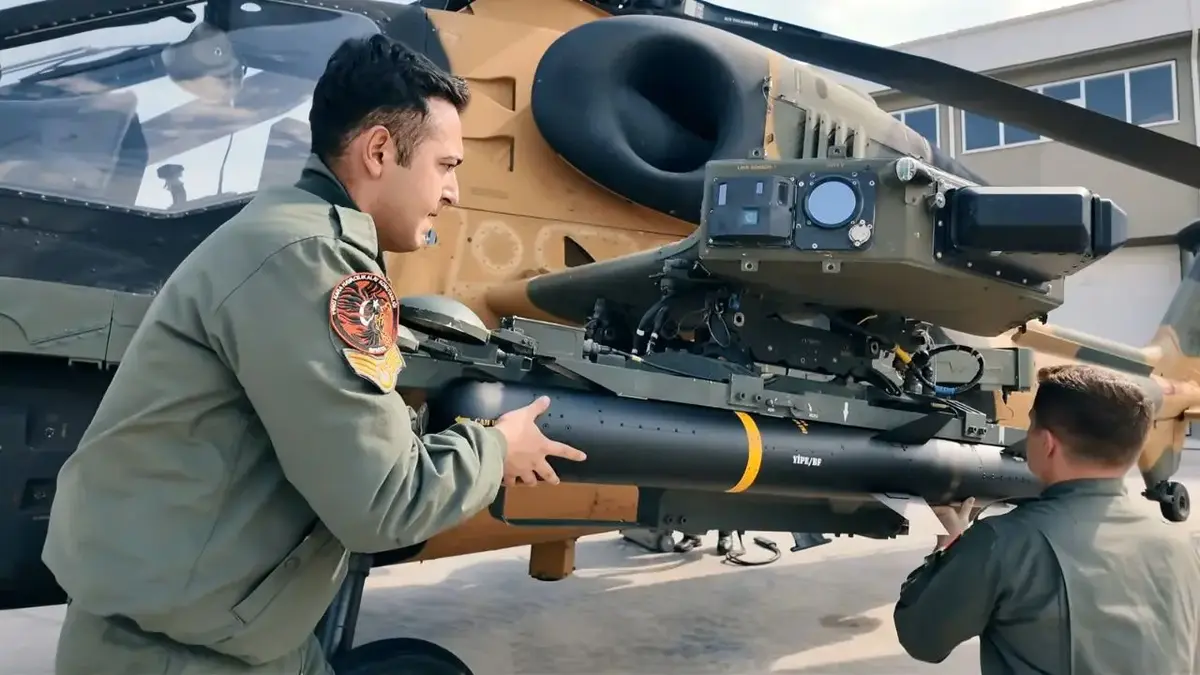
Air Platforms Provide Strategic Tactical Support
Aerial assets played a crucial role in supporting ground maneuvers, with T-129 ATAK helicopters conducting operations against simulated drone threats. Two F-16 fighter jets performed close air support and reconnaissance missions to ensure seamless coordination with ground units. 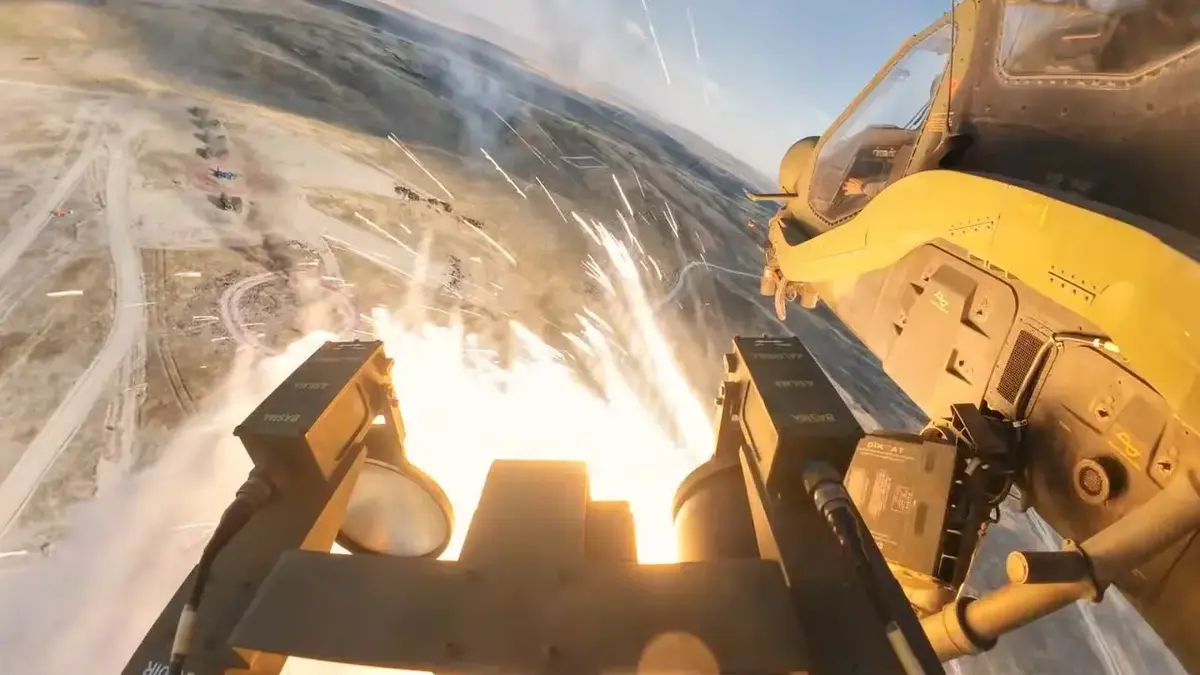 Additionally, heavy-lift CH-47 Chinook helicopters were utilized for the rapid insertion of commandos, illustrating the military’s capability to operate effectively across challenging terrains. The inclusion of motorcycle-mounted teams and paramotor units further demonstrated the versatility of TSK personnel.
Defense Systems Counter Modern Electronic Threats
The TSK tested its latest technological solutions against emerging aerial threats, utilizing systems such as TOLGA, GÖKBERK, ALKA, and EJDERHA to neutralize incoming drones. These systems employ various methods, including electronic jamming and directed energy, to safeguard against low-altitude threats. 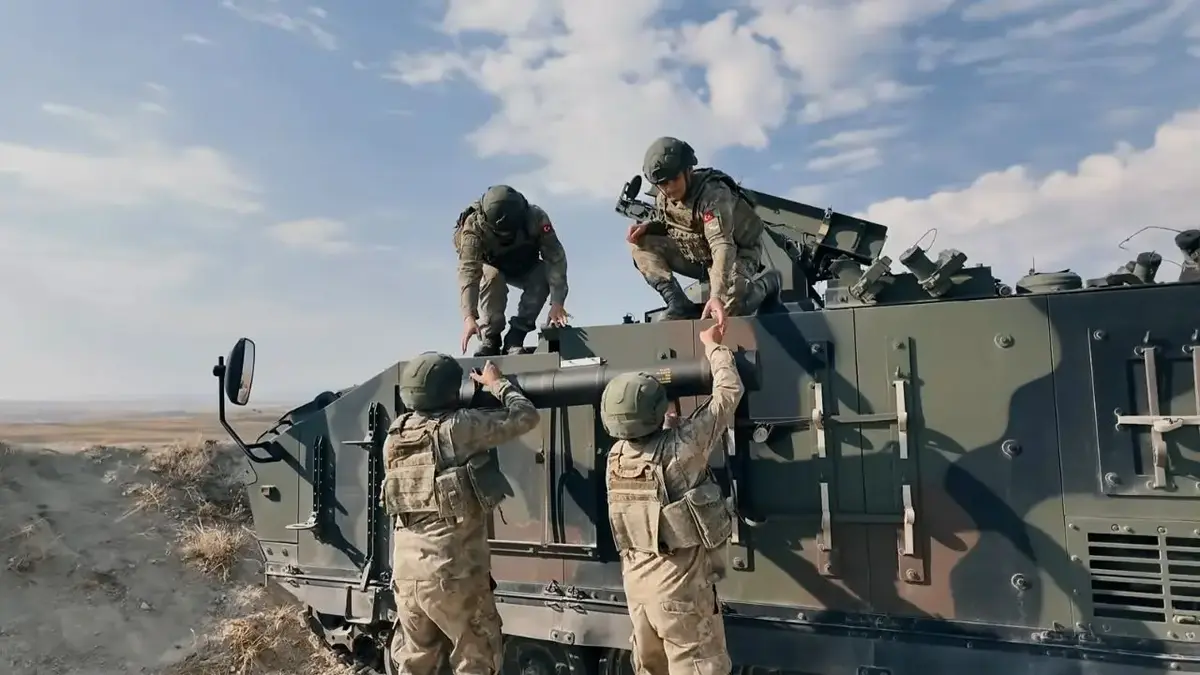 The integration of AI-assisted “flying eyes” for autonomous fogging demonstrated advanced concealment techniques for moving troops. Additionally, HAVELSAN’s BARKAN unmanned ground vehicle performed live fire exercises with a remote-controlled weapon system, proving its utility in multi-role battlefield scenarios.
The Ateş Serbest-2026 exercise highlights the rapid modernization and digital transformation of the Turkish Armed Forces. We invite you to share your thoughts on which of these showcased technologies you find most critical for the future of modern warfare in the comments section below.
Your comment has been submitted,
it will be published after approval.