
Digital Transformation in Healthcare Streamlines Patient Management Processes


Digital transformation in healthcare is fundamentally reshaping how clinics handle patient communication and appointment scheduling through advanced automation technologies. By integrating systematic administrative processes, medical facilities are increasingly moving away from manual tracking methods that often lead to operational inefficiencies. In 2024, clinics are adopting robust CRM systems and automated workflows to manage high patient traffic, ensuring that inquiries, follow-ups, and scheduling tasks are handled with precision. This shift is critical for healthcare providers looking to optimize daily operations while maintaining a high standard of service and minimizing the risk of administrative errors in patient coordination.
- Automated CRM systems reduce the administrative workload by centralizing patient inquiries and scheduling tasks.
- Digital platforms enable clinics to assign specific tasks to staff members and monitor completion timelines effectively.
- Integration between scheduling tools and hospital management systems ensures accurate real-time data synchronization.
- Healthcare providers must prioritize data security and compliance with personal data protection laws during digital transitions.
Why Digitalization is Essential for Health Institutions
Modern medical facilities manage a complex array of administrative responsibilities alongside clinical duties. When tasks such as responding to information requests or coordinating internal team activities are performed manually, staff members often face significant time constraints. Digital tools facilitate a unified operational environment where incoming web forms are automatically routed to the correct departments. This prevents the loss of critical information and ensures that every patient inquiry receives timely attention based on predefined organizational protocols.
Patient Communication Improves Through Automation
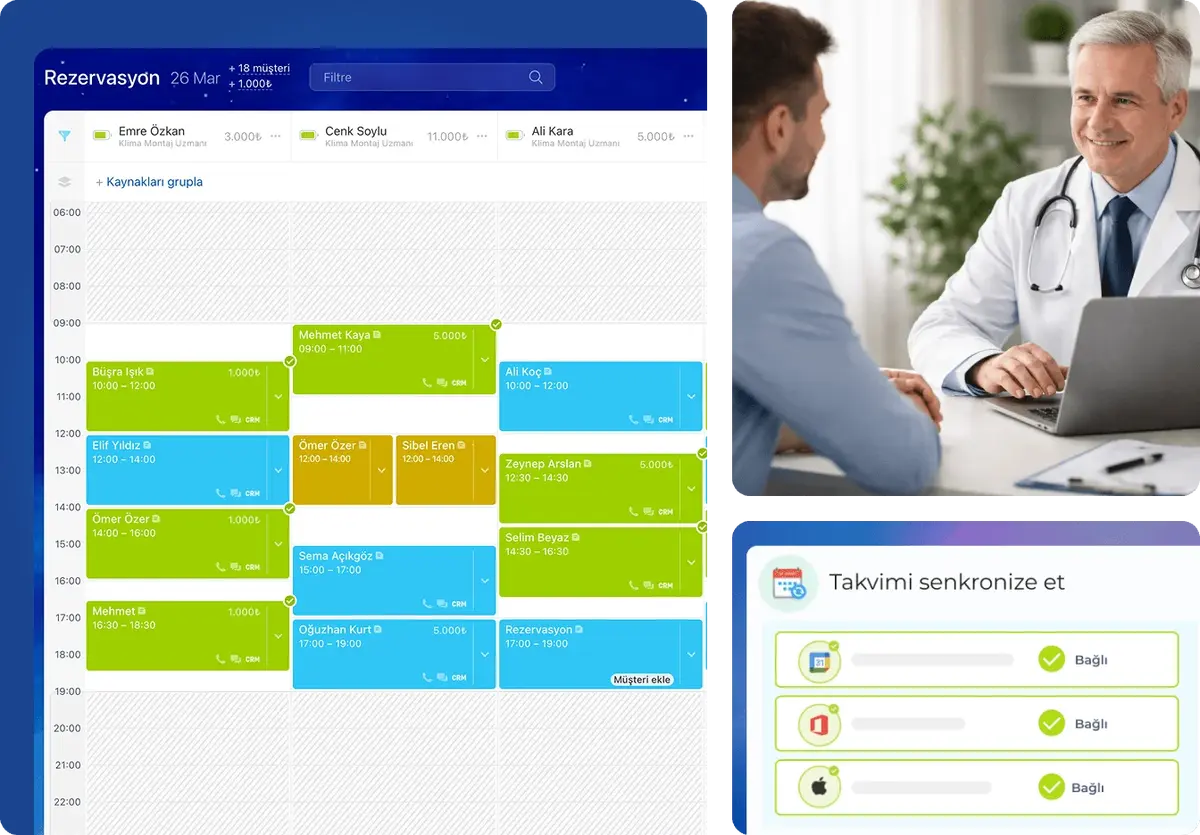
Effective patient communication requires consistent monitoring across multiple channels, including email, phone, and online platforms. Automation streamlines these interactions by applying consistent rules to recurring requests. For instance, a central system can categorize incoming messages and assign them to the appropriate staff, sending reminders if a response is delayed. This approach does not replace the human touch but rather alleviates the burden of repetitive administrative tasks, allowing medical professionals to focus on providing expert care where it is most needed.
Appointment Management Benefits From Automated Workflows
The role of automation in appointment management extends far beyond the initial booking process. To ensure a smooth operation, clinics must handle confirmations, rescheduling, and timely reminders, which are often sources of manual error. By implementing integrated scheduling systems, clinics can automatically send confirmation messages, notify staff of cancellations, and update patient lists in real-time. It is essential, however, that these tools are fully compatible with existing hospital management software to avoid fragmentation of patient data.
Bitrix24 Offers Solutions for Clinic Workflow Optimization
Platforms like Bitrix24 allow clinics to consolidate CRM and project management functions into a single interface. By automating the assignment of tasks and setting deadlines for patient follow-ups, institutions can prevent administrative bottlenecks. These systems support better coordination between reception, call centers, and administrative teams, providing leadership with clear visibility into operational performance. While these platforms enhance administrative efficiency, they remain distinct from specialized electronic health record systems and must be used with strict adherence to data security standards.
Data Security Remains a Critical Priority
As clinics adopt digital solutions, the protection of sensitive health information must remain a top priority. Compliance with legal requirements, such as personal data protection laws, is non-negotiable. Automation systems must be configured to grant access only to necessary personnel, and data transfers must be conducted through secure, encrypted channels. Ensuring that administrative automation does not unnecessarily expose private medical history is vital for maintaining patient trust and regulatory compliance.
We are curious to hear your experiences with digital tools in healthcare settings; please share your thoughts or questions regarding clinic automation in the comments section below.
Your comment has been submitted,
it will be published after approval.