
Google Expands Android Earthquake Alert System to 200 Regions

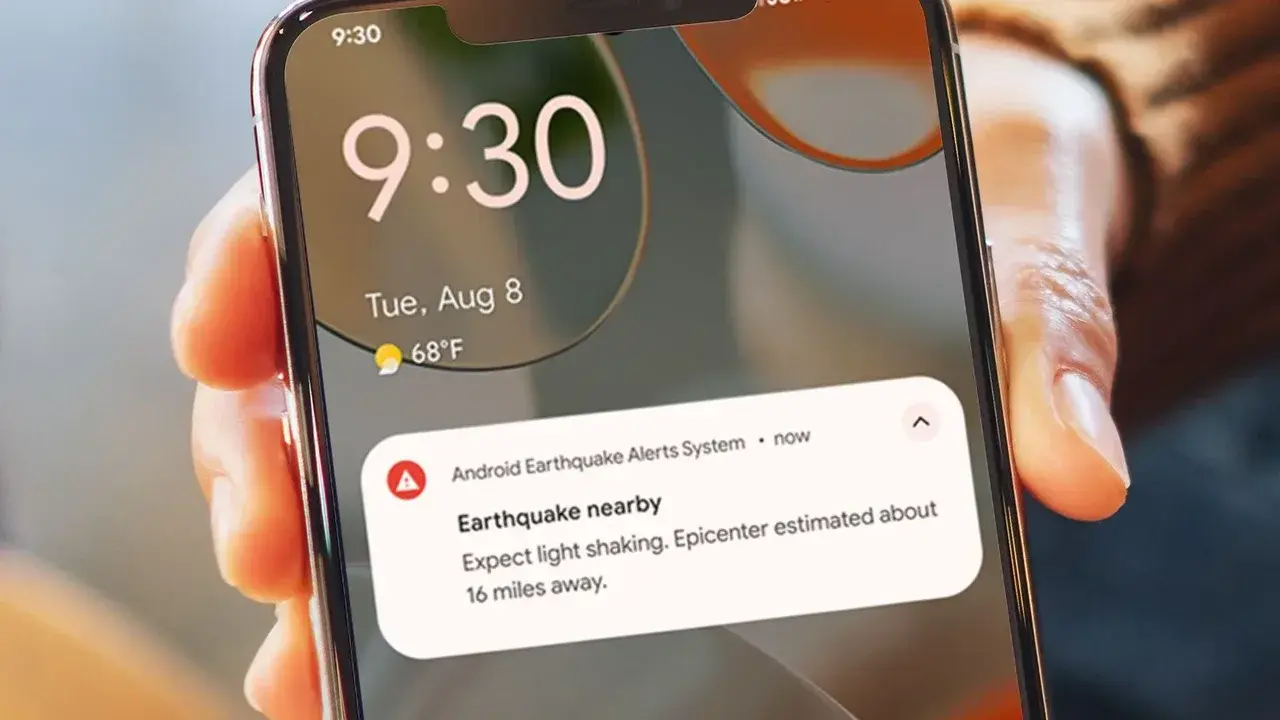
Google has officially announced a significant expansion and update to its Android earthquake alert system, a critical safety tool that now provides early warning services to more than 200 regions globally. By utilizing the built-in accelerometer sensors found in millions of smartphones, the technology detects the initial seismic waves of an earthquake and broadcasts alerts to users seconds before the shaking intensifies. Since its initial launch in 2021, the system has successfully delivered over one billion notifications, acting as an essential life-saving mechanism for users worldwide by allowing them to seek cover or reach safer locations before the primary tremors arrive.
- The Android earthquake alert system has expanded its geographic reach from 98 to over 200 regions.
- Google redesigned notification alerts to categorize warnings based on the intensity of the detected seismic activity.
- Future updates will integrate real-time mapping and estimated magnitude data directly into the user interface.
Regional Coverage and System Capabilities Increase
The recent infrastructure upgrade marks a major milestone for Google, as the system now covers more than double the number of regions supported at the start of the project. New additions to the service include countries such as Panama and Guatemala, ensuring that high-risk areas benefit from this early detection capability. 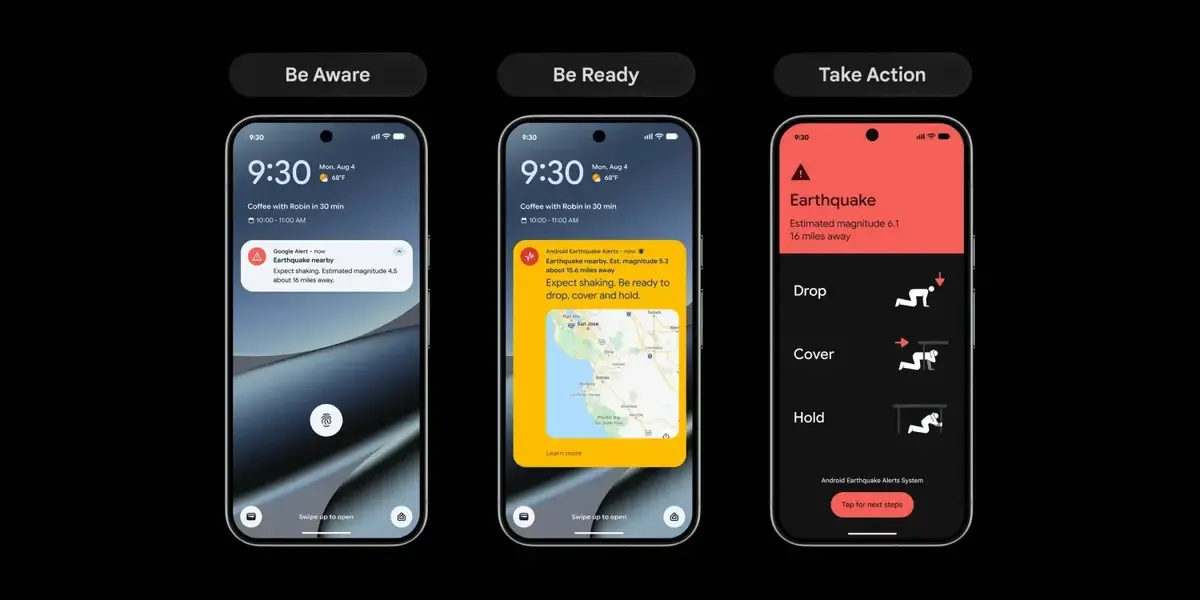 As the network grows, the accuracy of the crowdsourced sensor data improves, allowing the system to provide more reliable warnings to a broader global audience. This expansion demonstrates Google’s commitment to leveraging mobile technology for public safety and disaster preparedness.
Notification Systems Categorize Alerts by Intensity
In addition to broader coverage, Google has implemented a tiered notification structure designed to convey information more clearly during emergencies. The system now utilizes three distinct stages to guide user behavior: Be Aware, Be Ready, and Take Action. The ‘Be Aware’ stage alerts users to light shaking, while ‘Be Ready’ provides critical context for stronger tremors, including the estimated magnitude and the proximity of the epicenter. For the most severe events, the ‘Take Action’ stage triggers full-screen alerts that provide immediate, life-saving instructions to help users stay safe during the peak of the earthquake.
Future Developments Enhance User Experience
Looking ahead, Google is refining the user interface to ensure that the information presented during a crisis is as actionable as possible. In the coming months, the company plans to introduce interactive maps within the notification screens, allowing users to visualize the location of the seismic activity relative to their position. These updates also include direct links to safety guidelines and educational resources, which are intended to empower individuals to take informed precautions. Although the technology has encountered minor technical challenges in the past, Google continues to prioritize data integrity and user feedback to ensure the system remains a dependable tool for millions of people. By integrating these sophisticated data points, the company aims to reduce panic and promote safer decision-making during high-stress seismic events. As mobile devices become increasingly central to our daily lives, these advancements highlight the evolving role of consumer electronics in global humanitarian protection efforts.
Given the life-saving potential of real-time alerts, do you feel these notifications provide enough time to take meaningful action during a major earthquake? Please share your thoughts and experiences in the comments section below.
Your comment has been submitted,
it will be published after approval.