
NASA Develops Solid-State Battery Surviving -170 Degree Temperatures

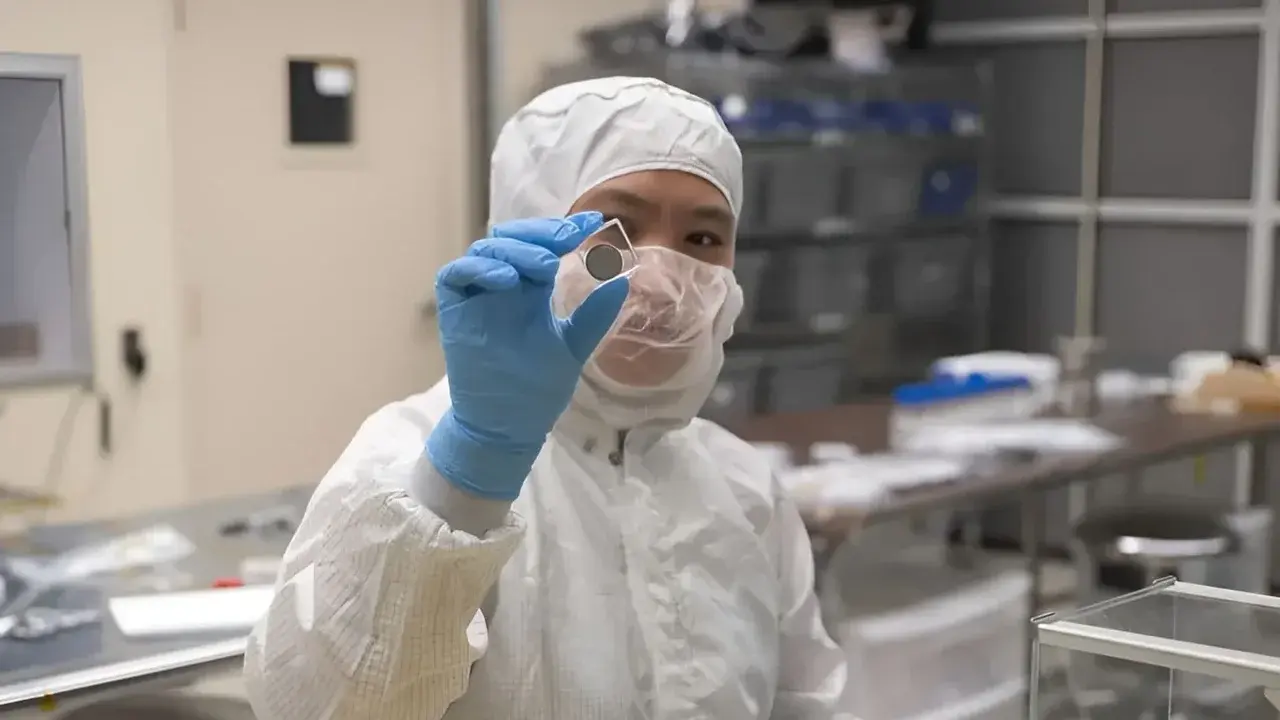
NASA has achieved a significant breakthrough in space energy storage by developing a new solid-state battery technology capable of enduring the extreme conditions found at the Moon’s South Pole. As part of the SPEARS project—Solid Power for Extreme Environment Adaptability and Resilience in Space—researchers created prototype cells that withstand freezing temperatures as low as -170 degrees Celsius without sustaining physical damage. This innovation aims to optimize energy consumption for future Artemis missions, providing a robust power solution for lunar rovers and scientific equipment that must survive the harsh, fluctuating environment of the lunar surface.
- The SPEARS project prototypes endure thermal extremes reaching -170 degrees Celsius without suffering structural failure.
- Solid-state electrolyte structures eliminate the risks associated with volatile liquid electrolytes found in traditional lithium-ion batteries.
- Future lunar exploration missions will benefit from reduced energy requirements for thermal management systems.
Lunar Conditions Require Enhanced Energy Efficiency
Thermal vacuum testing conducted at the NASA Langley Research Center demonstrates that these batteries maintain high operational efficiency between -60 and -80 degrees Celsius. While performance levels experience a decline below this threshold, the cells remain physically intact even when exposed to the deep freeze of -170 degrees Celsius. In these instances, the battery requires warming to return to an active electrical output state. 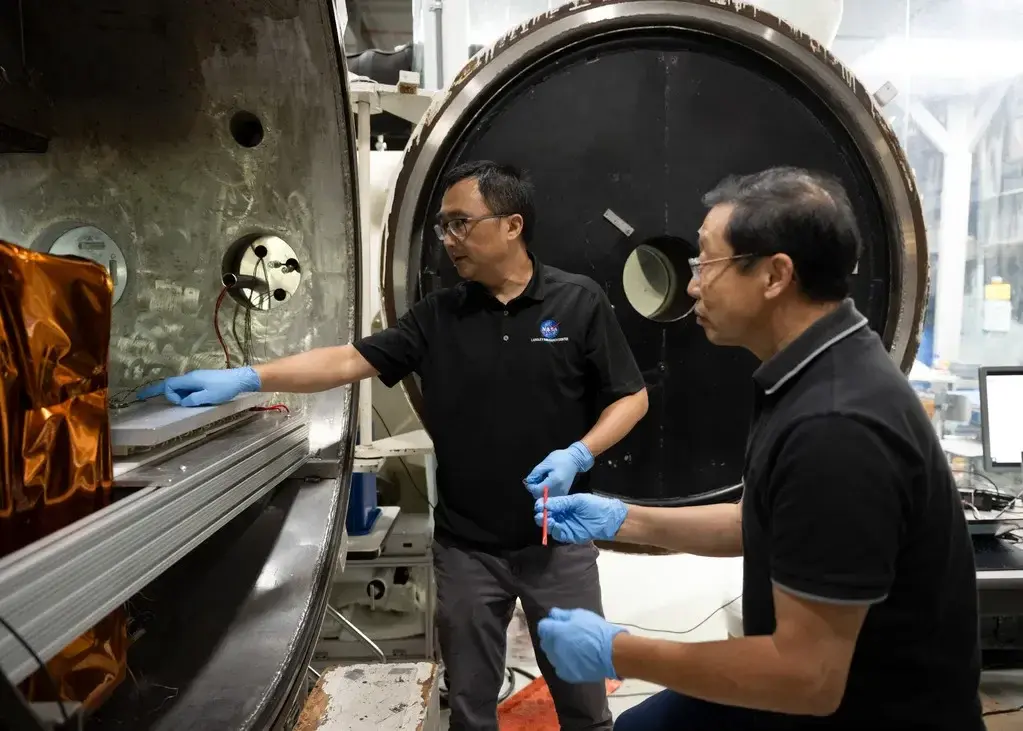
Traditional lithium-ion batteries often fail in lunar environments where temperatures can plummet to -200 degrees Celsius. The liquid electrolytes used in conventional designs pose significant freezing risks and potential safety hazards due to flammability. In contrast, the NASA-developed solid-state cells utilize ceramic or polymer-based electrolytes. This construction not only improves resilience against rapid temperature swings but also mitigates fire risks, offering a safer alternative for long-duration space missions.
New Technologies Support Future Space Missions
The ability of these solid-state batteries to survive extreme cold without constant heating significantly impacts mission planning. Currently, lunar explorers must dedicate substantial energy to keeping equipment warm during the long lunar night. With the new technology, small heating elements only need to activate the cells when they are ready for use, rather than maintaining a constant thermal baseline. This shift in energy management will likely decrease the overall weight and power burden of thermal control systems on spacecraft.
NASA researchers are currently refining electrode materials to further improve energy density and the overall lifecycle of these cells. Beyond lunar surface exploration, the agency is evaluating potential applications for this technology in terrestrial fields, including electric aviation, unmanned aerial vehicles, and portable electronics. As testing continues, the data gathered will determine the feasibility of scaling these batteries for broader use in both space exploration and commercial industries.
How do you believe this advancement in energy storage will reshape the timeline for establishing a permanent human presence on the Moon?
Your comment has been submitted,
it will be published after approval.