
Türkiye’s Electric Vehicle Fleet Surpasses 491,000 Units

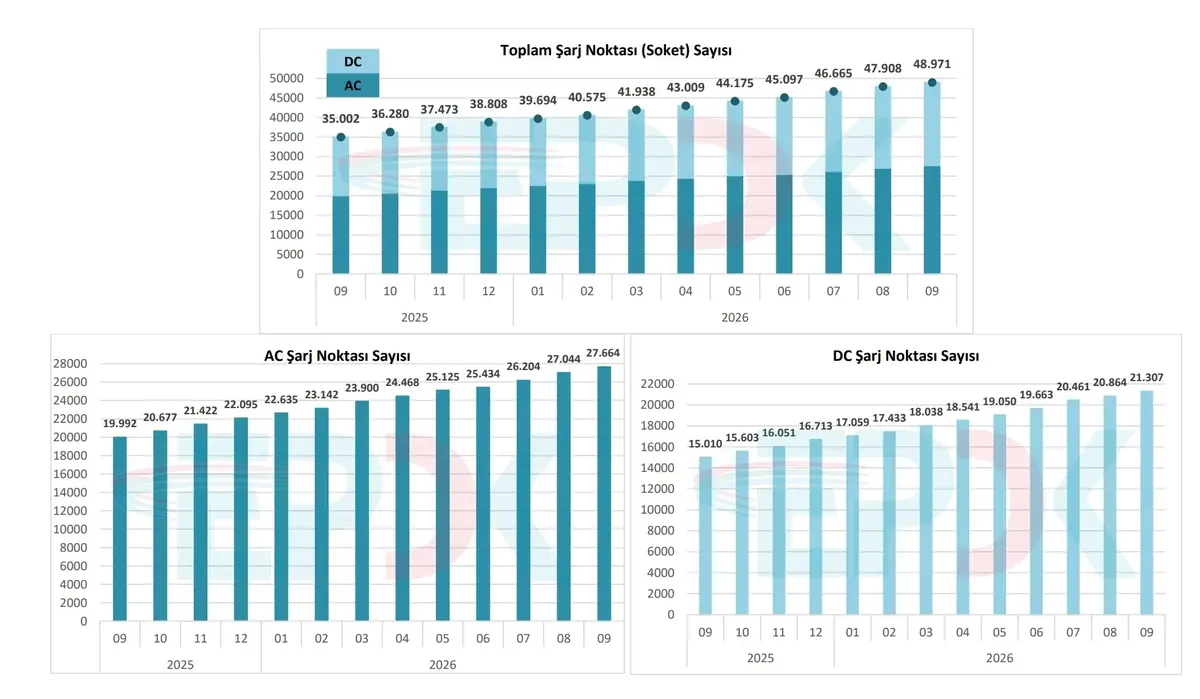
According to the latest data released by the Energy Market Regulatory Authority (EPDK), the number of electric vehicles in Türkiye has reached 491,492 as of September 2026. This significant milestone marks a 52.8% increase compared to the same period in the previous year, highlighting a rapid transformation in the nation’s automotive landscape. As the electric vehicle ecosystem continues to expand, the supporting charging infrastructure has scaled accordingly, with commercial charging sockets now totaling 48,971 units. This surge in adoption demonstrates a consistent and growing interest among Turkish consumers toward sustainable transportation solutions, supported by both public and private sector investments.
- The total number of electric vehicles in Türkiye climbed to 491,492 by September 2026.
- The commercial charging network expanded to nearly 49,000 sockets across the country.
- DC fast-charging infrastructure experienced a higher growth rate than AC charging options.
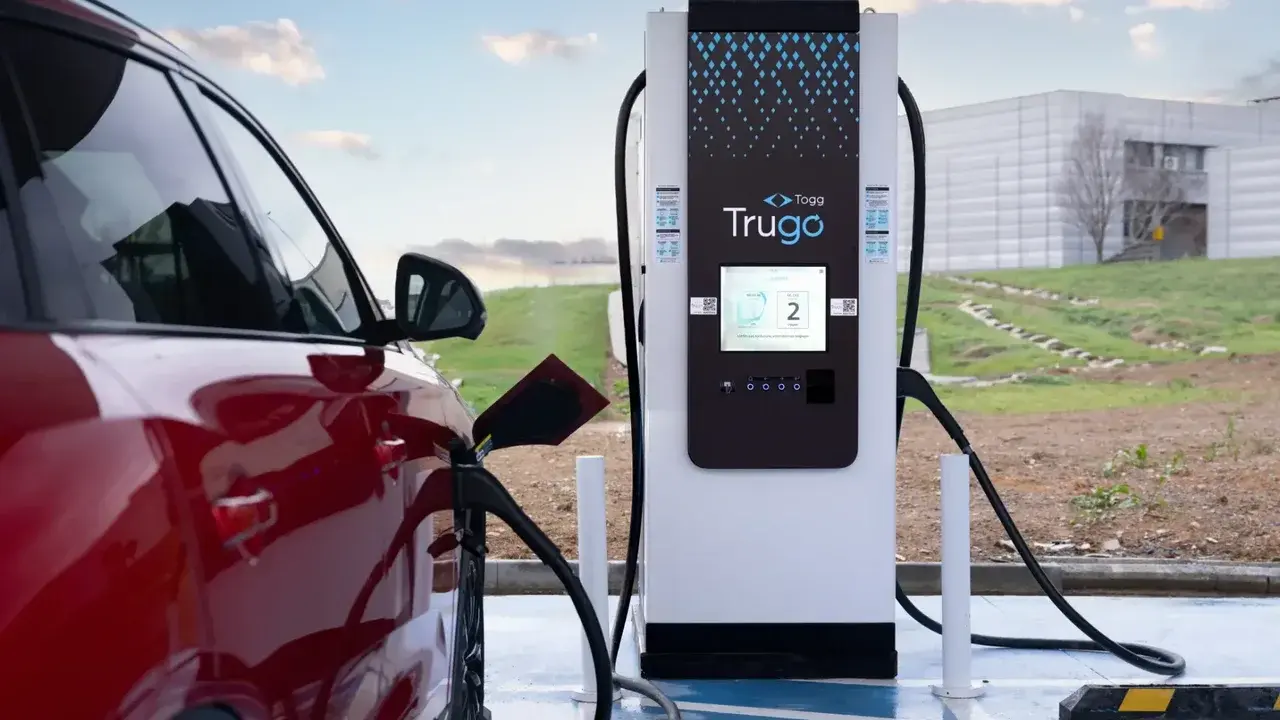
- Trugo maintains its position as the market leader in total electricity consumption.
Electric Vehicle Adoption Experiences Rapid Growth
Data from the Turkish Statistical Institute indicates a clear acceleration in the transition to electric mobility. While the number of vehicles stood at 321,710 in September 2025, the country added 169,782 new units within just one year. Historical trends reveal a steady climb: from 14,896 vehicles in 2022 to over 80,000 in 2023, and reaching 185,513 by 2024. 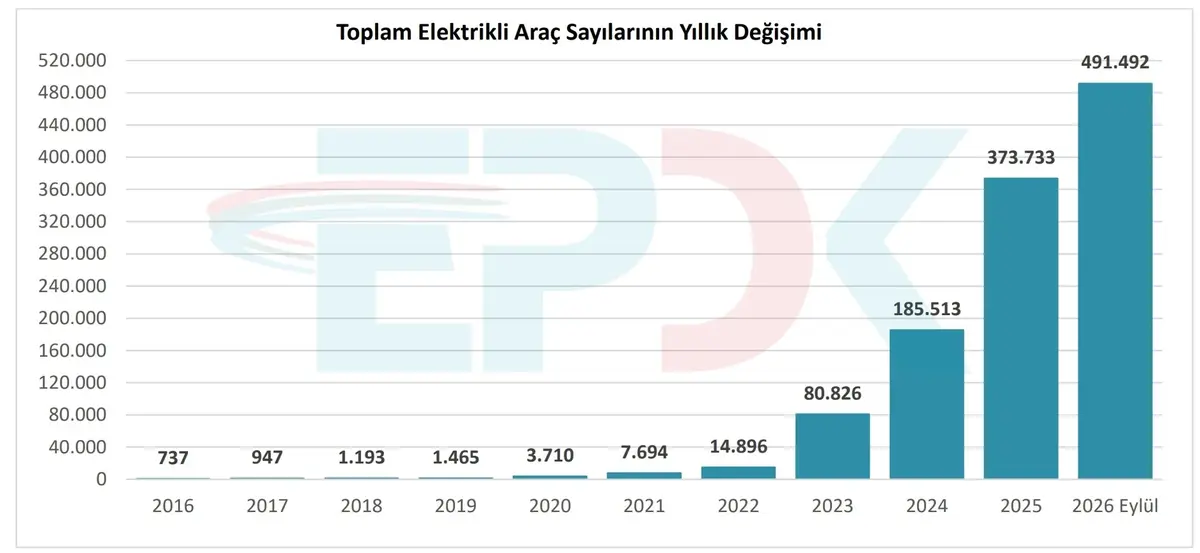 This consistent momentum, characterized by a 3.1% monthly growth rate between August and September 2026, confirms that electric vehicles are becoming a mainstream choice for drivers.
  As the fleet grows, the infrastructure must evolve to maintain service quality and reliability for all users.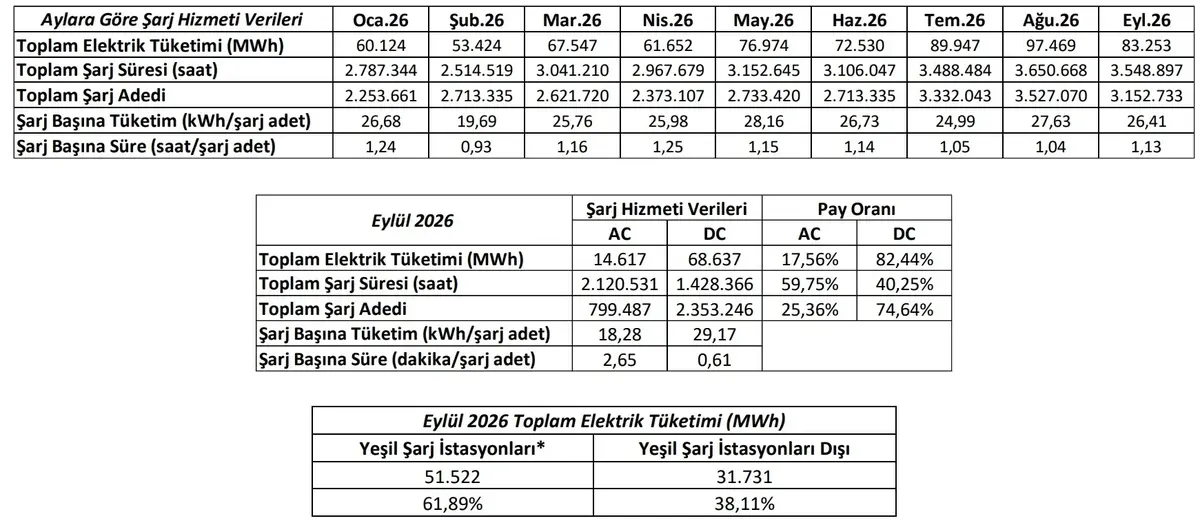
Charging Infrastructure Capacity Keeps Expanding
To accommodate the rising number of electric vehicles, the charging network has undergone a significant expansion of nearly 40% over the past year. There are currently 27,664 AC sockets and 21,307 DC sockets available for public use. Notably, DC fast-charging infrastructure saw a 42% annual growth rate, outpacing the 38.4% increase in AC infrastructure. This trend reflects an increasing demand for rapid charging capabilities, which are essential for long-distance travel and daily convenience for electric vehicle owners.
Energy Consumption Patterns Reveal Market Leaders
As vehicle numbers rise, electricity consumption at charging stations has spiked, reaching 83,253 MWh in September 2026. During this period, users performed over 3.1 million charging operations, totaling nearly 3.5 million hours of service. 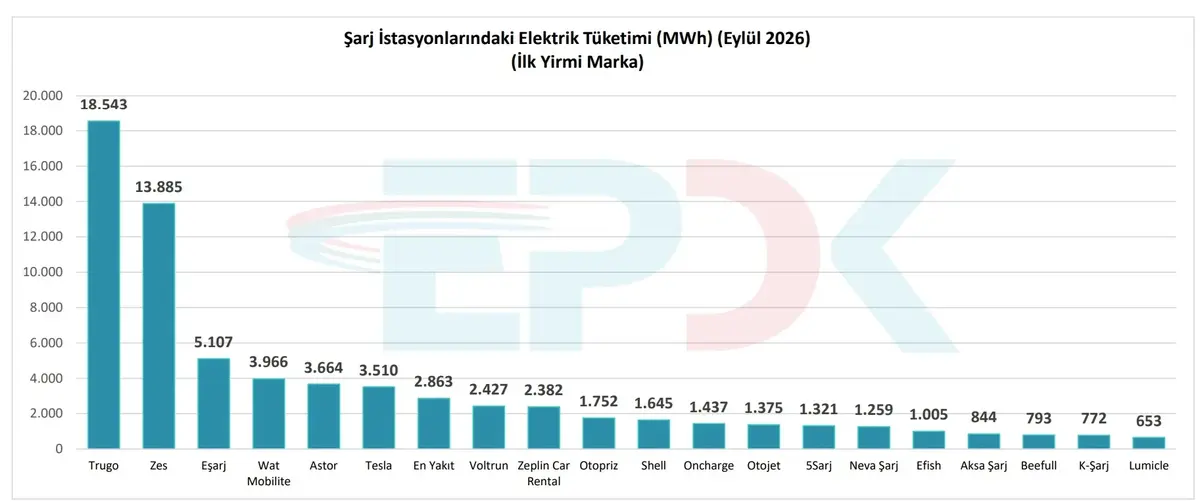 DC stations handled the vast majority of this demand, accounting for 82.44% of total energy consumption.
 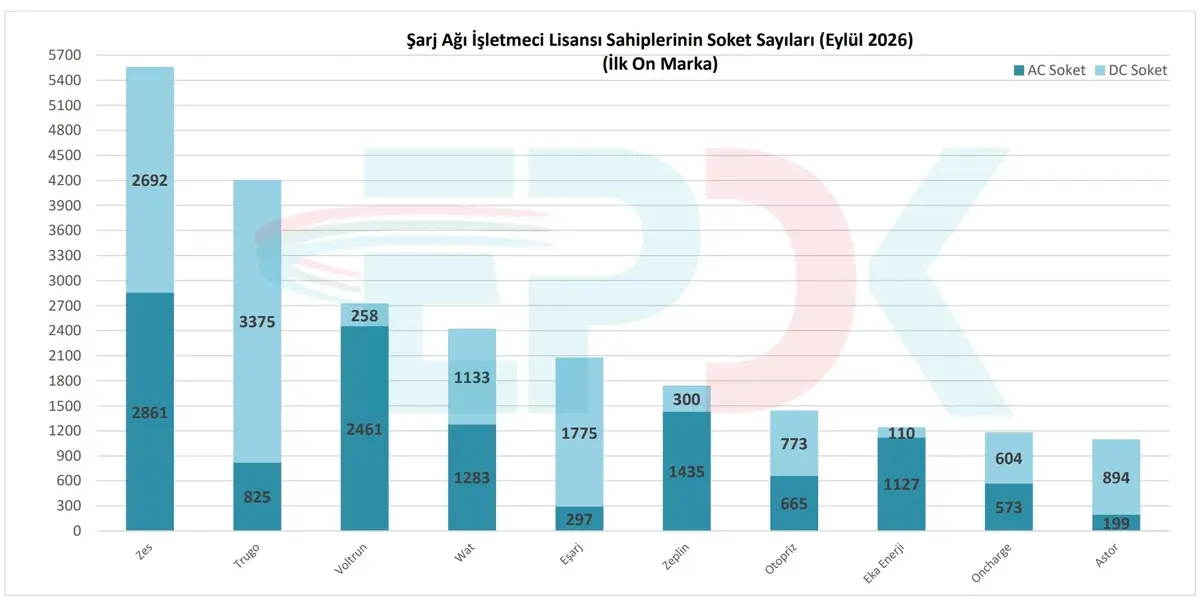 Furthermore, sustainability remains a key focus, with 61.89% of the consumed electricity sourced from renewable energy providers. Istanbul leads the country in energy usage, followed by Ankara and İzmir. In terms of market performance, Trugo stands out as the leader in electricity consumption, while Zes occupies the top spot regarding the total number of available charging sockets.
Given the rapid expansion of the charging network and the increasing number of electric vehicles on the road, we would love to hear your thoughts. Do you believe the current pace of infrastructure development is sufficient to keep up with the rising demand, or are more aggressive investments required to prevent charging queues? Share your experiences and predictions in the comments below.
Your comment has been submitted,
it will be published after approval.