
Dell CEO Warns Memory Shortage Will Worsen by 2027

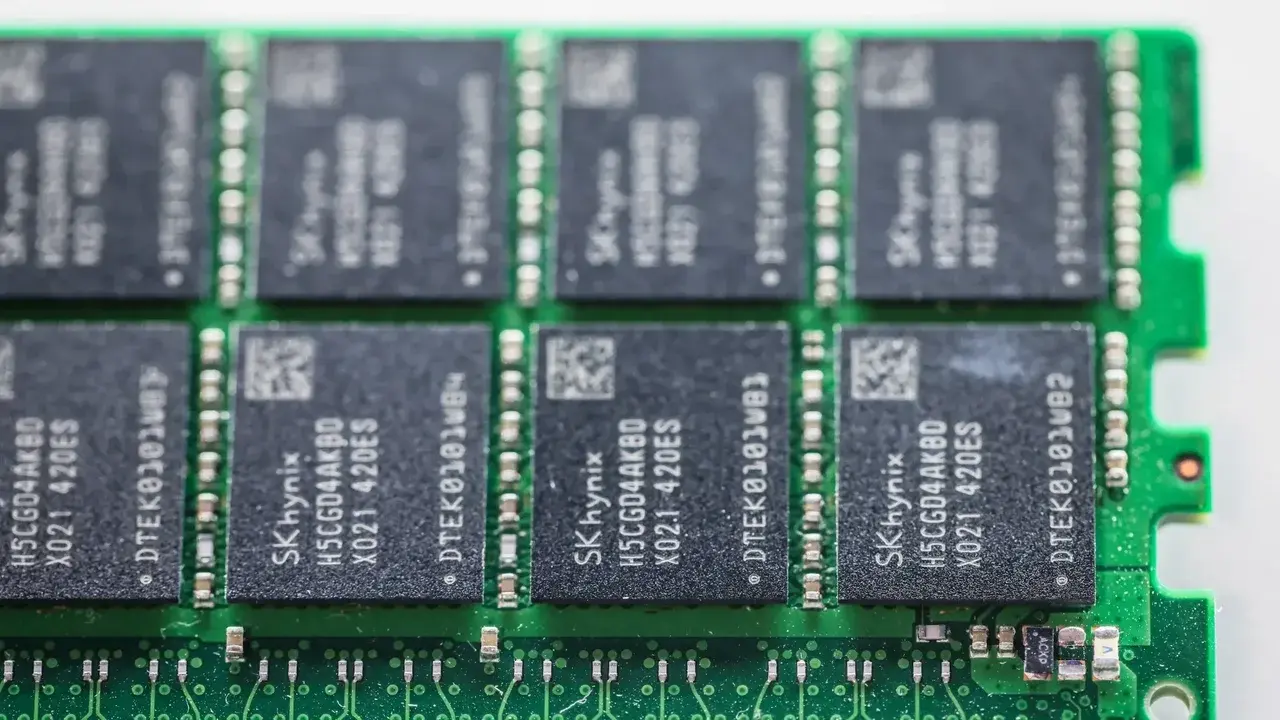
Dell Technologies CEO Michael Dell has issued a sobering warning regarding the global technology landscape, stating that the persistent memory shortage currently plaguing the industry is expected to intensify significantly by 2027. As the company manages a staggering $95 billion backlog in artificial intelligence server orders, the delivery of these high-performance units remains hampered by critical supply chain bottlenecks involving HBM and DRAM components. This hardware crisis threatens to disrupt the rapid deployment of AI infrastructure globally, as the demand for advanced semiconductors continues to outpace the current manufacturing capacity of major global suppliers.
- Global demand for AI-specific memory chips currently exceeds existing production capabilities at major semiconductor foundries.
- Dell Technologies expects that memory supply constraints will persist for at least the next four years until new manufacturing facilities reach full scale.
- The company utilizes long-term agreements and customer prepayments to mitigate the impact of rising memory costs on server production.
- Engineers are optimizing server architectures to maintain flexibility during periods of specific component scarcity.
Supply Chain Disruptions Hinder Artificial Intelligence Growth
The global race to build robust artificial intelligence infrastructure has created an unprecedented strain on the supply chain. Advanced AI servers rely heavily on High Bandwidth Memory (HBM) chips, which must integrate seamlessly with powerful GPUs to handle complex workloads. Because the manufacturing of these specialized components requires sophisticated technology and significant time, the industry is currently facing a supply-demand mismatch that shows few signs of immediate relief.
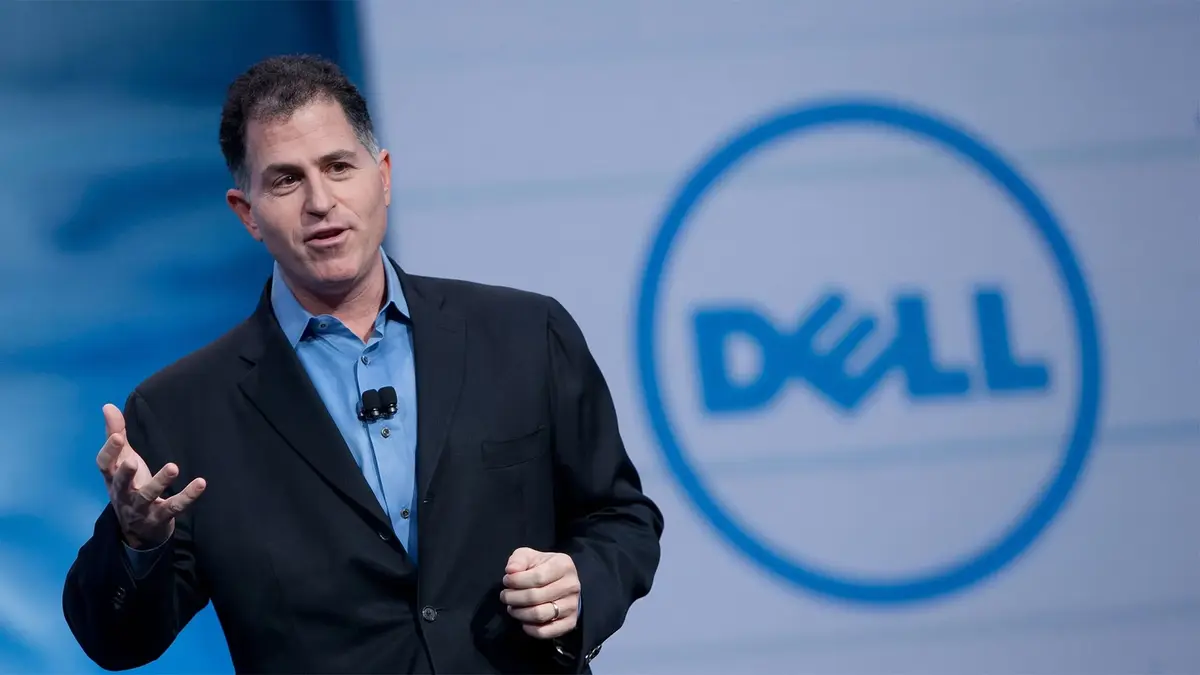
Michael Dell noted that these supply limitations could persist for up to four years, as the construction of new semiconductor fabrication plants is a capital-intensive and time-consuming process. Industry experts anticipate that these new facilities will only reach their full operational capacity by 2029 or 2030, leaving a multi-year gap where demand will likely remain higher than the available supply of critical memory components.
Operational Strategies Address Financial Risks
For system integrators, these shortages present a dual challenge of delivery delays and rising costs. As memory prices trend upward, the total cost of ownership for flagship server architectures increases, placing pressure on profit margins. To manage these risks, Dell has implemented a strictly controlled inventory model designed to prevent the over-expansion of working capital while ensuring that essential components are secured.
The company focuses on procuring DRAM chips during the final assembly stages, allowing for better cash flow management amidst changing market demands. Furthermore, Dell has established strategic, long-term supply agreements with industry leaders such as Samsung and SK Hynix. These partnerships, combined with customer prepayments, help the company reserve crucial memory capacity and insulate its operations from the most volatile price fluctuations in the global market.
Engineering Solutions Optimize Server Performance
Beyond financial maneuvering, Dell is leveraging its engineering capabilities to navigate the supply crisis. The firm is actively optimizing its server architecture to remain compatible with various memory configurations. This modular approach allows the company to continue shipping systems even when specific component types become temporarily unavailable, ensuring that client projects face minimal disruption despite the broader industry challenges.
The primary goal remains the fulfillment of the $95 billion order backlog, which represents a significant portion of the company’s future growth prospects. By continuously updating production processes and refining supply chain logistics, Dell aims to mitigate the impact of component scarcity on its operational efficiency. As the technology sector enters this challenging phase, the ability to balance high-end demand with restricted supply will remain the defining characteristic of successful infrastructure providers.
Given the ongoing strain on the global semiconductor supply chain, how do you believe these hardware limitations will impact the speed of AI innovation in the coming years? We invite you to share your insights in the comments section below.
Your comment has been submitted,
it will be published after approval.