
OpenAI Enters the Humanoid Robot Market With Ambitious Goals

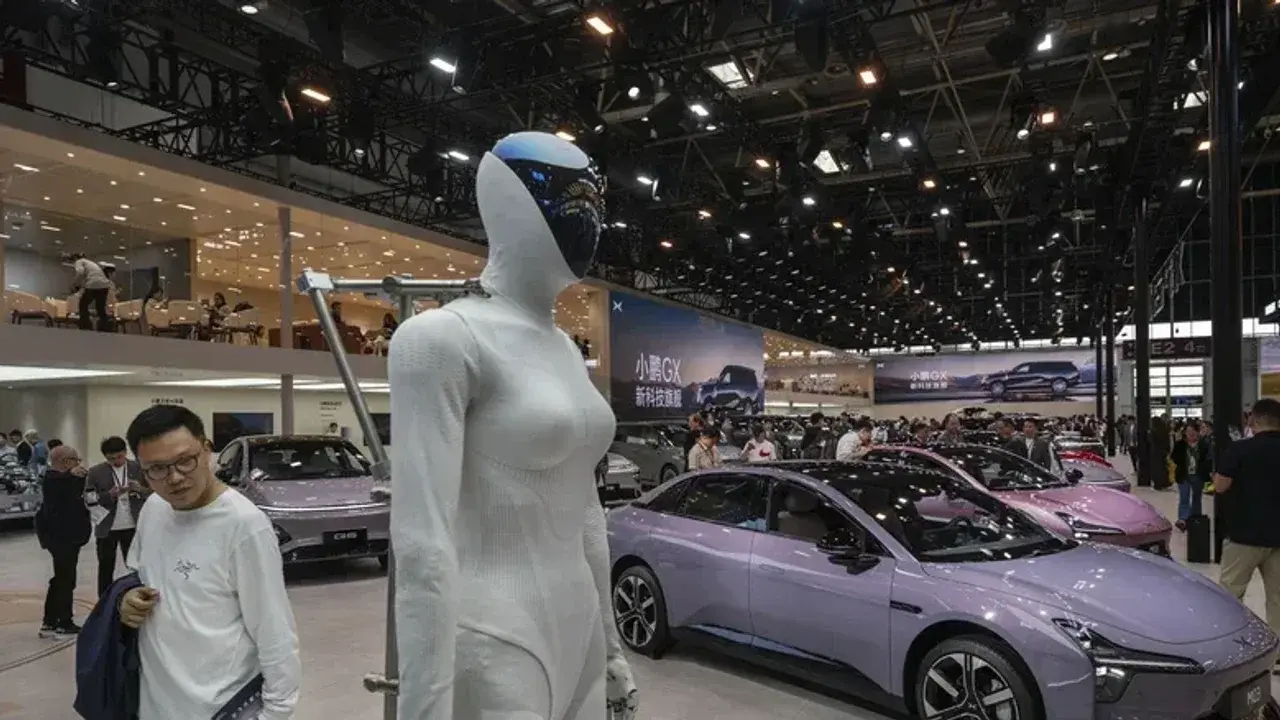
OpenAI has officially launched an initiative to develop an advanced humanoid robot, marking the artificial intelligence leader’s expansion into the physical robotics sector. By focusing on creating a machine capable of navigating environments specifically designed for humans, the company aims to bridge the gap between digital intelligence and physical interaction. CEO Sam Altman emphasizes that a humanoid form is essential for operating in a world built around human physical traits, such as door handles and keyboards. This strategic move aims to integrate sophisticated AI models into physical entities, potentially transforming how we approach labor and personal assistance in human-centric spaces.
- OpenAI is shifting focus toward developing humanoid robots capable of functioning in human-designed environments.
- The company aims to debut an impressive robotics demonstration by 2027.
- Current recruitment efforts include filling 27 specialized robotics roles to advance hardware and software integration.
- OpenAI prioritizes the development of a central AI brain over mere physical construction.
While the physical design of the robot is an important factor, OpenAI is primarily prioritizing the development of a highly intelligent “brain” that can process real-world sensory input. Altman argues that simply equipping a machine with limbs is insufficient if the system lacks the cognitive ability to interpret its surroundings and execute complex tasks. The challenge lies in enabling the robot to perceive its environment through sensors and cameras, process instructions, and coordinate precise physical movements effectively.
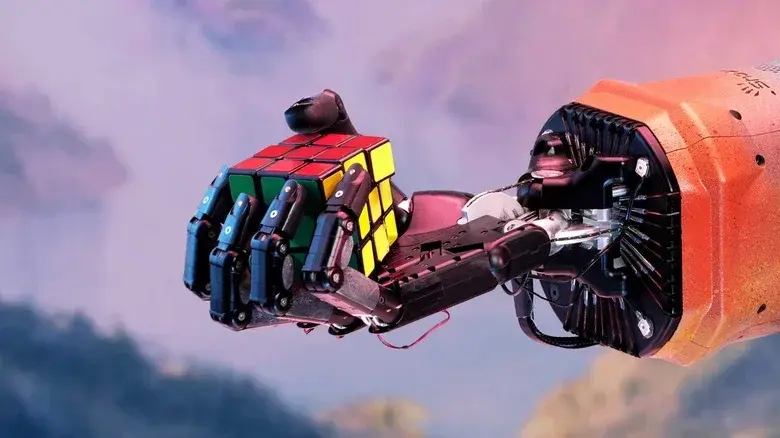
The company is currently leveraging expertise in motor control and state estimation to overcome these barriers. Building upon previous successes like the Dactyl project, which demonstrated a robotic hand manipulating objects, OpenAI is working to translate software-based simulation learning into the unpredictable nature of the physical world. This requires sophisticated machine learning infrastructure that can manage the complexities of tactile interaction, such as grasping objects with appropriate force.
The Company Targets a Major Demonstration by 2027
Looking toward the future, OpenAI has set an ambitious timeline to showcase its progress by 2027. While specific technical details or features of this demonstration remain undisclosed, the industry is closely monitoring these developments. Altman has cautioned that while the demo will be significant, the deployment of robots into public spaces will likely follow a much longer development cycle.

The company’s recent hiring surge underscores a clear pivot toward hardware manufacturing. Job postings indicate that OpenAI is actively seeking experts in electromagnetic actuators, motor systems, and sensor integration to support this new division. The short-term strategy focuses on developing general-purpose robots that can assist skilled workers in industrial and professional settings, while the long-term vision encompasses personal robots designed for everyday home life.
Global Competition in Robotics Continues to Intensify
The robotics landscape is becoming increasingly crowded as major technology players enter the market. Companies like Tesla, with its Optimus project, and XPENG, with its IRON model, are currently competing to establish dominance in the humanoid sector. OpenAI has yet to release information regarding pricing, release dates, or the privacy frameworks that will govern these machines. Despite these unknowns, the company’s commitment to hiring 27 specialized robotics experts signals a robust investment strategy aimed at long-term technological leadership.
As OpenAI transitions from pure software to physical robotics, we are interested in your perspective: How do you envision these humanoid robots impacting your daily routine in the next decade? Share your thoughts in the comments section below.
Your comment has been submitted,
it will be published after approval.