
Woman Arrested for Blocking Delivery Robot in Philadelphia

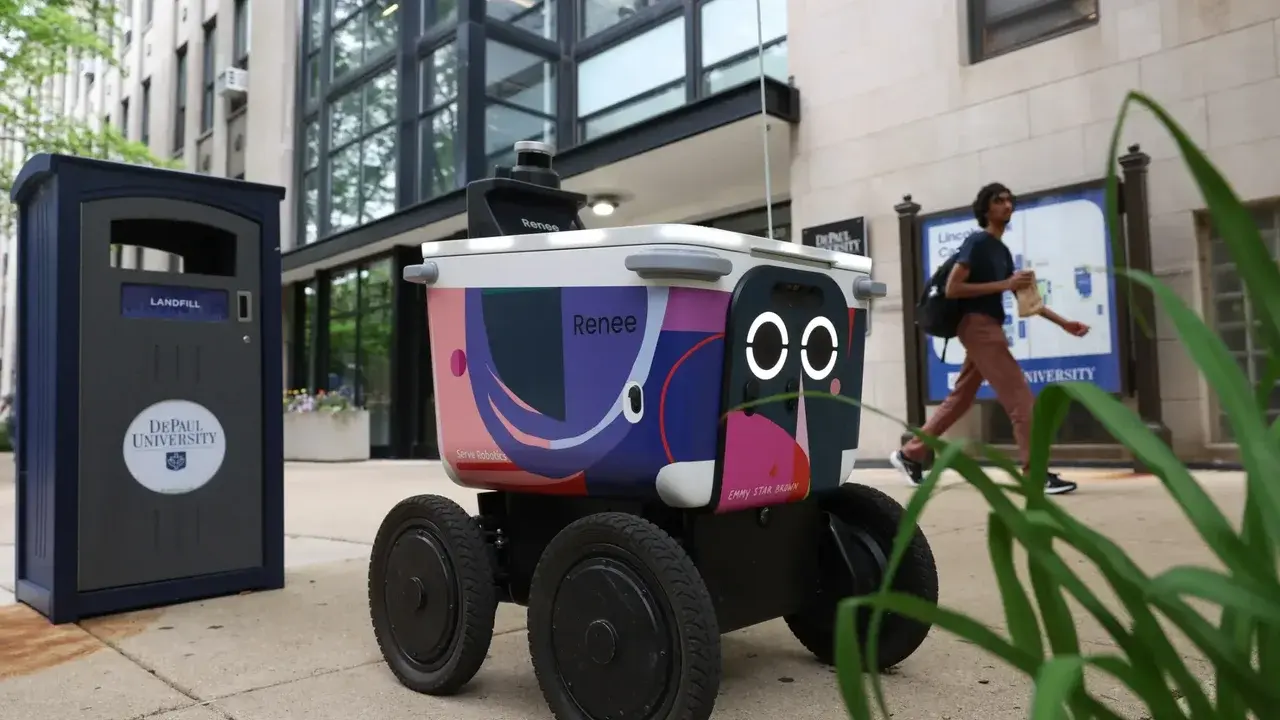
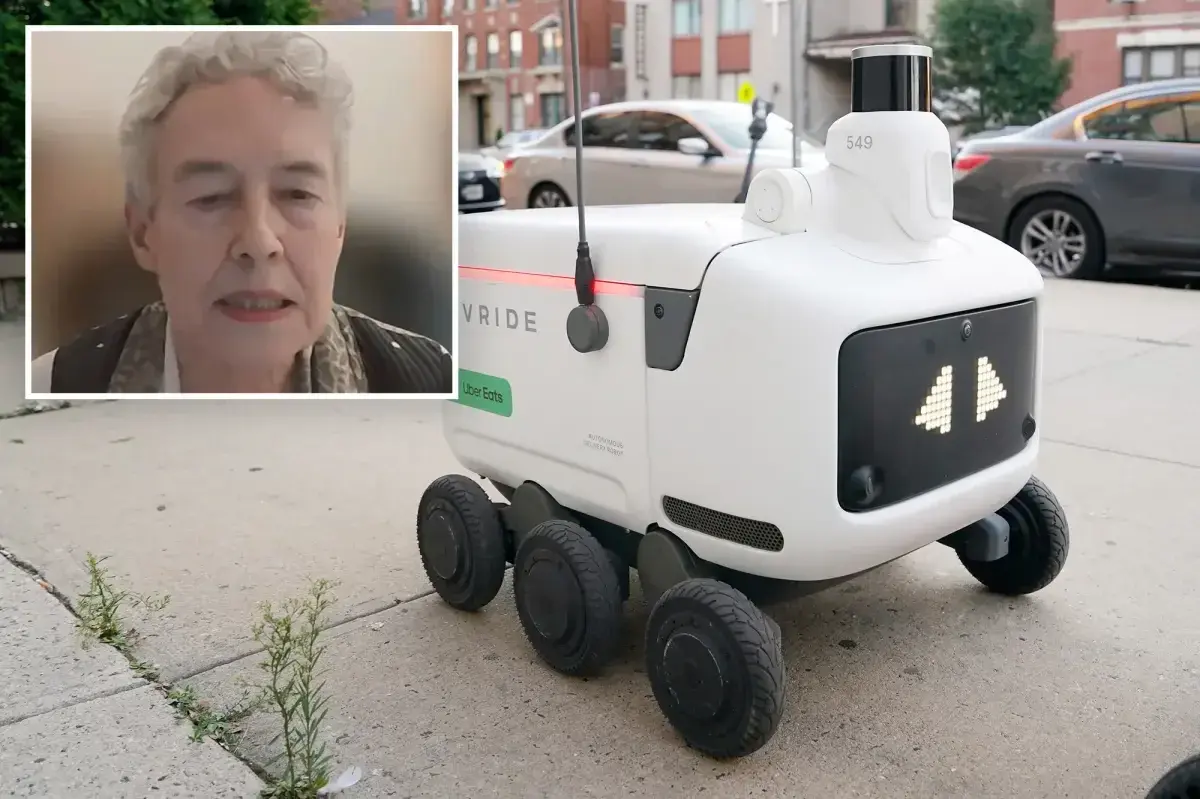
A woman identified as Carolyn Marvin was taken into custody in Philadelphia after she intentionally blocked the path of an autonomous Uber delivery robot, effectively halting its operations in the city center. This incident, which occurred amid growing public tension regarding the presence of automated systems, highlights the escalating conflict between urban residents and emerging technology. Marvin refused to move despite requests from law enforcement, leading to her arrest on charges of disorderly conduct. Her actions reflect a deepening divide in city life as autonomous delivery robots become increasingly common on public sidewalks.
- Philadelphia authorities arrested a local woman for obstructing the path of an autonomous Uber delivery robot.
- The suspect claimed her protest targeted the potential displacement of human delivery workers by automated systems.
- Police charged the individual with disorderly conduct after she refused to vacate the robot’s route.
- Similar incidents of vandalism against autonomous delivery units have been reported in the Philadelphia area recently.
During a subsequent interview with media outlet ABC13, Carolyn Marvin justified her unconventional form of protest by citing concerns over labor market shifts. She stated that her repeated attempts to stop these robots are driven by a desire to defend the rights of human delivery workers who face job losses due to increased automation. By positioning herself in front of these machines, she seeks to draw attention to what she perceives as a threat to traditional employment in the logistics sector.
Public Opposition to Autonomous Technology Increases
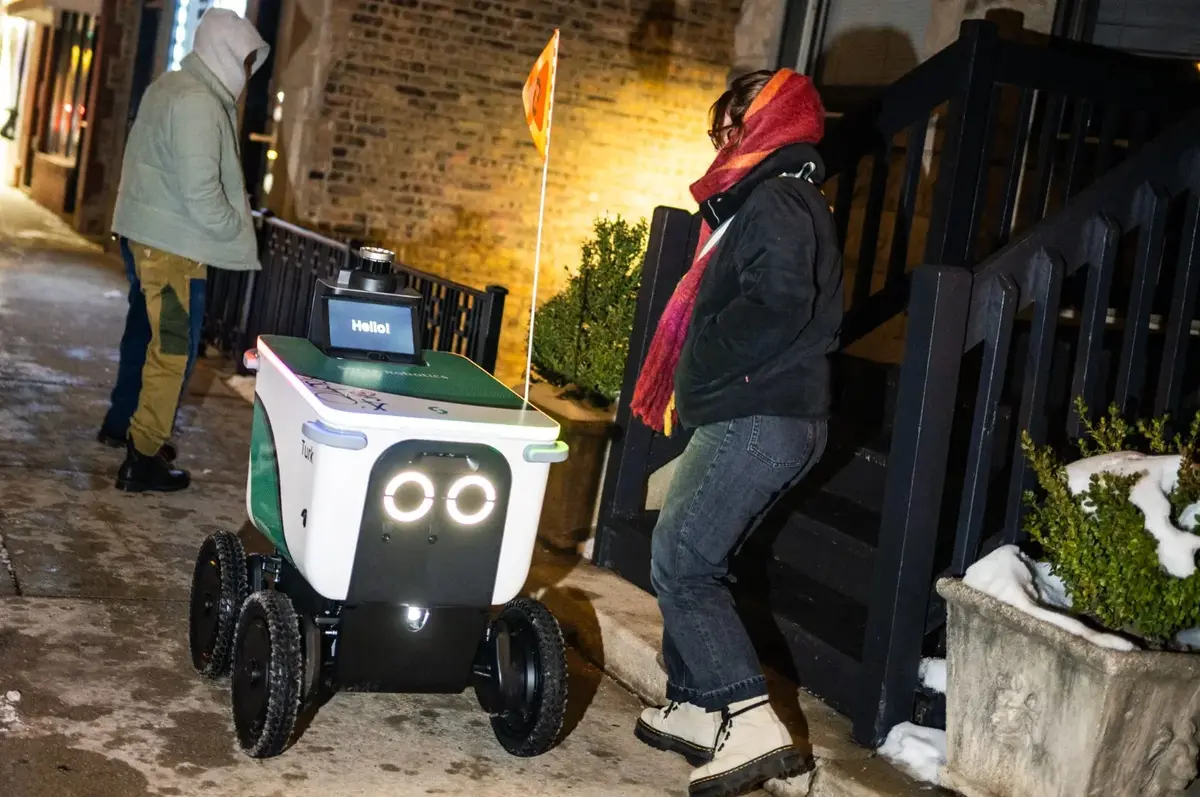
The incident in Philadelphia is not an isolated event but rather part of a broader trend of resistance against automated urban infrastructure. In a previous occurrence in the Center City district, a delivery robot was reportedly kicked and overturned by individuals frustrated with the technology. These acts of civil disobedience suggest that the rapid integration of artificial intelligence and robotics into daily life is outpacing public acceptance and regulatory frameworks.
While companies argue that these robots streamline city logistics and improve delivery efficiency, critics remain skeptical of the social cost. The concern is that the reliance on autonomous systems prioritizes corporate convenience over the livelihoods of low-skilled workers. As city officials observe these tensions, the debate over how to balance technological progress with workforce protection intensifies, potentially leading to future policy changes regarding where and when these robots are permitted to operate.
Labor Markets Face Transformation Challenges
The broader discussion surrounding robotaxis, delivery robots, and AI-driven agents centers on how these technologies will permanently alter the employment landscape. Experts are currently evaluating the long-term impact on the workforce, questioning whether the convenience offered by such advancements justifies the potential economic disruption. Philadelphia’s recent experience serves as a clear indicator that the societal integration of these technologies is fraught with challenges.
As firms continue to pour capital into autonomous systems, it remains to be seen if companies will adopt more inclusive strategies to mitigate the impact on human labor. The situation in Philadelphia highlights a critical turning point where the convenience of modern logistics meets the reality of labor anxiety. Moving forward, developers and city planners must address these community concerns to ensure that the deployment of robotics does not lead to further social friction or legal confrontations.
How do you feel about the rise of autonomous delivery robots in your neighborhood, and do you believe they pose a genuine threat to traditional jobs? Share your thoughts in the comments section below.
Your comment has been submitted,
it will be published after approval.