
Airbus Aims to Expand Aviation Partnership with Turkey via HÜRJET

Airbus is set to further expand its aviation partnership with Turkey, building on a significant transformation in the Turkish aerospace industry over the past two decades. According to Simon Ward, President of Airbus Turkey, the company’s annual expenditures in the country have surged from approximately $35 million in its early operational days to an impressive $750 million today. This substantial increase highlights Airbus’s growing commitment to Turkish suppliers and manufacturers, who are now undertaking more extensive production activities and contributing significantly to the global supply chain.
- Airbus’s annual spending in Turkey has increased from $35 million to $750 million, reflecting a major expansion in production and supply chain activities over 20 years.
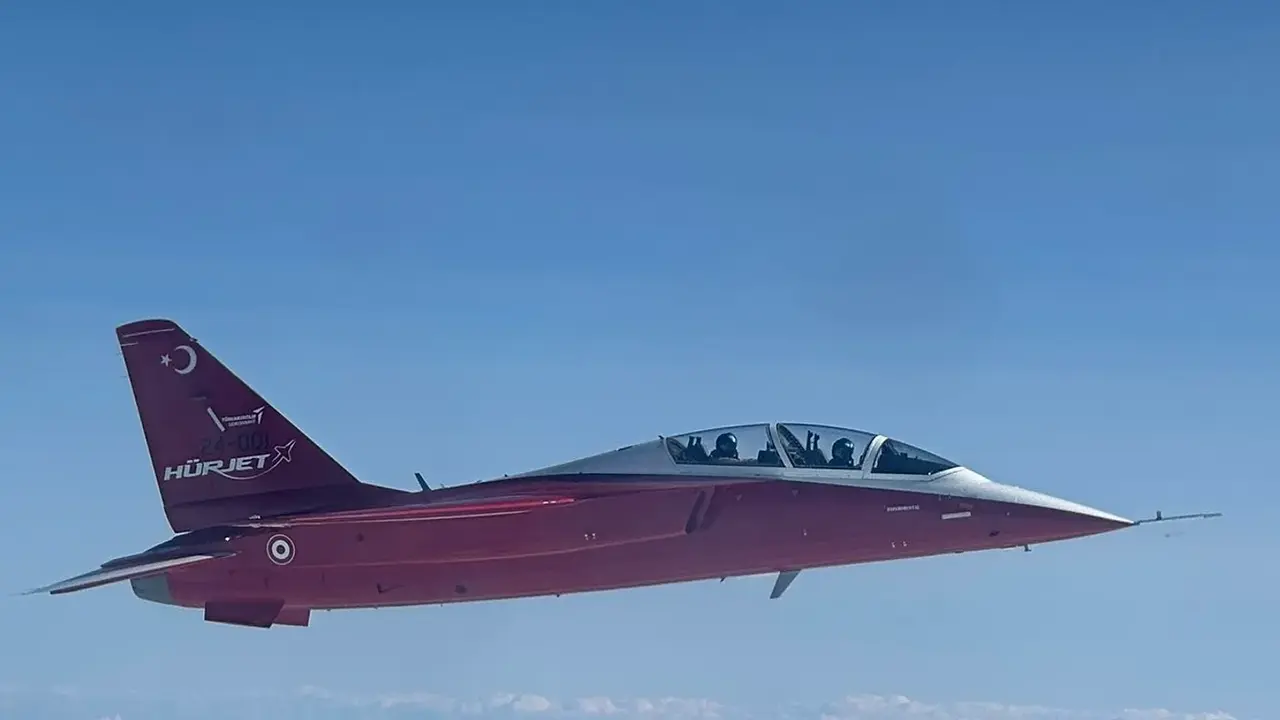
- The HÜRJET program, involving a partnership between Turkey and Spain, is viewed as a new model for European aviation industrial cooperation and export for Turkish-developed platforms.
- Turkey’s civil aviation market is projected to require approximately 1,800 new aircraft over the next two decades, with passenger and air traffic expected to more than double.
- Istanbul is anticipated to strengthen its position as a global aviation transfer hub due to its growing connectivity and tourism potential.
Airbus’s engagement in Turkey has evolved considerably from initial limited offset agreements focused on small metal aircraft parts. Today, the company’s operations encompass broader production and assembly activities, signifying the Turkish aviation industry’s growing role within the international supply chain. This strategic shift underscores Turkey’s enhanced capabilities and its emergence as a more integrated partner in global aerospace manufacturing.
HÜRJET Represents a New Era for Turkey-Europe Collaboration
Simon Ward expressed expectations for even greater development in aviation industry cooperation between Turkey and Europe over the next five to six years. He specifically highlighted the HÜRJET program, noting its significance as Turkey transitions into a position of exporting aviation products to European nations, exemplified by the upcoming collaboration with Spain.
The HÜRJET program, developed by Turkish Aerospace Industries (TUSAŞ), aims to establish a new model for industrial cooperation between Turkey and Spain. The initial phase involves the production and delivery of the first aircraft in Turkey. Subsequent stages will see the development of a joint configuration with contributions from Spanish subcontractors. This tailored version, designed to meet Spain’s specific requirements, is intended for future offerings to other NATO allies and friendly countries, thereby broadening its market reach.
Airbus plays a crucial role as an integral part of this industrial collaboration between Turkey and Spain within the HÜRJET program. The project is particularly important for the Turkish aviation industry’s objective of bringing its domestically developed platforms to the European market, marking a significant milestone in its export ambitions. 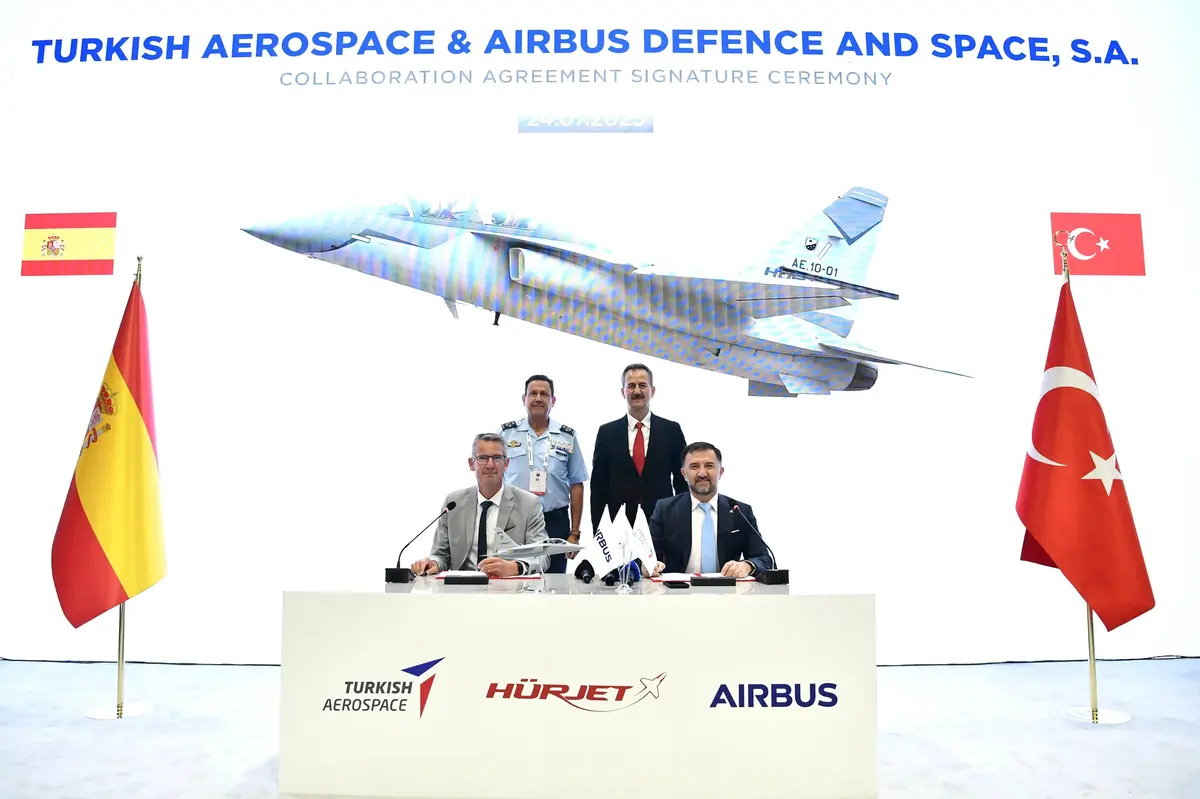
Turkey’s Aviation Market Will Require an Estimated 1,800 New Aircraft
Antonio Da Costa, Vice President of Market Analysis and Forecasts at Airbus, shared insights into the future of Turkey’s civil aviation market. He projected that Turkey’s aircraft fleet is expected to more than double over the next two decades. According to Airbus’s forecasts, approximately 1,800 new aircraft could be needed during this period to meet the demands of Turkey’s growing air transport market.
The company also anticipates that passenger numbers and air traffic could more than double, with some indicators suggesting growth approaching three times current levels. Increased tourism activity and a rise in connecting flights are identified as key factors supporting this significant expansion in the Turkish aviation sector.
Istanbul’s Role in Global Aviation Will Continue to Grow
Da Costa further stated that Istanbul’s position in international air traffic is expected to strengthen considerably in the coming period. Its existing connectivity network and substantial growth potential provide a strong foundation for Istanbul to transform into an even larger global transfer hub.
Airbus’s assessments indicate that Turkey’s growth in the aviation sector will influence both aircraft demand and the international partnerships forged through its manufacturing and supply industries. The HÜRJET-Spain program, within this framework, stands out as one of the key projects capable of enhancing Turkey’s aviation product exports and fostering industrial cooperation with Europe.
What are your thoughts on Airbus’s growing investment in Turkey and the potential for the HÜRJET program to strengthen European aviation cooperation? Share your perspectives and expectations for Turkey’s evolving role in the global aerospace industry in the comments below.
Your comment has been submitted,
it will be published after approval.