
New Screen Tech Turns Displays into Speakers

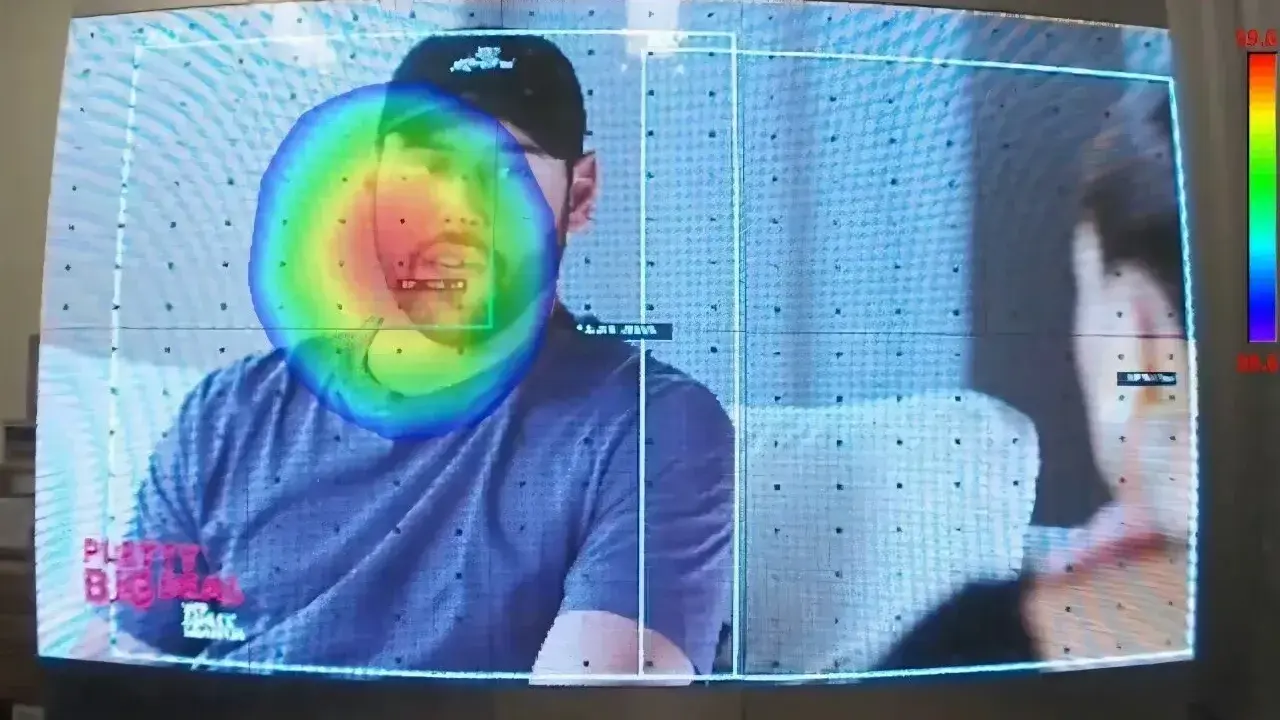
South Korean researchers have unveiled a groundbreaking new display technology that transforms the screen itself into a speaker, enabling sound to precisely follow objects on screen. Developed by a team at the Korea Institute of Machinery and Materials (KIMM), this innovative system eliminates the need for separate external speakers by allowing the display to pinpoint and emit sound from the exact location of its source in real-time. The core of this technology lies in its ability to create a visual-audio experience where sound is intrinsically linked to the visual elements, offering a more immersive and natural viewing experience across various applications.
How the Screen Becomes a Speaker
The novel technology integrates 80 vibration-generating motors, each equipped with a voice coil, into the rear of the display panel. These motors meticulously control vibrations across the screen’s surface. By analyzing the display’s vibrational characteristics, the system calculates the precise electrical signals required for each motor. This targeted approach ensures that only the specific area of the panel needed to produce sound vibrates, rather than the entire screen.
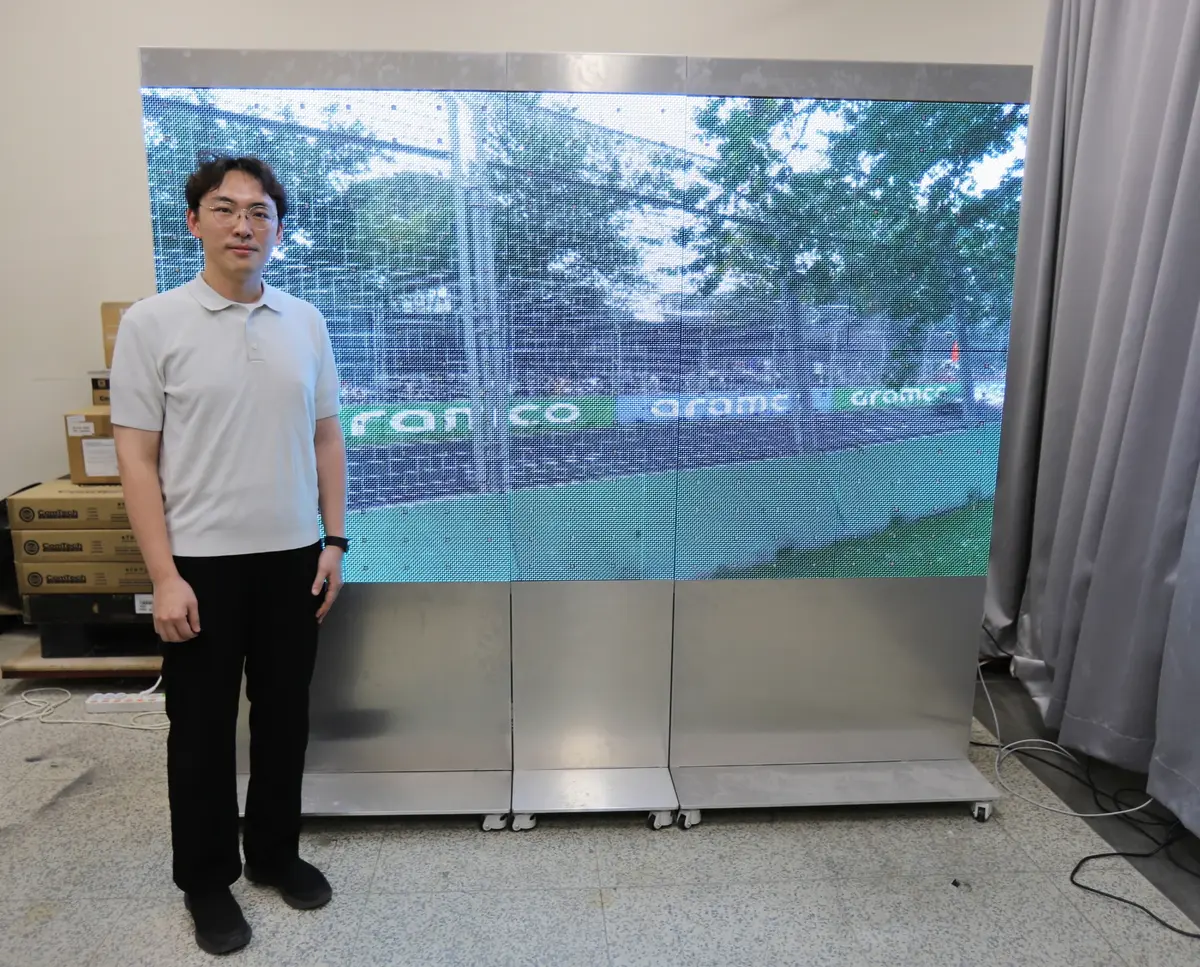
Consequently, as an object moves across the screen, the area from which the sound emanates can shift in real-time to match its position. For instance, in a film, the sound of a car moving from left to right could seamlessly follow the vehicle on screen. Tests conducted by the researchers demonstrated a remarkable 99.9% positional accuracy in generating sound from the designated screen area. Furthermore, the difference in vibration amplitude between active and passive regions can reach up to 35 dB, highlighting the system’s capability to concentrate vibrations with high precision.
To mitigate computational instabilities that can arise during vibration control, the researchers developed a selective excitation algorithm. This algorithm intelligently excludes actuators that are not effectively transmitting vibrations from the calculations, optimizing performance. Additionally, a technique for smoothly merging consecutive sound signals is employed to minimize audio interruptions and noise during real-time processing, ensuring a continuous and clear sound output.
To thoroughly test and showcase the technology, the team constructed a 100-inch prototype that combines a transparent LED display film with an aluminum panel, demonstrating the practical application of their innovations.
Modular Design Enables Widespread Application
Traditional large displays often present a disconnect between the visual source and the audio output, as sound typically emanates from separate speakers positioned away from the screen. This spatial incongruity can diminish the sense of immersion, particularly in films, games, and interactive content. The research team’s development of a modular grid architecture directly addresses these limitations.
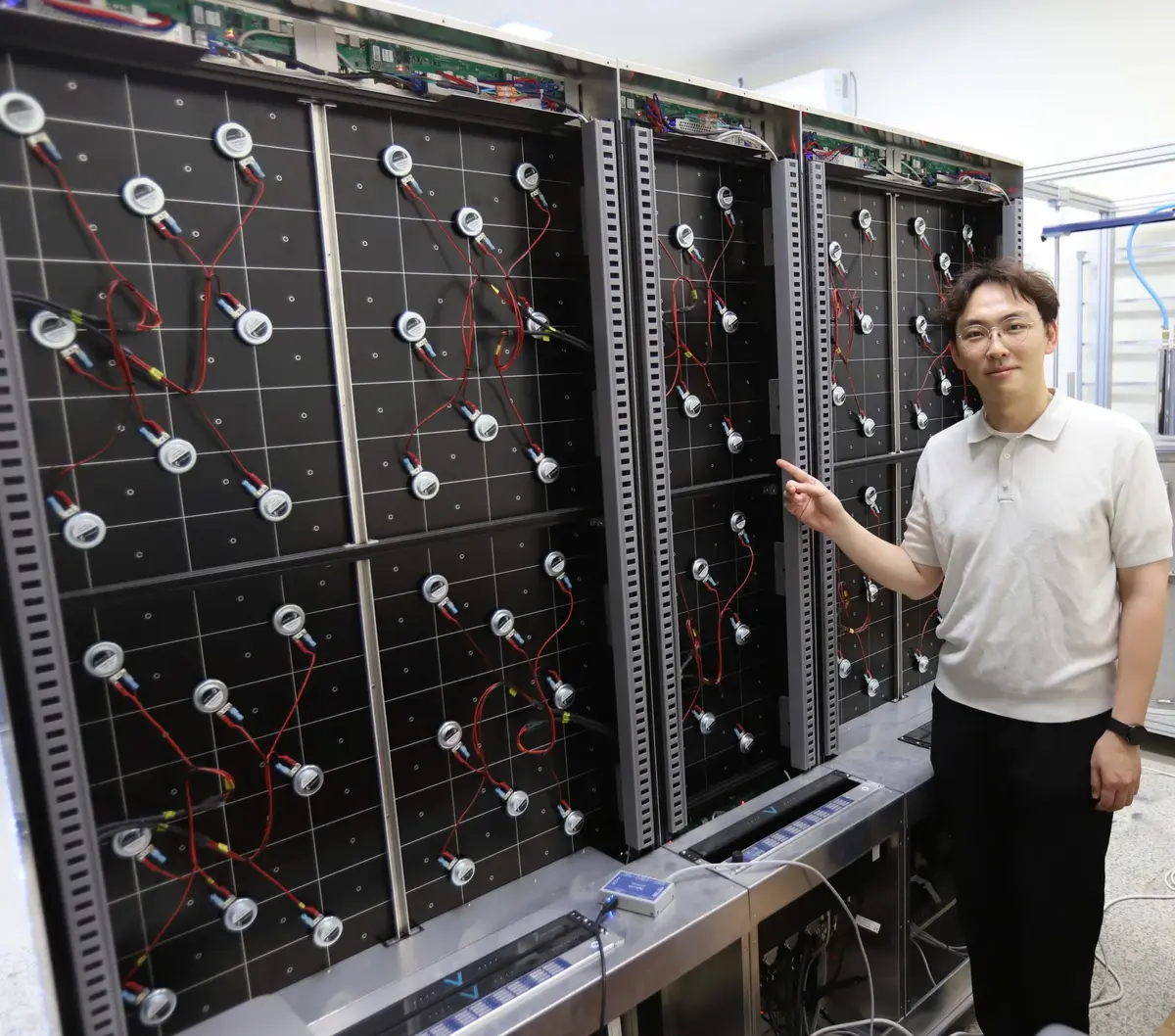
This modular approach allows for the creation of displays in various sizes by combining or separating multiple screen modules. This inherent flexibility means the technology can be adapted for a wide range of applications, from home televisions to large-scale exhibition displays. The synchronized operation of multiple modules also facilitates the generation of low-frequency sound effects, further enhancing the audio experience.
A significant feature of this system is its compatibility with AI-powered sound separation technologies. Artificial intelligence can accurately identify the location and size of sound sources within the visual content. In scenarios with multiple sound sources, AI can isolate the desired sound from others. This separated audio is then reproduced in real-time from the corresponding area on the screen, perfectly aligning the direction of the sound with the location of its source.
Acoustic camera tests have verified the system’s ability to produce sound from precisely targeted points on the display. The researchers anticipate that this new technology will find use in diverse fields such as media art, stage performances, digital signage, and in-car entertainment systems. The ability for sound to originate directly from its on-screen source promises to create a more natural and engaging experience for viewers.
This revolutionary screen technology promises a more integrated audio-visual experience. How do you envision this display-to-speaker innovation changing the future of home cinema or gaming? Share your thoughts in the comments below!
Your comment has been submitted,
it will be published after approval.