
Boosting Real Estate Sales Efficiency With Modern CRM Systems


In the highly competitive real estate sector, successful transactions depend on more than just matching properties with buyers; they require the seamless coordination of lead generation, property management, and closing processes. Real estate professionals often handle dozens of clients simultaneously, making manual tracking both inefficient and prone to missed opportunities. To address this, many agencies are adopting CRM (Customer Relationship Management) systems to centralize their operations. By integrating client communication, portfolio tracking, and sales automation into a single platform, these digital tools enable agents to manage their workflows systematically, reducing human error and ensuring that no potential sale is left unattended in today’s fast-paced market.
- CRM systems centralize disparate client data from various channels into a single, accessible database.
- Automated lead management features allow for the efficient assignment of potential buyers to specific agents based on expertise.
- Real estate businesses utilize specialized software to track property portfolios and automate repetitive follow-up tasks.
- Integrated task management tools improve team coordination and prevent scheduling conflicts between agents.
Real Estate Agencies Face Challenges in Managing Diverse Lead Sources
Real estate offices currently receive inquiries from a multitude of sources, including online classifieds, social media platforms, direct phone calls, and website contact forms. When these leads are managed manually or across different platforms, information becomes fragmented, often leading to delayed responses. If a client inquires about multiple properties over several days, an agent without a centralized record may fail to recall prior preferences or budget constraints. A robust CRM system mitigates this by maintaining a chronological history of all interactions, allowing agents to provide personalized service based on the client’s actual history and stated needs.
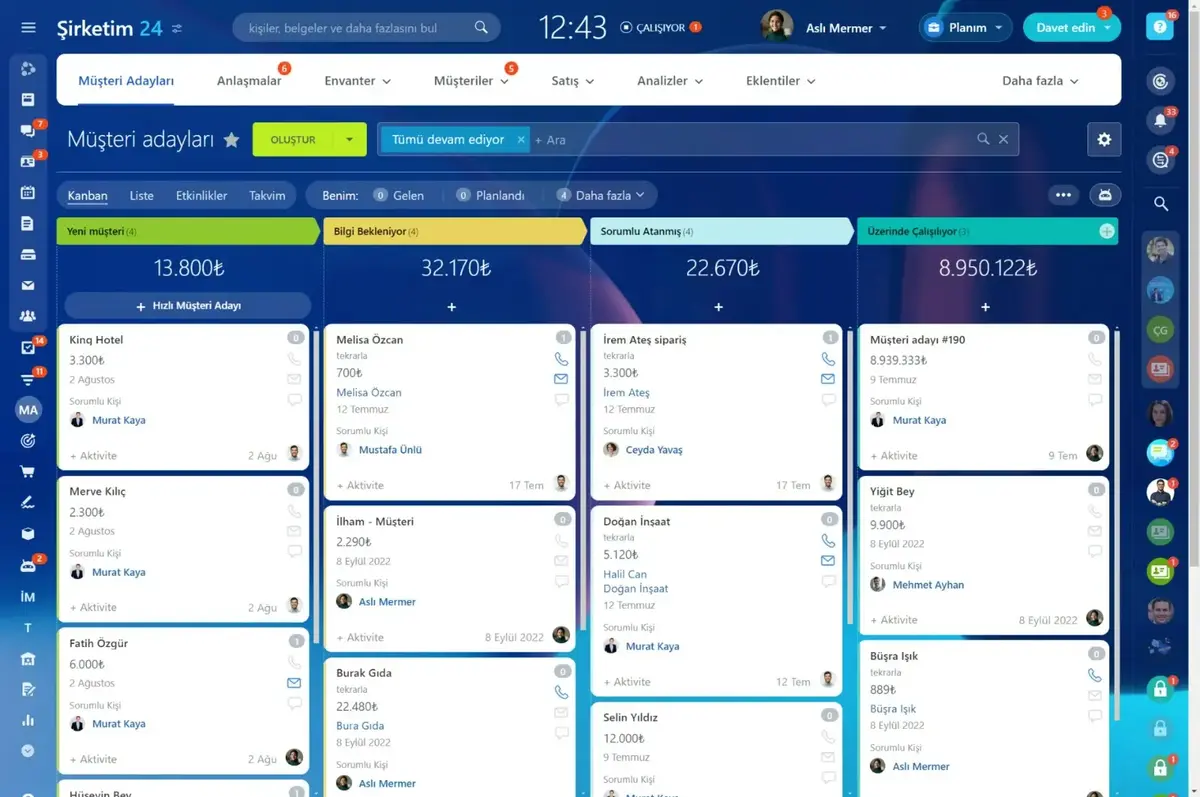
Potential Buyers Are Efficiently Routed to Specialized Agents
Effective lead management relies on directing the right client to the most qualified agent. CRM platforms facilitate this by applying automated rules that assign new inquiries to staff based on property types, geographic locations, or specific agent expertise. By automating these assignments, agencies ensure that no lead is ignored and that multiple agents do not inadvertently contact the same individual. This systematic approach not only increases the speed of response but also enhances internal accountability, as management can monitor the distribution and status of every lead within the office.
Property Portfolios Are Integrated Into Centralized Digital Systems
Beyond customer interactions, agents must manage vast portfolios of listings, ensuring that details like pricing, photos, and availability remain accurate. When such data is stored in scattered documents, confusion over property status is inevitable. Specialized CRM solutions allow agencies to store comprehensive property data in structured formats. Platforms like Bitrix24 provide tools for managing these portfolios while linking them directly to client records, ensuring that agents can quickly propose relevant listings during client consultations.
Sales Processes Are Streamlined Through Automation
Real estate sales involve multiple stages, from initial contact to final contract signing. Automated workflows allow agencies to set triggers that schedule follow-up calls or send reminders for property viewings. These tools prevent essential steps from being overlooked during the busy closing phase, ensuring consistent communication. By automating routine administrative tasks, agents can dedicate more time to high-value activities like relationship building and negotiation.
Team Coordination Is Improved Through Digital Tools
Coordinating tasks and calendars across a team of agents is critical to avoiding missed appointments. CRM-integrated task management tools allow managers to oversee individual workloads and ensure that all client-related tasks are completed on time. This visibility into team operations helps balance the workload and identifies potential bottlenecks in the sales funnel.
How has the transition to digital CRM tools changed the way your real estate team handles client communication and daily operations? Share your experiences and insights in the comments section below.
Your comment has been submitted,
it will be published after approval.