
Fergani Space Successfully Deploys Its Sixth Satellite FRG-100D4

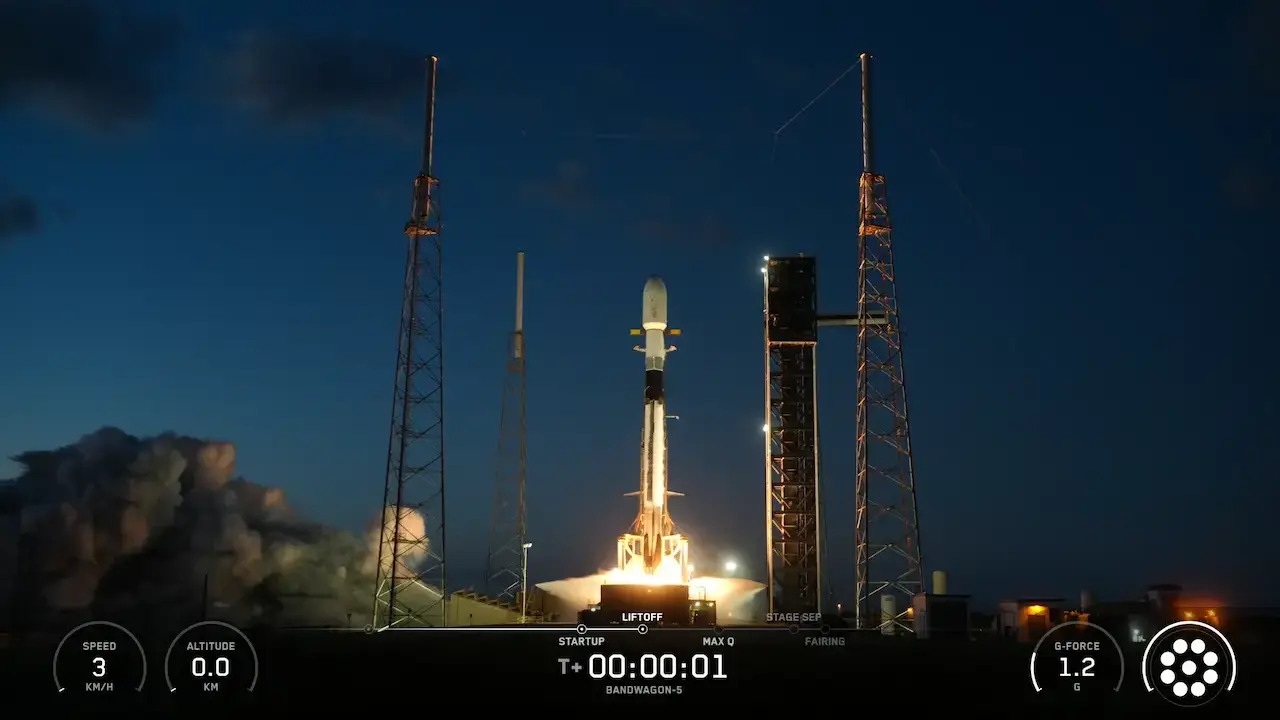
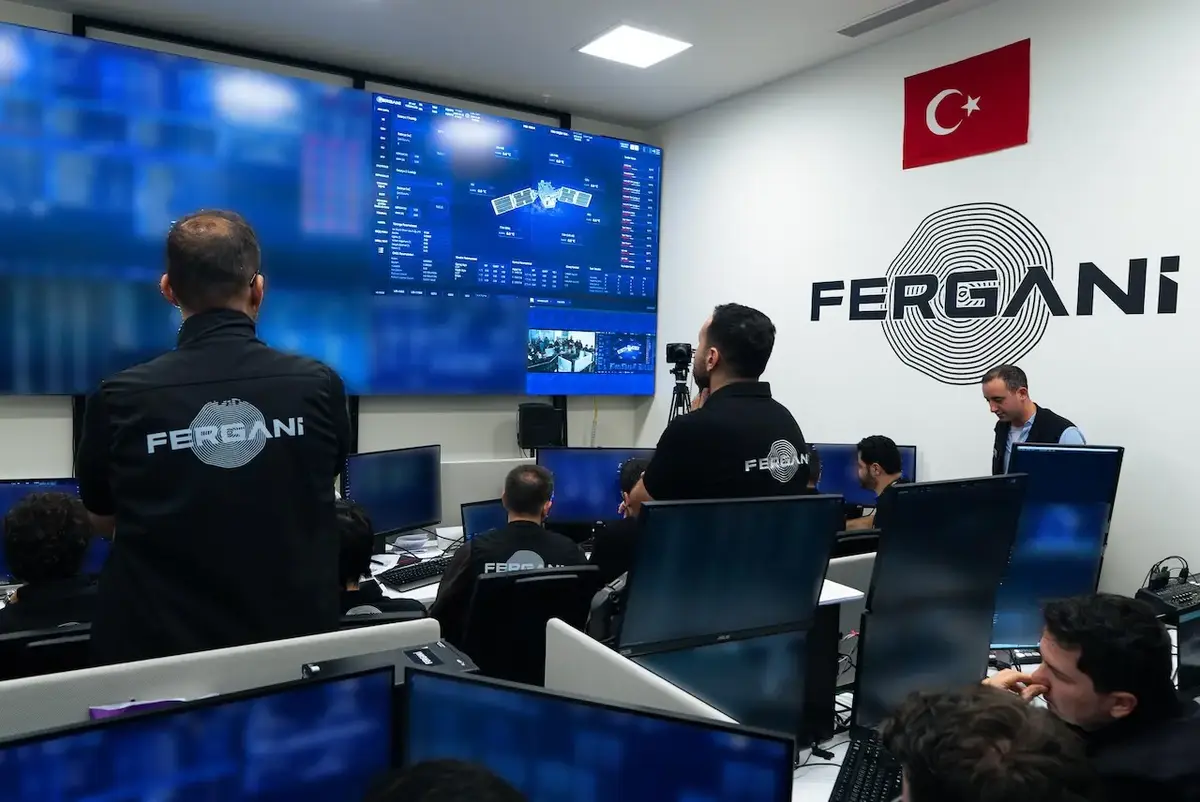
Fergani Space Technologies, founded by Baykar Chairman Selçuk Bayraktar, has successfully launched its sixth experimental satellite, FRG-100D4, into orbit. The launch took place via SpaceX’s Bandwagon-5 mission from the Cape Canaveral Space Force Station. The 160-kilogram next-generation satellite was placed into its target orbit at an altitude of 590 kilometers, marking a significant milestone for Turkish aerospace engineering. This mission serves as a critical step in the company’s ongoing efforts to establish indigenous space capabilities and reinforces Turkey’s growing presence in the competitive global space race through advanced domestic engineering and strategic technological investments.
- The FRG-100D4 satellite successfully reached its designated 590-kilometer orbit using a SpaceX launch vehicle.
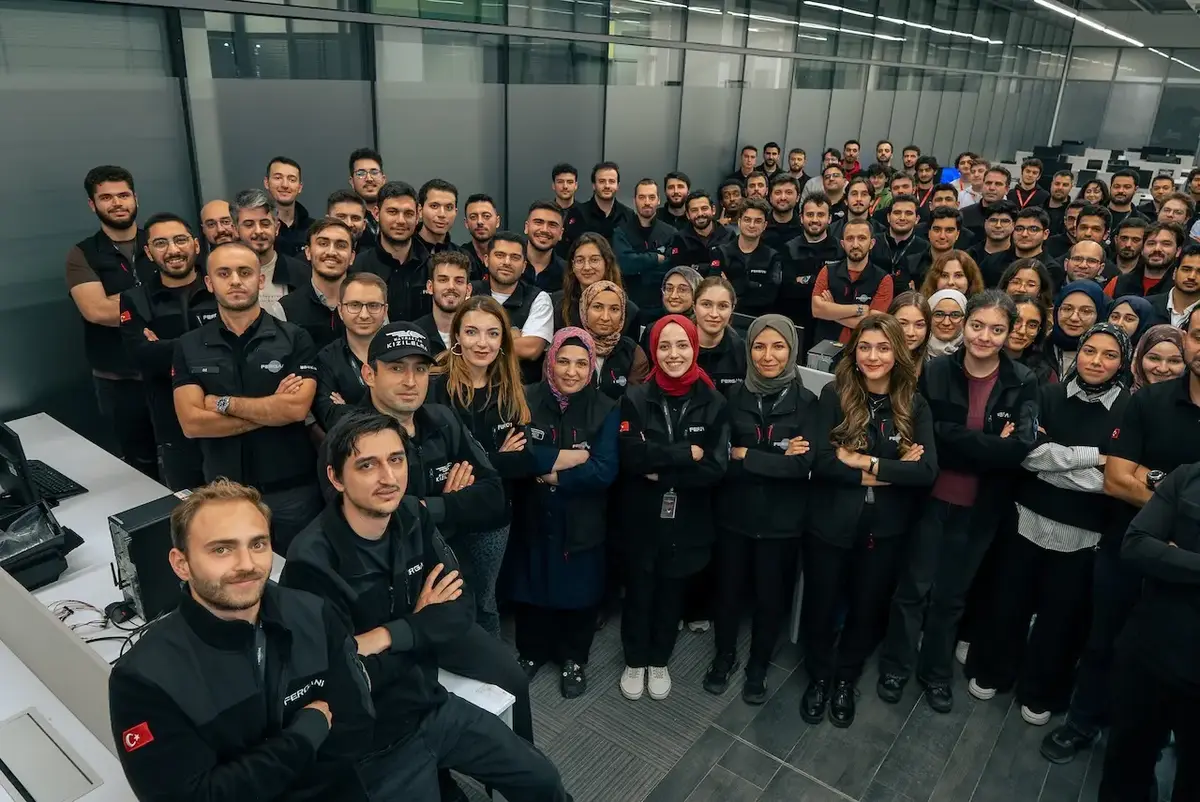
- This mission marks the sixth successful satellite deployment for Fergani Space in less than two years.
- The satellite incorporates an AI-powered mission computer alongside advanced regenerative modem and phased array antenna technologies.
- Fergani aims to complete the Uluğ Bey constellation, which will consist of over 200 satellites within the next five years.
Advanced Avionics are Tested in Orbit
The FRG-100D4 represents the highest level of technological maturity achieved by Fergani Space to date. By carrying subsystems developed entirely in-house, such as reaction wheels, magnetic torque rods, magnetometers, and inertial measurement units, the mission provides essential flight heritage for future deep-space endeavors. 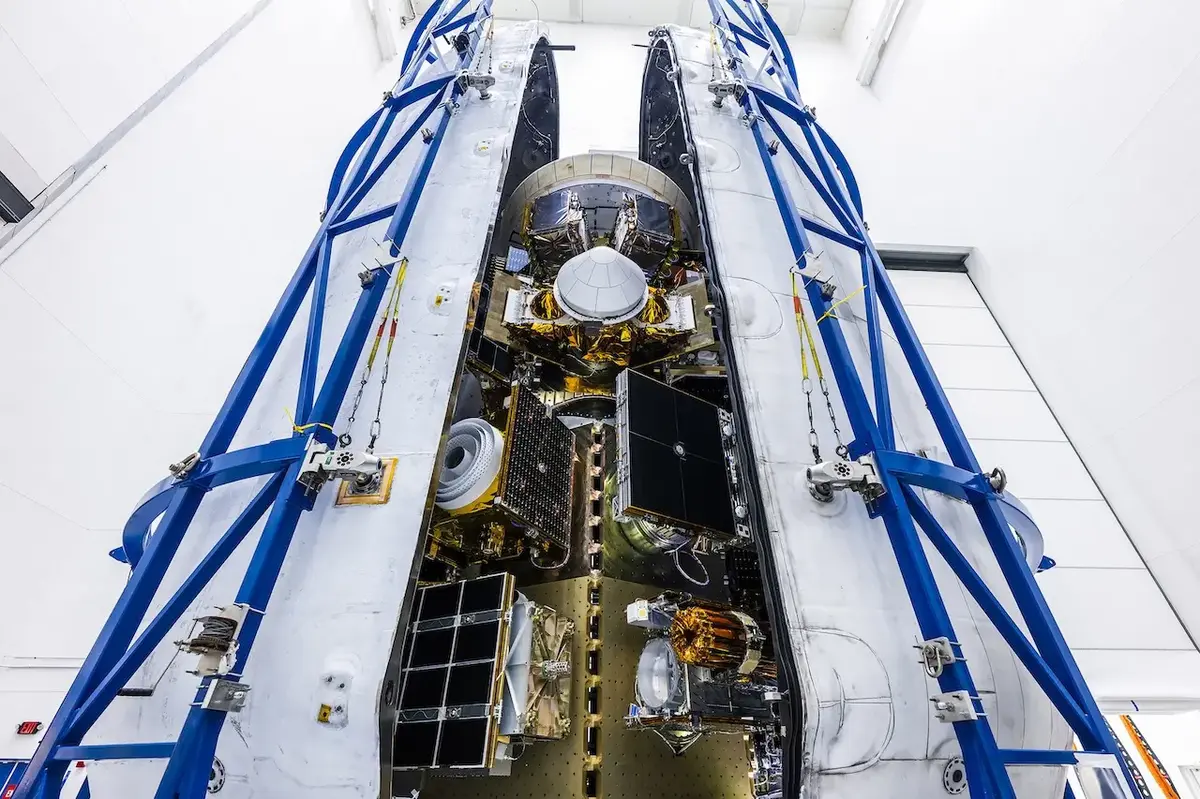 These components are crucial for ensuring the reliability of upcoming, more complex missions. Furthermore, the inclusion of a GNSS receiver and steerable solar panels allows the platform to maintain optimal energy efficiency while performing its designated tasks. By testing these critical systems in the harsh vacuum of space, the company validates its engineering designs against real-world environmental stressors.
AI Capabilities Enhance Mission Operations
Beyond its structural hardware, the satellite is equipped with a sophisticated AI-powered mission computer. 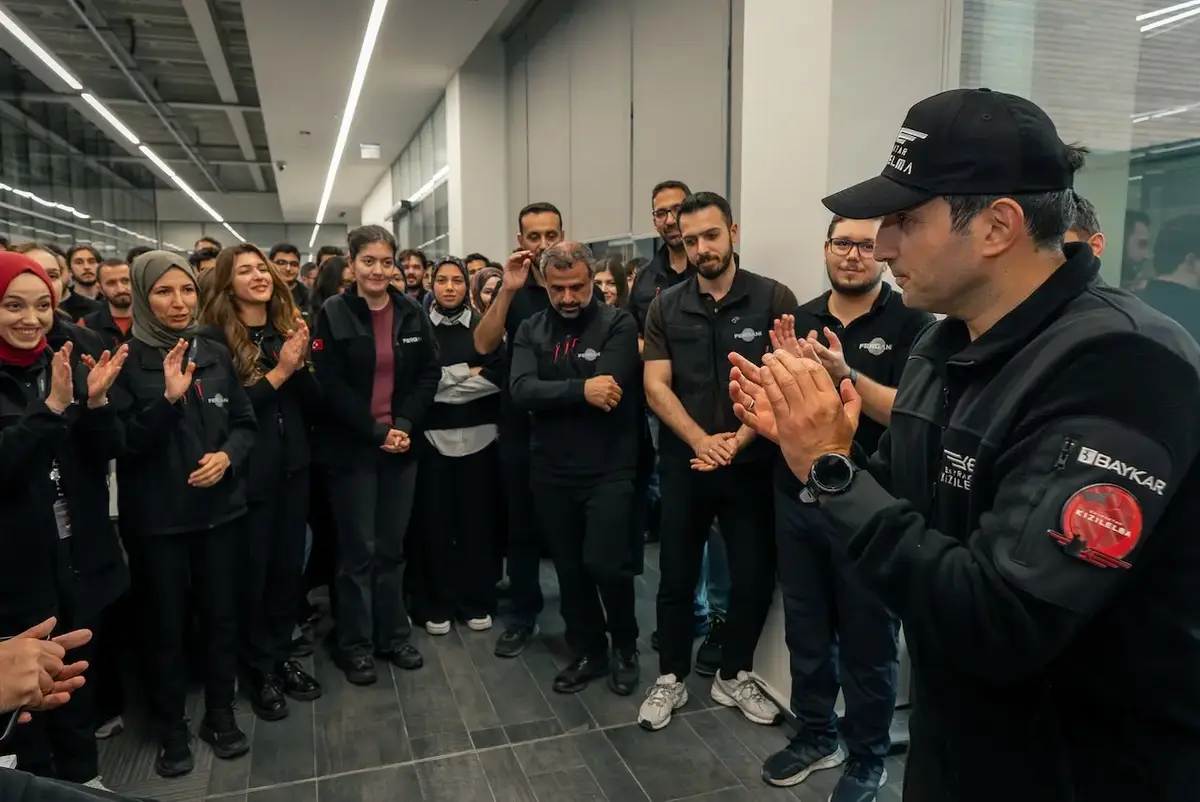 This system is designed to perform autonomous decision-making and real-time data analysis, transforming the satellite from a simple data relay into a highly capable orbital processing hub. The integration of a regenerative modem and phased array antenna ensures robust communication links, even under challenging conditions.
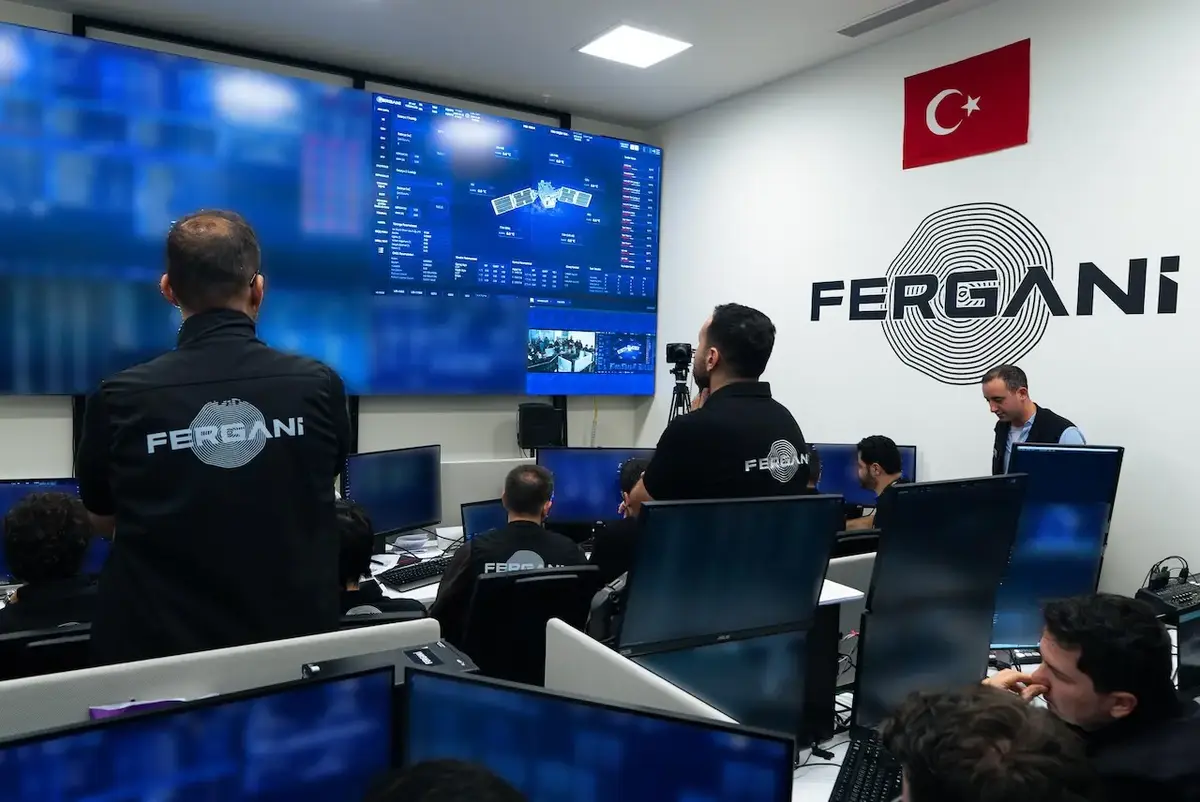 This processing power is a cornerstone of Fergani’s strategy to build a high-performance space infrastructure that can handle complex analytical workloads independently.
Uluğ Bey Project Targets Global Connectivity
Fergani Space is actively developing the Uluğ Bey constellation, an ambitious project that aims to deploy over 200 satellites within the next five years. The FRG-100D4 mission serves as a foundational element of this network, providing the necessary navigation and broadband communication capabilities required for such a large-scale architecture. 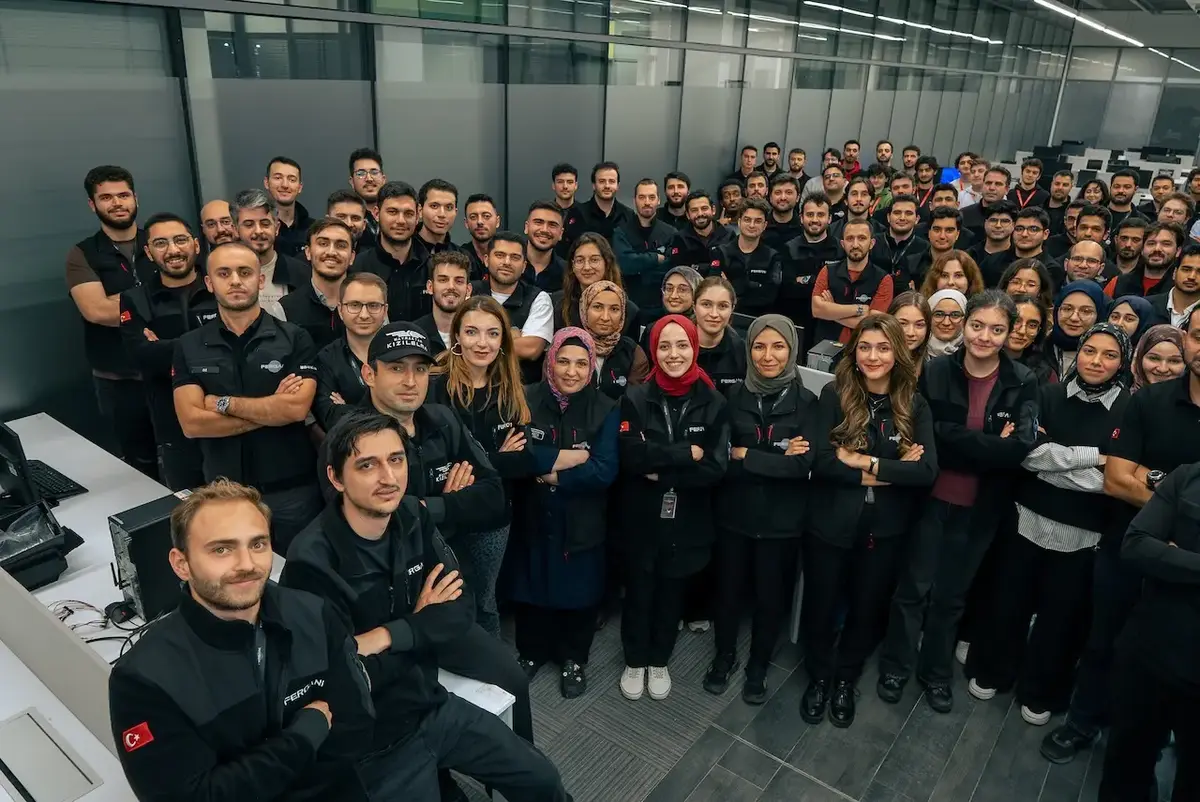 Once fully operational, this constellation will grant Turkey independent global positioning and secure communication services.
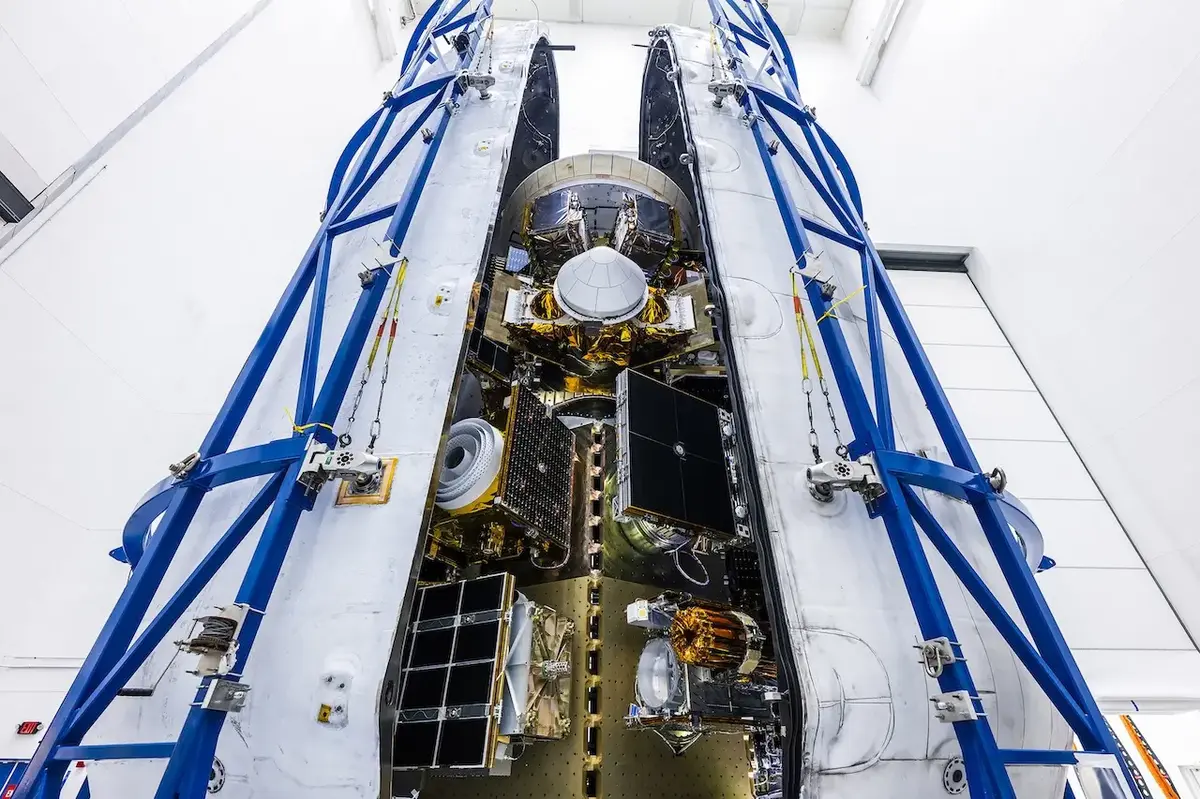 The company also plans to offer these services to partner nations, strengthening geopolitical ties through shared technological infrastructure.
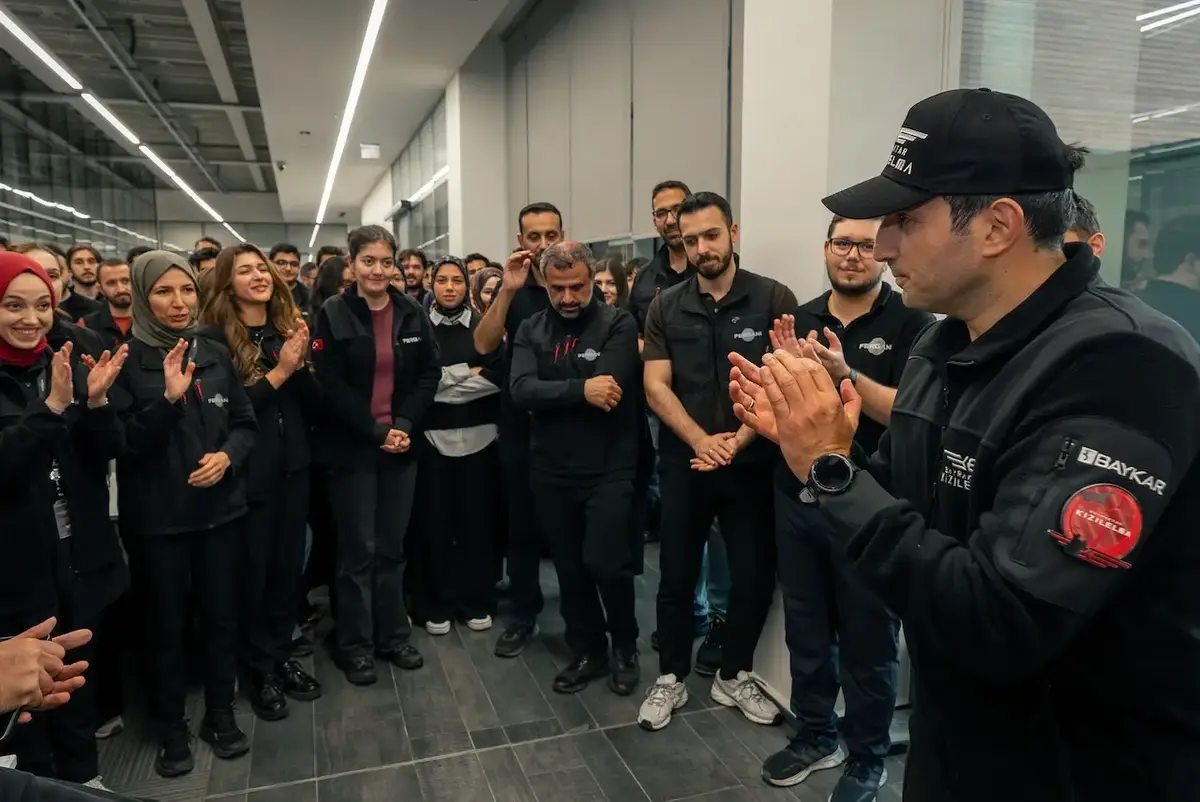 As the team continues to refine its satellite designs, the simultaneous development of a national launch vehicle remains a top priority to ensure end-to-end mission autonomy.
We would love to hear your thoughts on the rapid progress of Turkey’s space program and the potential impact of the Uluğ Bey constellation; please share your views in the comments section below.
Your comment has been submitted,
it will be published after approval.