
Nintendo Switch 2 Jailbroken: AI and $25 Game Exploit Console

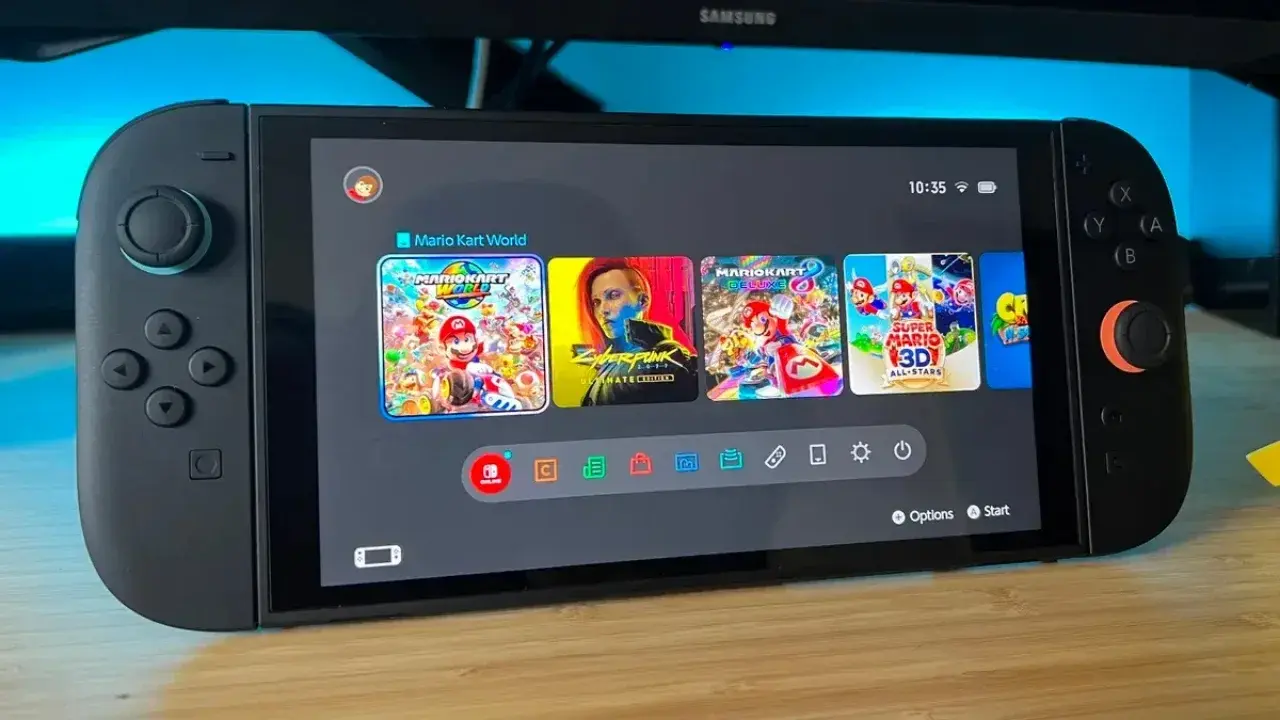
The Nintendo Switch 2 has reportedly been jailbroken, a significant security breach revealed by an anonymous user known as ‘pepsipu’. This exploit was achieved through a combination of artificial intelligence support, specifically leveraging capabilities from OpenAI, and the use of SmileBASIC 4, a game development tool available for $25 on the Nintendo eShop. This development places Nintendo’s upcoming console in the spotlight for security vulnerabilities, drawing parallels to recent jailbreak incidents involving the PlayStation 5, and raises questions about the integrity of digital storefronts and console security.
- The Nintendo Switch 2 has been reportedly jailbroken using AI assistance and a $25 eShop software purchase.
- The jailbreak method is described as ‘tethered’, meaning its effects are lost when the console is powered down.
- Users have expressed concerns that this development could jeopardize independent game developers’ livelihoods and potentially lead to leaks of future game releases.
How the AI-Powered Breach Was Achieved
The jailbreaking of the Nintendo Switch 2 heavily relied on sophisticated artificial intelligence technologies. The anonymous user ‘pepsipu’ explicitly stated that they utilized functionalities provided by OpenAI to facilitate this process. A crucial component in the exploit was SmileBASIC 4, an application sold for $25 on the Nintendo eShop, designed as a game development program. The flexibility offered by this program, combined with AI capabilities, seemingly created a pathway to bypass the console’s security protocols. This scenario is not entirely unprecedented, as similar methods have been used to jailbreak consoles on various platforms before. It highlights how developer tools like SmileBASIC 4, intended for creative purposes, can unexpectedly be repurposed for different, unauthorized uses.
Initial Modding Efforts Followed the Jailbreak
Following the successful jailbreak of the console, users quickly began to implement various popular character modifications into games. These initial mods included integrating Sanrio’s Cinnamoroll, Family Guy character Peter Griffin, and the popular J-pop icon Hatsune Miku into the Mario Kart World game. Such modifications are common within gaming communities, often driven by a desire to personalize and enhance the gaming experience. However, this situation is viewed as a concerning development, particularly for original content creators and independent developers. The increasing prevalence of AI-supported jailbreak attempts poses potential risks to game copyrights and their commercial value.
Nintendo’s Anticipated Response and Security Concerns Are Rising
Nintendo is widely expected to respond swiftly to these jailbreak attempts. In the past, the company has acted quickly to eliminate vulnerable software or methods when faced with similar situations. Therefore, it is highly probable that Nintendo will remove tools like SmileBASIC 4 or any other files associated with the jailbreak from its eShop. Furthermore, the nature of this specific jailbreak is described as ‘tethered’, meaning its effects are temporary and disappear each time the console is shut down. This characteristic suggests that it is not a permanent solution, requiring users to repeat the process every time they want to activate the exploit, thereby limiting its widespread accessibility. Nonetheless, it still signifies a security breach that could open doors for future potential attacks on the console’s overall security. With the growing use of artificial intelligence, worries about games being leaked before their official release are also being voiced.
Community Reactions and Ethical Debates Emerge
The news of the Nintendo Switch 2 jailbreak has sparked diverse opinions within the gaming community. Some users have voiced concerns that this development disrespects creators’ efforts and could specifically threaten the livelihoods of independent game developers. Such ethical considerations are frequently raised at the intersection of technology and art. On the other hand, the involvement of artificial intelligence in these processes has fueled anxieties about larger security issues, such as the potential for early leaks of future game releases. This situation creates a significant area of debate, particularly concerning data security policies for major game companies. In an era where PlayStation 5 jailbreak news is also circulating, the security of game consoles and the risks introduced by digitalization are gaining increasing importance.
What are your thoughts on this AI-backed hacking attempt and the role a $25 software played in breaching the Nintendo Switch 2’s security? Do you believe this development will have positive or negative implications for the gaming world? Share your opinions in the comments below.
Your comment has been submitted,
it will be published after approval.