
Apple Tests Under-Display Face ID for iPhone Duo 2

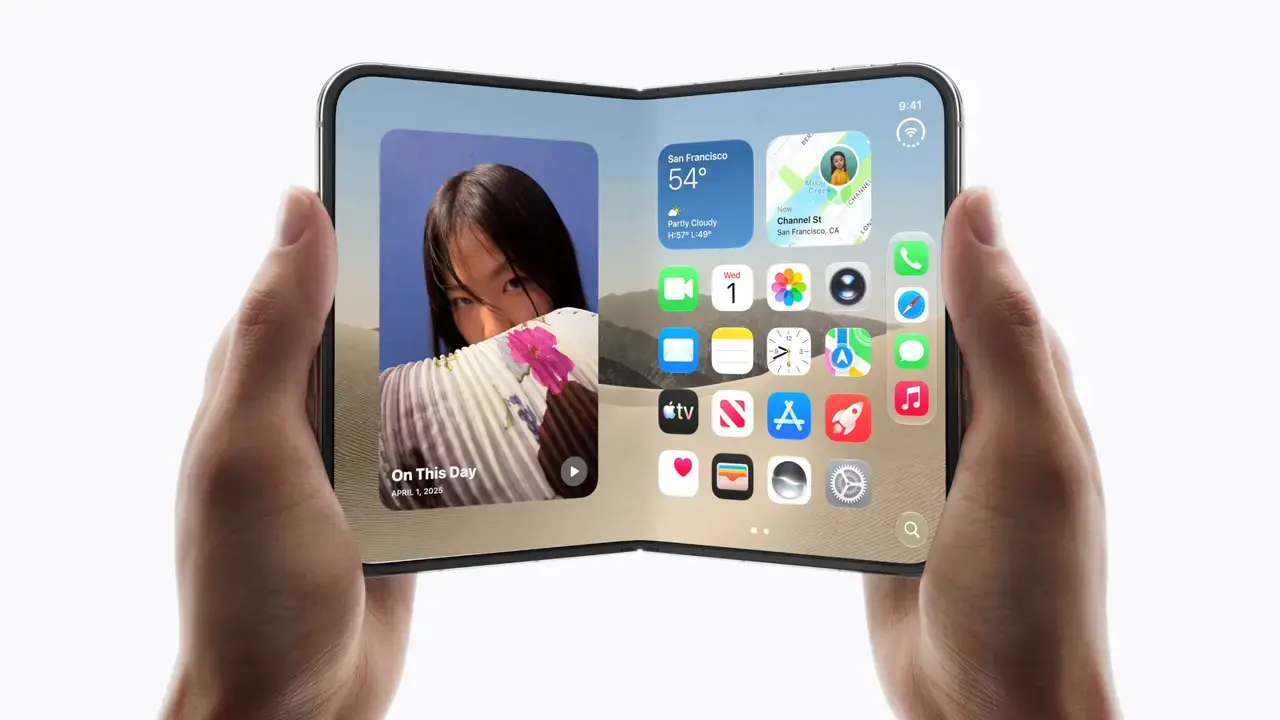
Apple is actively developing the next iteration of its foldable smartphone, the iPhone Duo, with recent reports from Bloomberg’s Mark Gurman confirming that the company is currently testing under-display Face ID technology. As the tech giant refines its strategy for the foldable market, these second-generation prototypes aim to shift from the side-mounted fingerprint sensor featured in the original model to a more seamless biometric authentication system. Expected to launch in the fall of next year, the upcoming iPhone Duo 2 represents a significant design evolution, as Apple seeks to integrate complex depth-sensing components directly beneath the front screen panel.
- Apple is testing under-display Face ID technology for its second-generation iPhone Duo prototypes.
- The company intends to replace the current side-mounted fingerprint scanner with an advanced facial recognition system.
- Future hardware iterations may include the addition of an Action button to enhance user control.
- Engineers are optimizing internal components to accommodate sophisticated sensors within a thin foldable chassis.
Under-Display Tech Challenges Current Design Limits
The original iPhone Duo design is notable for its incredibly thin profile, which has historically complicated the placement of bulky depth-sensing hardware. While the first-generation device relies on a side-integrated physical fingerprint reader—a design choice similar to some iPad models—this approach has faced scrutiny regarding overall ease of use. By shrinking the necessary hardware components and utilizing AI-driven image processing, Apple engineers are working to overcome these physical constraints.
This transition toward under-display technology marks a pivotal moment in the device’s development cycle. By successfully embedding the Face ID array, Apple hopes to offer a cleaner, more intuitive user experience that aligns with the high-end standards of its traditional flagship smartphones. However, the physical challenge of maintaining a folding display while housing sensitive optical sensors remains a significant hurdle for the engineering team.
New Features Are Expected to Improve User Experience
Beyond the integration of Face ID, Apple is exploring further functional upgrades for the iPhone Duo lineup. Reports suggest that the company is considering the inclusion of an Action button, which would provide users with a customizable interface for frequently used tasks. This hardware addition could significantly improve the versatility of the device, making it more than just a novelty foldable.
Furthermore, internal adjustments to the architecture could eventually pave the way for specialized camera hardware, such as an improved telephoto lens. While these features are still in the testing phase, they demonstrate Apple’s ambition to bridge the gap between premium foldable technology and the high-performance capabilities of the standard iPhone series. The company continues to evaluate the feasibility of these additions for the final retail version.
Market Competition Influences Future Development Plans
With the first-generation iPhone Duo reaching the market at a starting price of $1,999, the foldable phone landscape is experiencing intense competition. Apple is closely monitoring initial consumer feedback and performance metrics to guide its decisions for the second-generation model. The company’s commitment to refining its hardware suggests that it views the foldable segment as a core pillar of its future mobile strategy. Industry analysts and consumers alike remain eager to see how Apple balances these complex technological advancements with the aesthetic requirements of a foldable device.
How do you feel about Apple moving toward under-display Face ID technology for its foldable lineup? Do you believe this change will significantly improve the daily usability of the iPhone Duo, or do you prefer the reliability of a physical fingerprint sensor? Please share your thoughts and expectations in the comments section below.
Your comment has been submitted,
it will be published after approval.