
Russia Integrates Artificial Intelligence into Warplane Design Processes

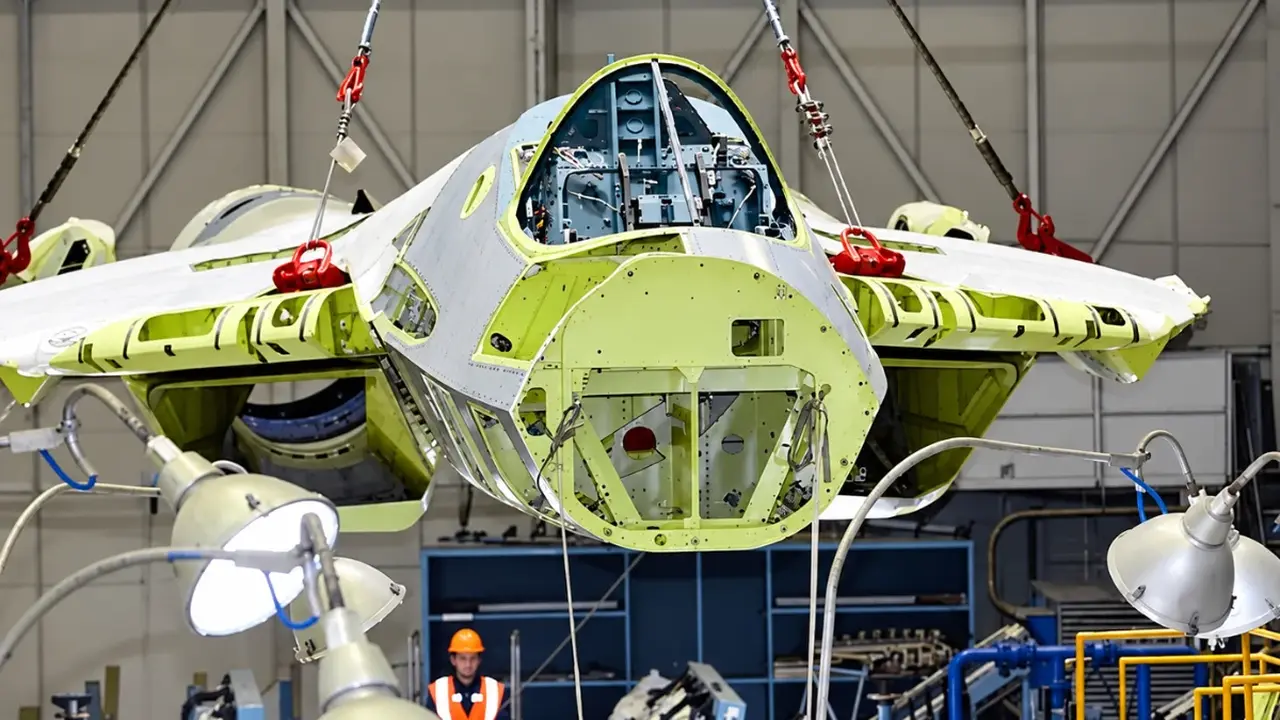
The United Aircraft Corporation (UAC) of Russia has officially initiated a strategic move to incorporate artificial intelligence (AI) technologies into its aviation design and production processes. Aiming to accelerate development cycles and reduce engineering costs, the state-owned giant is currently evaluating AI-powered software for its sophisticated fleet, including the Su-57 and Su-35 fighter jets, as well as the MC-21 passenger aircraft. By adopting digital engineering tools, UAC seeks to analyze a broader spectrum of design configurations and optimize structural calculations, marking a significant shift toward automated aerospace manufacturing in the country.
- The UAC is piloting the use of the Sberbank-developed GigaChat model to assist in the early stages of aircraft design.
- Digital engineering methods have successfully reduced the time required for specific system calculations from months to mere days.
- Russia has transitioned to domestic software solutions to replace Western platforms that were withdrawn following the 2022 geopolitical shifts.
- The certification for the fully localized version of the MC-21 passenger jet is now scheduled for completion by the end of 2027.
GigaChat is Currently Undergoing Design Testing
In a pilot project launched in mid-2026, UAC leadership has integrated the GigaChat model to explore generative design capabilities. This technology serves as an assistant to human engineers, providing support in the preliminary phases of aircraft development. While the current application is limited to conceptual design, future plans involve extending the use of AI to complex aerodynamic simulations and structural integrity assessments.
UAC’s lead designers emphasize that artificial intelligence is utilized in a controlled manner to solve specific engineering challenges. By leveraging these digital tools, engineers can compare various fuselage configurations and examine large datasets more efficiently than traditional manual methods allowed.
Calculation Timelines are Reduced Significantly
Data provided by UAC indicates that digital transformation is yielding tangible results. Technical tasks, such as calculating cabin thermal balances and complex hydraulic network flows, which previously required months of manual work, are now being finalized in a matter of days. This shift does not imply that AI is designing entire aircraft independently; rather, it highlights the enhancement of digital modeling tools that empower engineering teams to work with unprecedented speed and precision.
Domestic Software Replaces Western Technology
The acceleration of this digital shift is largely a response to the withdrawal of major Western software providers like Siemens and Dassault Systèmes. To maintain operational continuity, UAC has equipped approximately 4,000 engineering workstations with native Russian software. This transition necessitated a complete overhaul of the organization’s product lifecycle management systems, ensuring that design bureaus can continue their work without relying on restricted foreign technologies.
MC-21 Certification Remains a Priority
The integration of AI occurs against a backdrop of ongoing challenges in Russia’s civil aviation sector. The MC-21 program, a cornerstone of the nation’s efforts to achieve technological self-sufficiency, has faced delays due to the need to replace imported components with domestic alternatives. Government officials have confirmed that the final certification for the all-Russian iteration of the MC-21 is targeted for late 2027, as engineers work to overcome structural hurdles.
How do you evaluate the potential impact of artificial intelligence on the future of aviation safety and design speed? We invite you to share your thoughts on whether AI can truly replace traditional human-led engineering processes in the comments section below.
Your comment has been submitted,
it will be published after approval.