
US RTX Quadruples Critical Missile Production Capacity in $70B Deal

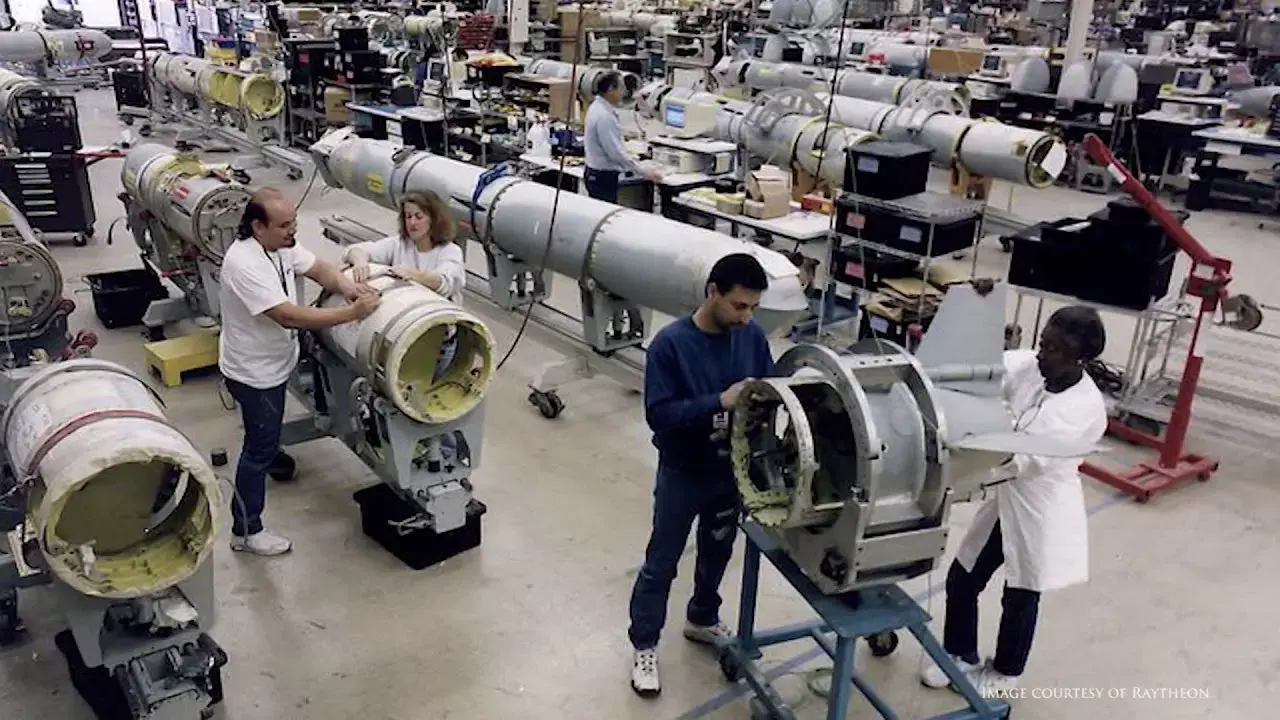
The United States is undertaking one of its most significant defense industrial base expansions to date, as RTX Corporation secures multi-year contracts worth approximately $70 billion from the Department of Defense. Announced during the company’s third-quarter earnings report, this initiative aims to increase the production output of four critical missile systems by two to four times their current levels. By investing heavily in new manufacturing facilities, advanced testing equipment, and supply chain logistics, RTX intends to ensure long-term demand visibility over the next decade. This strategic move addresses the urgent need to replenish US military stocks and fulfill international procurement requests for high-priority weaponry.
- RTX secured $70 billion in multi-year defense contracts to ramp up the production of four primary missile systems.
- The initiative aims to increase manufacturing output by two to four times current levels to meet global demand.
- Production capacity for Tomahawk and AMRAAM missiles will reach 1,000 and 1,900 units annually, respectively.
- The company added 150 new suppliers to its network in 2025 to support the accelerated production schedule.
Four Critical Missile Systems Receive Increased Funding
The expansion plan focuses on four essential systems that serve distinct operational roles within the US military and its allied forces. The Tomahawk, a long-range cruise missile launched from naval vessels and submarines, leads the list alongside the AIM-120 AMRAAM, which serves as a cornerstone for air-to-air combat and ground-based NASAMS air defense. Furthermore, the multi-role SM-6 and the ballistic missile interceptor SM-3 Block IB are slated for significant production growth. While each system serves unique requirements, all four are considered vital for maintaining high-priority defensive and offensive capabilities.
Production Targets for Tomahawk and AMRAAM Reach New Heights
RTX management, led by CEO Chris Calio, confirmed that the Tomahawk program has secured $23 billion in orders, while the AMRAAM program follows with over $14 billion. The company has set an ambitious goal to produce over 1,000 Tomahawk missiles annually to bolster long-range precision strike capabilities. Similarly, the contract for AMRAAM specifies a production rate of at least 1,900 units per year. These figures reflect a concerted effort to ensure that the US and its international partners possess sufficient inventory for high-intensity scenarios.
Defense Infrastructure and Supply Chains Expand Rapidly
The initiative extends beyond mere factory output, as the company is fundamentally restructuring its supply chain and testing procedures. CFO Neil Mitchill stated that the capacity expansion will accelerate over the next two years and continue through 2030. To facilitate this, RTX is simplifying verification processes, integrating new suppliers, and securing critical raw materials. By adding 150 new companies to its supplier network in 2025, the defense giant is ensuring that its sub-contractors are equally prepared to handle the increased tempo of production required for national security.
Future Defense Needs Drive Long-Term Investments
With critical ammunition production increasing by over 90% throughout 2026, the current strategy highlights the importance of long-term planning in the face of modern geopolitical challenges. RTX’s multi-year agreements provide the financial stability needed to sustain these intensive industrial efforts. Ultimately, the successful delivery of these missiles hinges on consistent budget appropriations, the continued performance of the extended supply chain, and the rapid deployment of new manufacturing infrastructure by the end of the decade.
As the US moves to significantly boost its missile production capabilities, what impact do you believe this rapid industrial expansion will have on global defense dynamics? Share your thoughts on this major shift in military supply strategy in the comments section below.
Your comment has been submitted,
it will be published after approval.