
STM NETA 300 Successfully Detects Underwater Mines During Naval Exercise

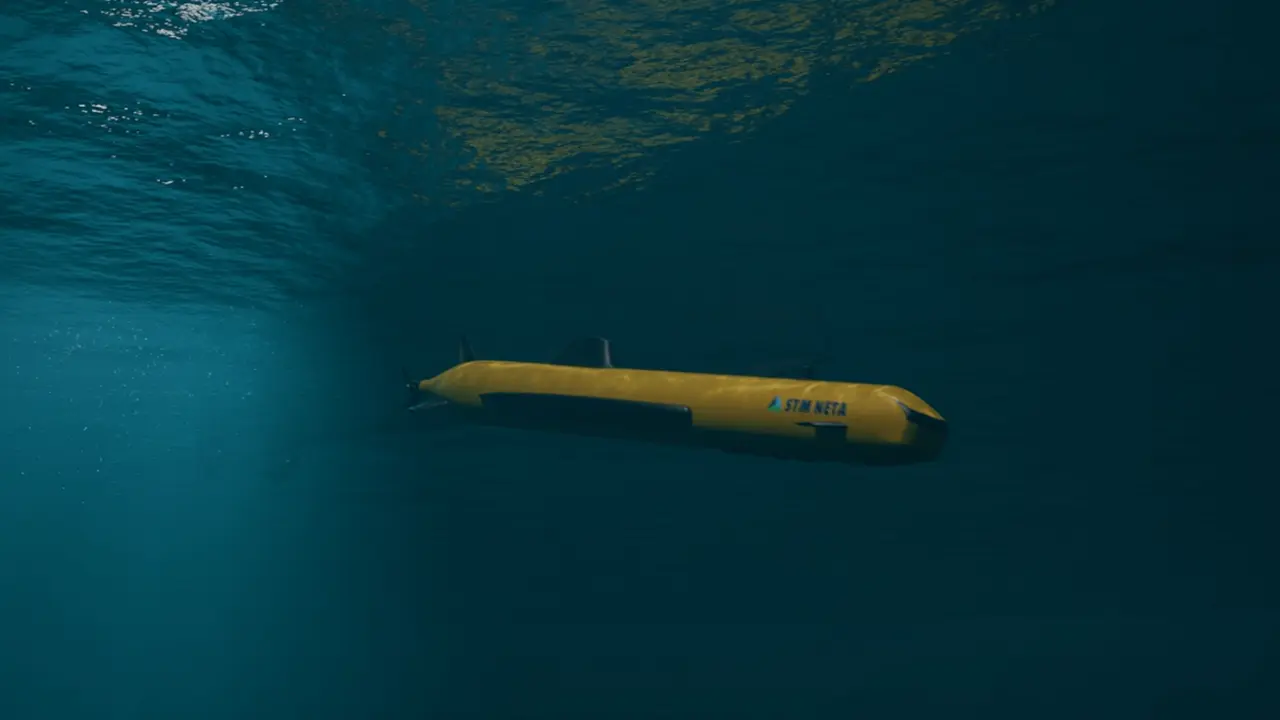
During the TURNAs-2026 Unmanned Naval Systems Exercise held between October 19 and 27, 2026, the NETA 300 Light Autonomous Underwater Vehicle (AUV), developed by STM Savunma Teknolojileri Mühendislik ve Ticaret AŞ, successfully completed its mission of identifying underwater mines in the Antalya Gulf and the Eastern Mediterranean. By utilizing advanced sonar technology, the NETA 300 autonomously scanned designated routes to identify potential underwater threats, effectively demonstrating its operational capability in securing maritime navigation. This achievement marks a significant milestone for the Turkish Naval Forces as they continue to integrate cutting-edge autonomous solutions into their defensive strategies to minimize personnel risk during dangerous mine-clearing operations.
- The NETA 300 AUV autonomously identified and classified various underwater mine threats during the TURNAs-2026 exercise.
- The vehicle features a modular design capable of operating at depths of up to 300 meters for a continuous duration of 24 hours.
- STM showcased a suite of additional autonomous systems, including the BOYGA, TOGAN, and KARGU platforms, throughout the naval drill.
NETA 300 Enhances Underwater Detection Capabilities
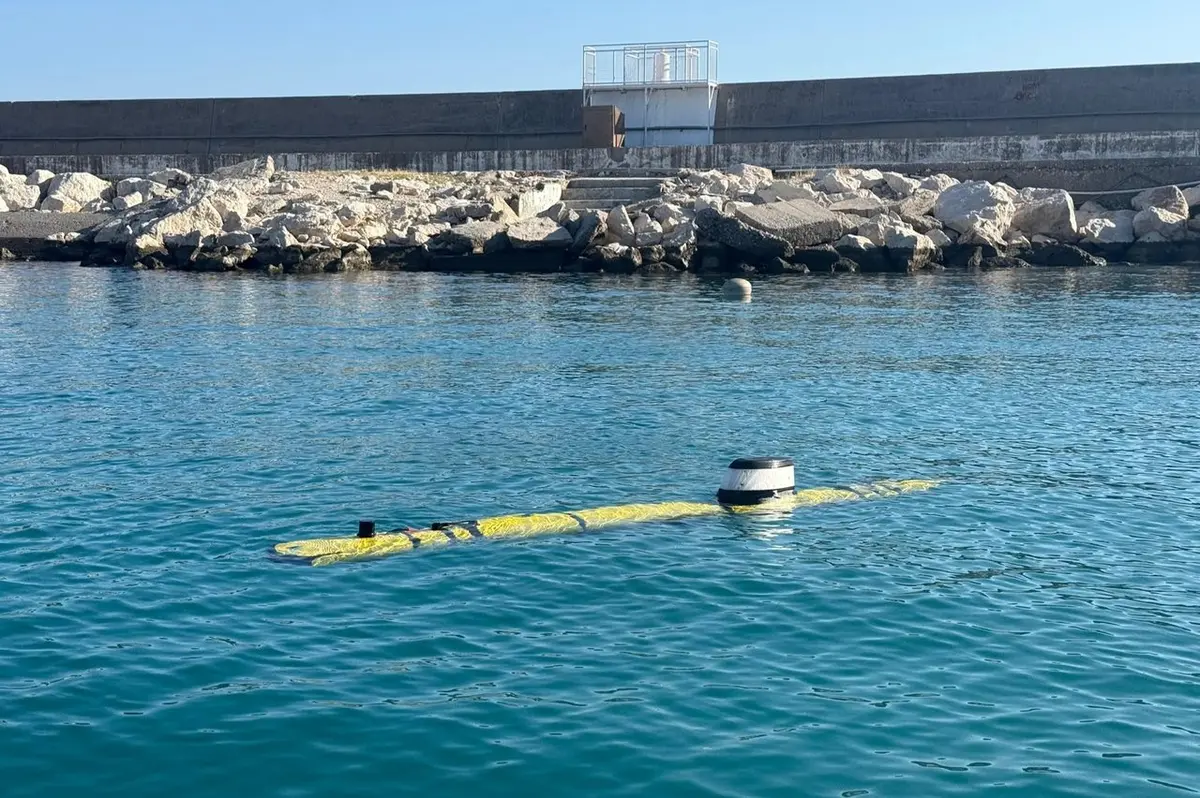
The operational success of the NETA 300 relies on its sophisticated sensor suite, which allows for high-resolution imaging of the seabed. By operating autonomously, the system removes the necessity for human divers or manned vessels to enter high-risk zones. This capability is vital for modern mine countermeasure operations, where precision and safety are paramount. During the exercise, the platform successfully demonstrated its ability to navigate complex underwater environments and relay critical data to command centers, thereby facilitating rapid decision-making processes for naval commanders.
Technical Specifications Ensure Long-Range Operational Flexibility
Designed for portability and efficiency, the NETA 300 can be deployed by a two-person team, making it an ideal asset for rapid response scenarios. According to technical data provided by STM, the vehicle achieves speeds of up to 5 knots and maintains a maximum operating depth of 300 meters. The 24-hour endurance period provides tactical flexibility, allowing the system to scan vast areas without frequent recovery or battery replacement. Its modular architecture ensures that specialized hardware can be integrated to meet evolving mission requirements, ranging from port defense to underwater surveillance.
Turkish Naval Forces Plan Future Inventory Integration
Following a successful domestic procurement agreement, the NETA 300 is slated to become a cornerstone of the Turkish Navy’s unmanned underwater fleet. Beyond its military applications, the technology offers significant potential in civilian sectors, including marine archaeology, pipeline inspections, and the maintenance of offshore renewable energy infrastructure. The versatility of the NETA series underscores a broader trend toward the dual-use application of autonomous maritime technology.
STM Demonstrates Integrated Unmanned Fleet Performance
The TURNAs-2026 exercise served as a testing ground for a variety of STM’s unmanned systems working in tandem with human-led naval elements. The BOYGA drone successfully executed precision munitions delivery, while the TOGAN observation drone provided real-time intelligence during amphibious landing operations. Furthermore, a swarm of five KARGU loitering munitions and the TUNGA-X hunter drone showcased their ability to neutralize threats effectively. These collective performances highlight the Turkish Ministry of National Defense’s commitment to advancing the interoperability between human operators and autonomous systems, ensuring a comprehensive defense posture across air, surface, and underwater domains.
How do you think the integration of autonomous systems like the NETA 300 will change the future of maritime security and deep-sea exploration? Share your thoughts in the comments section below.
Your comment has been submitted,
it will be published after approval.