
MKE TOLGA System Completes First Successful Naval Live-Fire Exercise

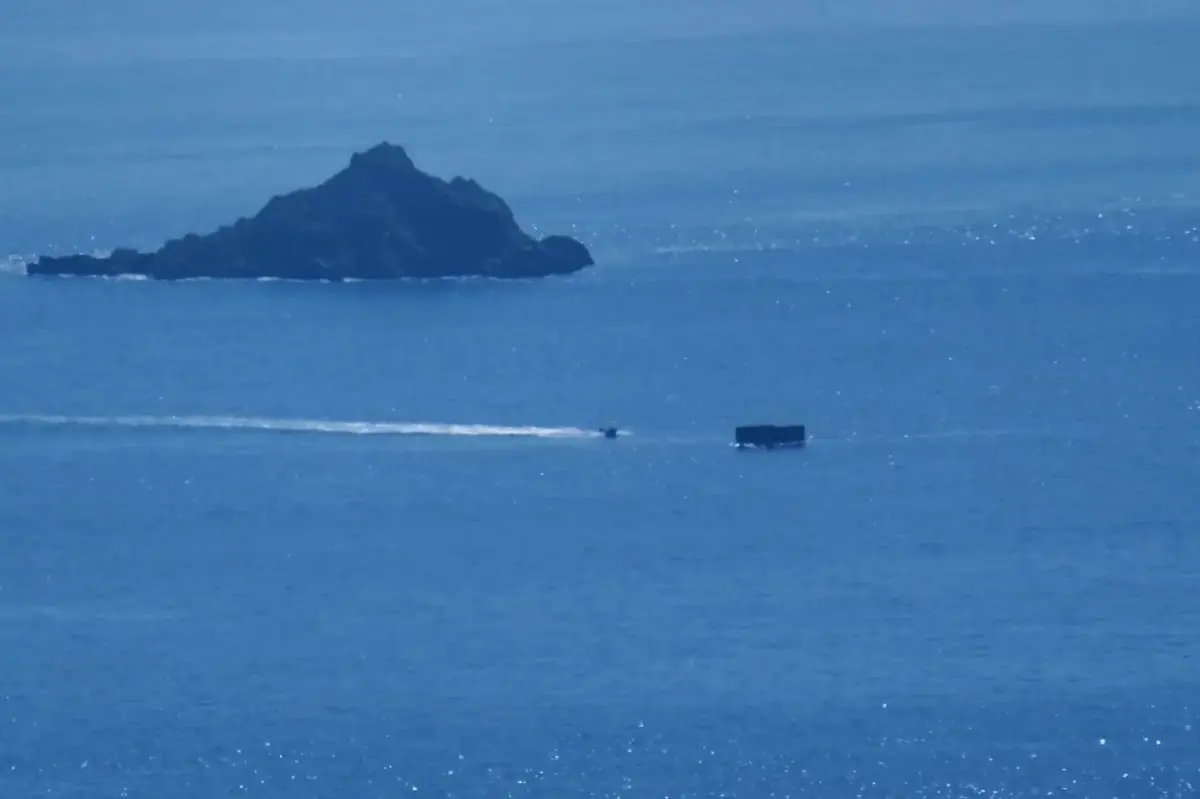
During the TURNAs-2026 National Unmanned Naval Systems Exercise held in the Gulf of Antalya and the Eastern Mediterranean, the Turkish defense manufacturer MKE successfully showcased the combat capabilities of the TOLGA Close-In Weapon System and the PIRANA kamikaze unmanned surface vehicle (USV). On the Distinguished Observer Day on October 25, the TOLGA system achieved a significant milestone by conducting its first-ever live-fire engagement from a naval platform, neutralizing both aerial and maritime targets. Simultaneously, the PIRANA USV demonstrated advanced interoperability by successfully engaging a surface target while being remotely controlled via a Bayraktar TB2 unmanned aerial vehicle.
- The TOLGA system successfully neutralized targets while integrated onto the TCG BEYKOZ naval vessel.
- The PIRANA kamikaze boat demonstrated its ability to be guided by an aerial platform during a surface strike.
- The TURNAs-2026 exercise involved the coordination of 18 ships and 11 aircraft to test unmanned system integration.
TOLGA System Achieves Successful Naval Firing Performance
The MKE-developed TOLGA Close-In Weapon System, featuring a 20mm dual-barreled revolver mechanism, was integrated onto the TCG BEYKOZ to evaluate its operational effectiveness in a maritime environment. During the exercise, the system successfully tracked and destroyed drone and small watercraft targets. A critical feature highlighted during the sea trials was the system’s advanced stabilization capability, which ensures high precision even while the host vessel is maneuvering in rough waters.
With a firing capacity of 3,200 rounds per minute and a range of approximately 1,000 meters, the TOLGA system utilizes specialized anti-drone ammunition. This testing phase marks a transition from land-based applications to critical naval defense, providing a robust solution against emerging threats like loitering munitions and swarm drone attacks. 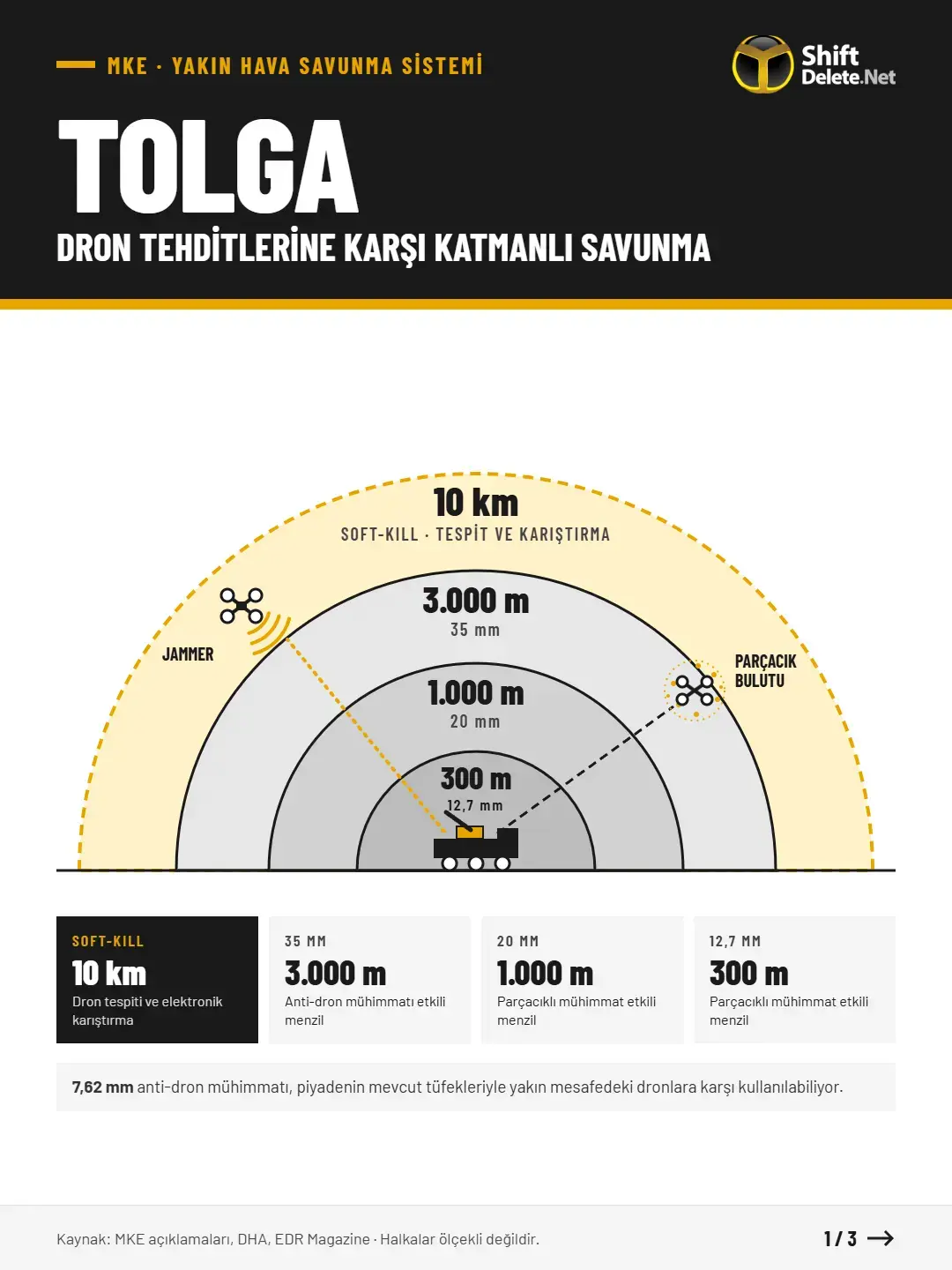
PIRANA USV Executes Strike via Aerial Command
The exercise further proved the tactical versatility of the PIRANA kamikaze vessel, which utilized a 100-kilogram warhead to strike its target. By receiving command inputs from a Bayraktar TB2, the system displayed a seamless link between air and sea assets. This coordination capability is essential for modern naval warfare, as it allows operators to manage surface threats from a distance while maintaining operational security. 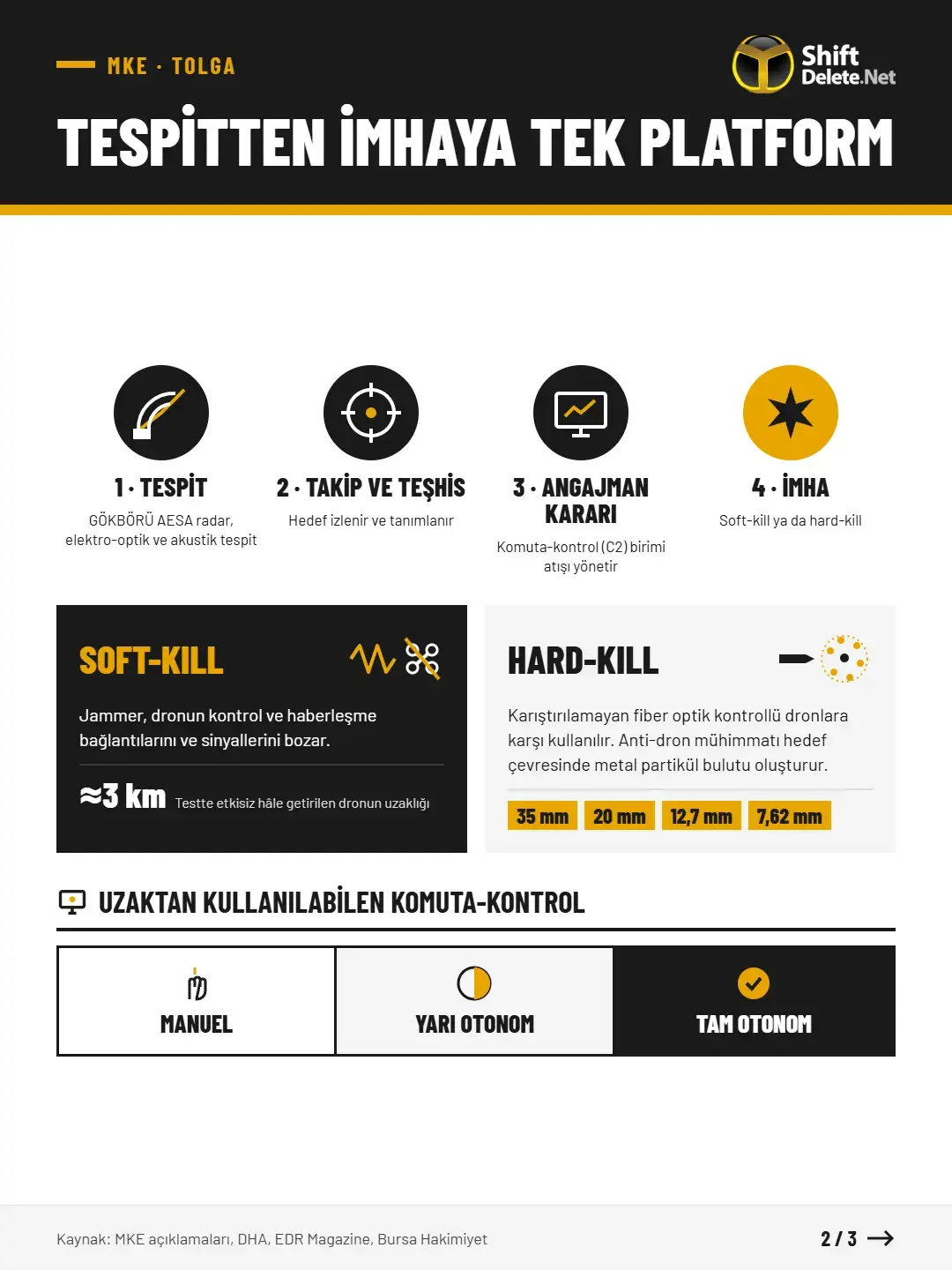
Technical Specifications Define Advanced Maritime Capabilities
MKE has released comprehensive technical data regarding the PIRANA platform, which is designed for both autonomous and remote-controlled missions. The vessel is capable of exceeding speeds of 40 knots and maintains an operational range of over 200 nautical miles. Equipped with both RF and satellite communication (SATCOM) links, the platform ensures reliable command and control across vast maritime theaters. 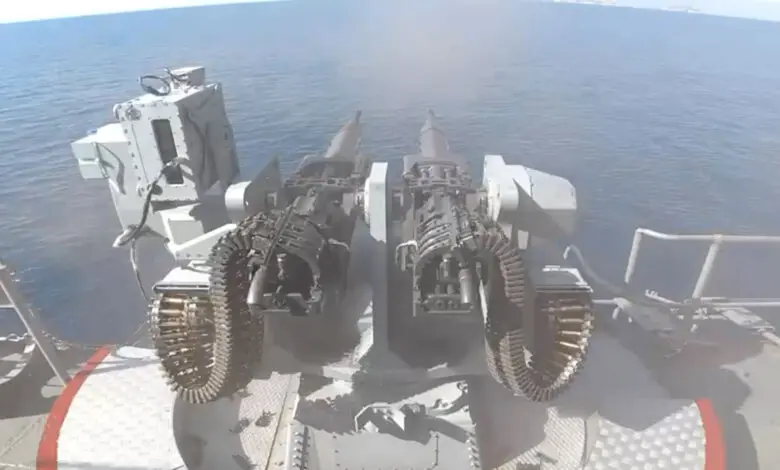
Interoperability Remains the Primary Focus of TURNAs-2026
The TURNAs-2026 exercise brought together approximately 1,300 personnel, 18 ships, and 11 aircraft to assess the interoperability of Turkey’s growing unmanned inventory. Beyond just testing hardware, the exercise focused on complex scenarios involving mine detection, coastal surveillance, and coordinated strikes. The successful integration of TOLGA and PIRANA into these multi-domain scenarios underscores the Turkish defense industry’s commitment to creating a unified, unmanned naval architecture. 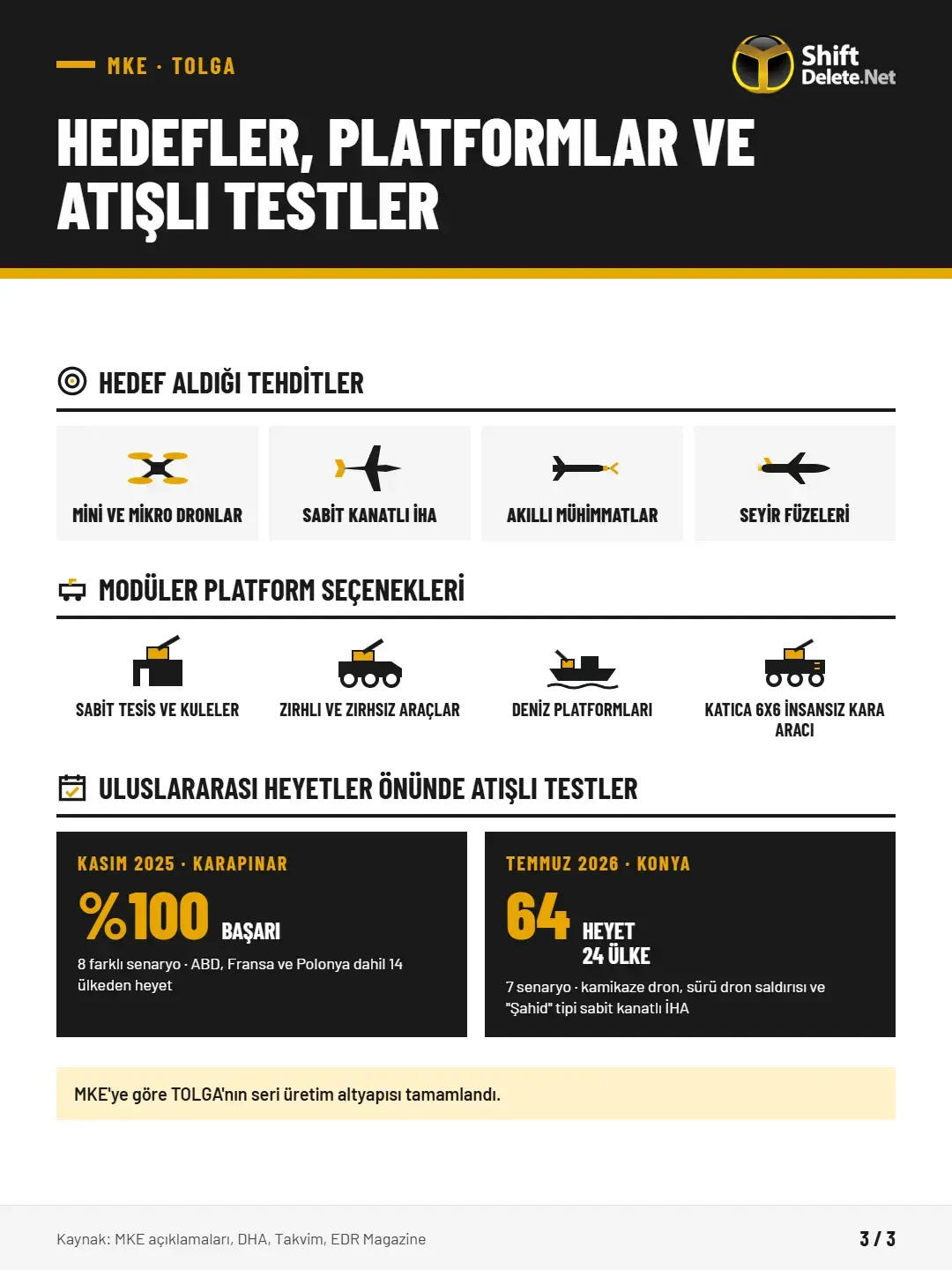
How do you evaluate the integration of unmanned naval systems with aerial platforms in modern maritime security? Please share your thoughts on the future of autonomous sea warfare in the comments below.
Your comment has been submitted,
it will be published after approval.