
STM’s TUNGA-X Hunter UAV Successfully Neutralizes Target in TURNAs-2026

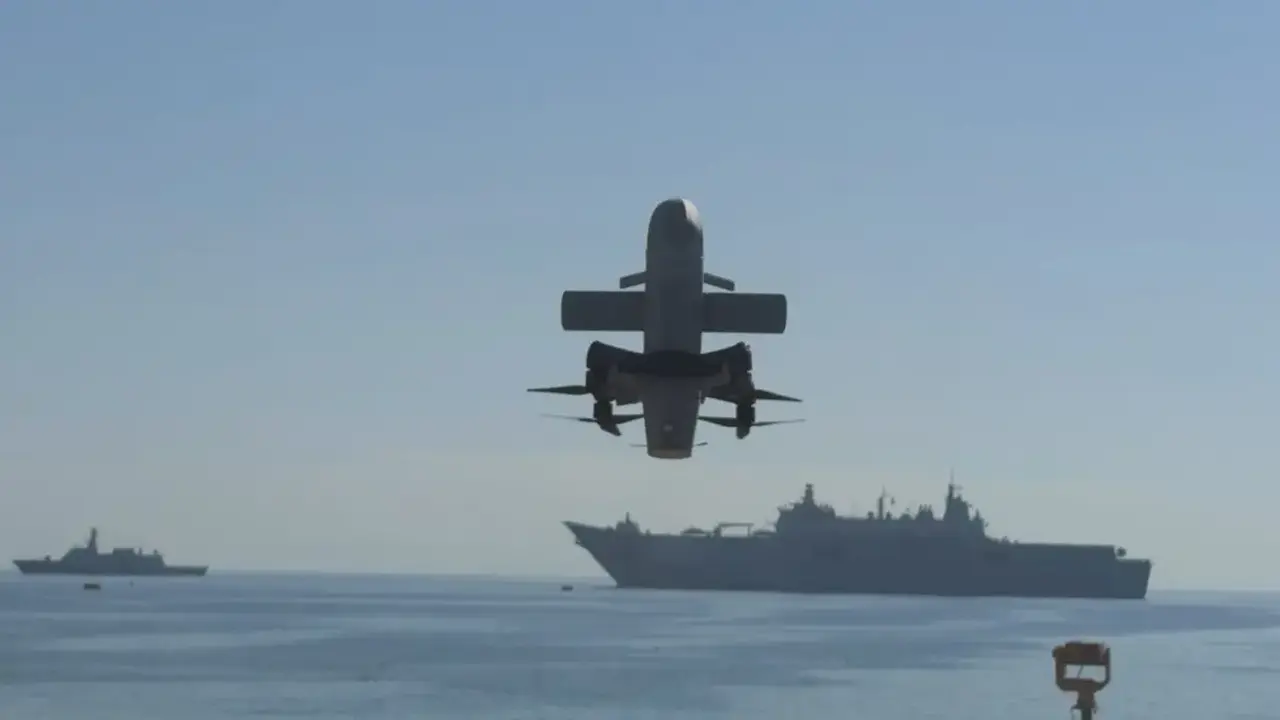
During the TURNAs-2026 Unmanned Maritime Systems Exercise held in the Mediterranean on October 25, 2026, the TUNGA-X hunter UAV, developed by Turkish defense firm STM, successfully intercepted and destroyed a simulated enemy drone. The demonstration, conducted by the Turkish Naval Forces, showcased the system’s ability to identify, track, and neutralize hostile aerial assets using a combination of radar data and advanced imaging guidance. By successfully executing this high-speed interception, the TUNGA-X platform proved its potential as a critical asset for modern air defense, offering a cost-effective solution against the rising threat posed by kamikaze drones in contemporary warfare scenarios.
- The TUNGA-X hunter UAV utilizes a hybrid guidance system combining radar integration with image-based target tracking.
- The platform achieves a maximum speed of 300 km/h and maintains an operational range of 25 kilometers.
- STM designed the multi-rotor system to provide a cost-effective alternative to traditional missile-based air defense systems.
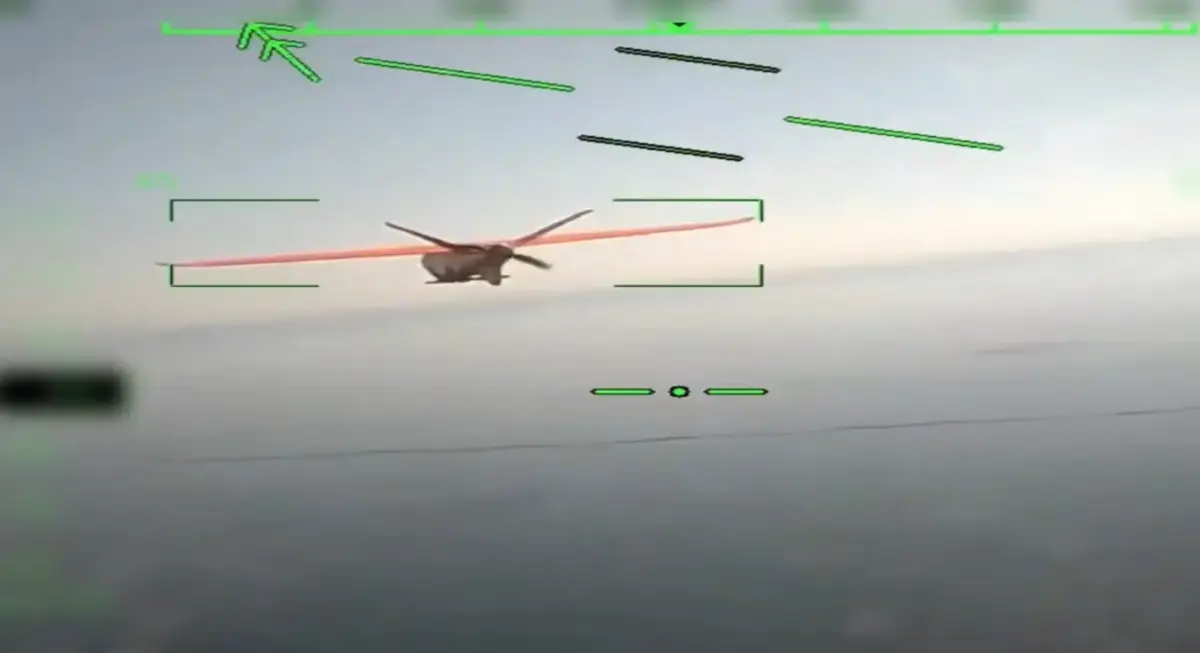
Advanced Targeting Systems Combine Radar and Imagery
The core strength of the TUNGA-X lies in its sophisticated sensory fusion. By integrating target information provided by external surveillance radars with its own onboard electro-optical and infrared camera systems, the drone maintains a continuous lock on its target. This dual-layer approach allows the system to transition seamlessly from long-range detection to precise final-stage interception. During the recent exercise, the UAV demonstrated its precision by colliding with the target’s propulsion system, successfully neutralizing the threat without the need to activate its own 750-gram warhead, which highlights a tactical preference for precision kinetic impact in specific engagement scenarios.
High-Speed Performance Defines Operational Capabilities
Engineering specifications for the TUNGA-X emphasize agility and rapid response times. As a vertical take-off and landing (VTOL) platform that requires no external launching infrastructure, it offers significant deployment flexibility for naval and land-based units. The system is capable of reaching speeds up to 300 km/h, making it highly effective against fast-moving aerial threats. While the platform currently boasts an operational flight time of approximately 15 minutes and a service ceiling of 5,000 meters, these performance metrics remain subject to environmental conditions and specific mission profiles. Its ability to operate effectively during both day and night cycles further extends its utility in multi-domain combat environments.
Strategic Defense Requirements Shape Future Development
The emergence of low-cost, expendable kamikaze drones has forced military planners to rethink traditional air defense strategies. Utilizing expensive anti-aircraft missiles to intercept cheap, small-scale drones creates significant logistical and financial strain on ammunition stocks. The TUNGA-X addresses this challenge by providing a sustainable, reusable, or lower-cost interception method. By operating as part of a larger, network-centric defense architecture, the system minimizes the need for human intervention in the final seconds of an engagement, relying instead on autonomous image-processing capabilities to ensure mission success.
Success Follows Initial Unveiling at SAHA 2026
First introduced to the public at the SAHA 2026 Defense and Aerospace Exhibition in Istanbul, the TUNGA-X has rapidly moved from a conceptual model to a field-tested reality. The successful interception during the TURNAs-2026 exercises represents a significant milestone for STM, validating the research and development efforts invested in the platform. As global conflicts demonstrate a growing reliance on small-scale aerial systems, the demand for specialized hunter drones is expected to rise. Future trials will focus on expanding the system’s integration with broader naval combat management systems and testing its performance against a wider variety of target signatures and complex electronic warfare environments.
Do you believe that hunter-drone technology like the TUNGA-X will become the standard defense against kamikaze UAVs in the near future? Share your thoughts on the evolution of modern air defense systems in the comments section below.
Your comment has been submitted,
it will be published after approval.