
Turkish Armed Forces Aim to Produce 10 Million Kamikaze UAVs

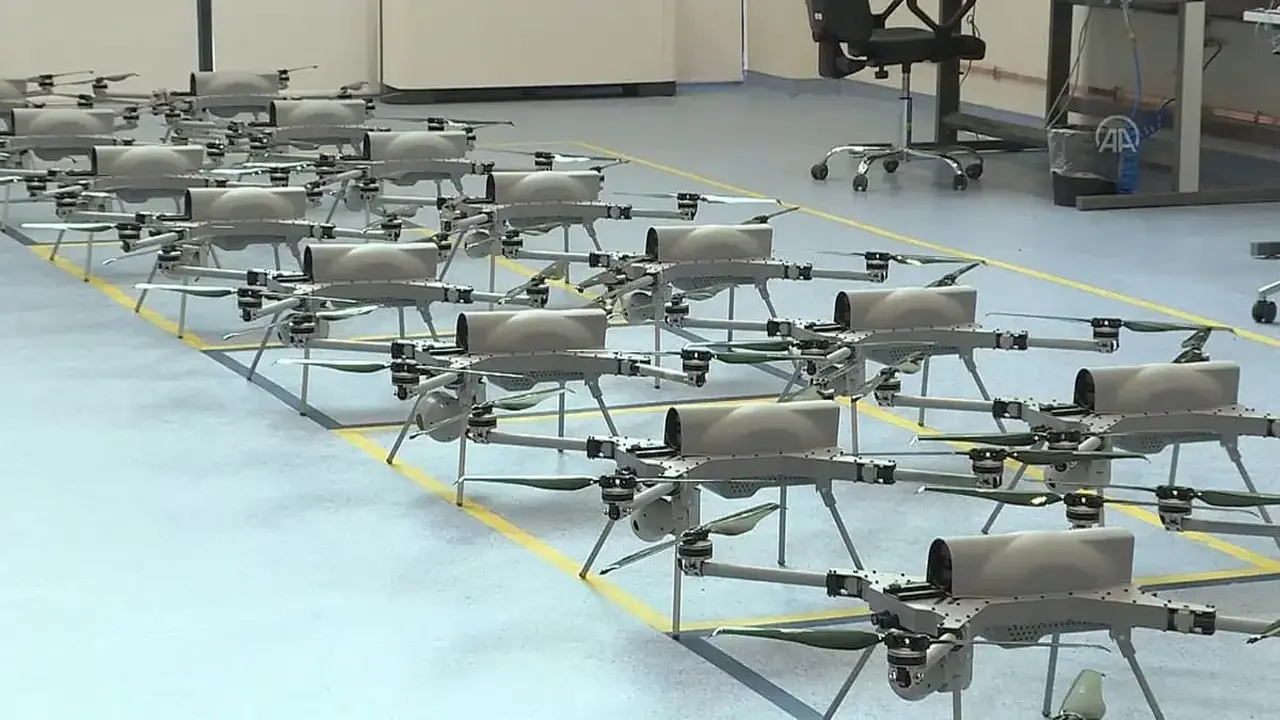
During the International Best Military Drone Team Competition (BIMDTC-2026) held on October 24, 2026, in Ankara, the Turkish Armed Forces (TSK) unveiled an ambitious strategy to ramp up its military production capacity. General Selçuk Bayraktaroğlu, the Chief of General Staff, announced a monumental target to manufacture 10 million kamikaze UAVs and unmanned systems within the next decade, with an interim goal of 5 million units in the first five years. This strategic initiative underscores Turkey’s commitment to dominating modern battlefield technologies by integrating large-scale drone operations into its core defense infrastructure.
- The Turkish Armed Forces plan to produce 10 million kamikaze unmanned systems over the next ten years.
- Turkey has successfully increased the localization rate of its defense industry to 83 percent.
- The Turkish Land Forces team secured first place in the BIMDTC-2026 competition among 22 participating teams.
Defense Industry Localization Reaches 83 Percent
General Bayraktaroğlu highlighted the significant progress made in Turkey’s domestic defense sector, noting that the localization rate has reached 83 percent. This technological maturity provides the necessary foundation for the mass production of complex unmanned aerial vehicles. The decision to pursue such large numbers reflects the evolving nature of modern warfare, where high-volume, cost-effective drones—similar to those utilized in the Russia-Ukraine conflict—have become indispensable for tactical success.
Future Battlefield Strategies Prioritize Coordinated Operations
The military leadership emphasizes that the future of combat lies in the seamless integration of manned and unmanned systems. General Bayraktaroğlu explained that the advantage on the field will be determined by rapid decision-making, advanced sensor capabilities, and precise coordination between different military assets. By combining air, land, and sea platforms with human intelligence, the TSK aims to minimize personnel casualties while significantly boosting overall mission efficiency.
While the production target is clear, the military is also focusing on the underlying infrastructure, including advanced pilot training and robust command-and-control systems. These components are essential to ensure that the massive influx of hardware translates into tangible operational superiority on the ground.
Global Competition Drives High Production Targets
Turkey’s target of 10 million units joins a global trend of rapid drone industrialization. Major global powers have already signaled similar intentions; for example, Ukraine and Russia have both outlined plans to produce millions of FPV drones annually to sustain their military operations. These ambitious goals reflect a paradigm shift in how nations approach logistics and ammunition stockpiling in an era defined by autonomous warfare.
Turkish Land Forces Secure Victory at BIMDTC-2026
The announcement took place against the backdrop of the BIMDTC-2026 competition, which serves as a platform for international military cooperation. The event hosted 22 teams from 18 nations, with an additional 14 countries attending as observers. The Turkish Land Forces team demonstrated exceptional skill, completing the course in just 41.417 seconds to claim the championship title. This victory highlights the high level of training and technical proficiency currently present within the Turkish military ranks regarding drone operations.
How do you think the mass production of kamikaze drones will reshape the balance of power in international defense? Share your thoughts on the future of autonomous warfare in the comments section below.
Your comment has been submitted,
it will be published after approval.