
Apple Unveils New iMac Featuring the Powerful M6 Chip

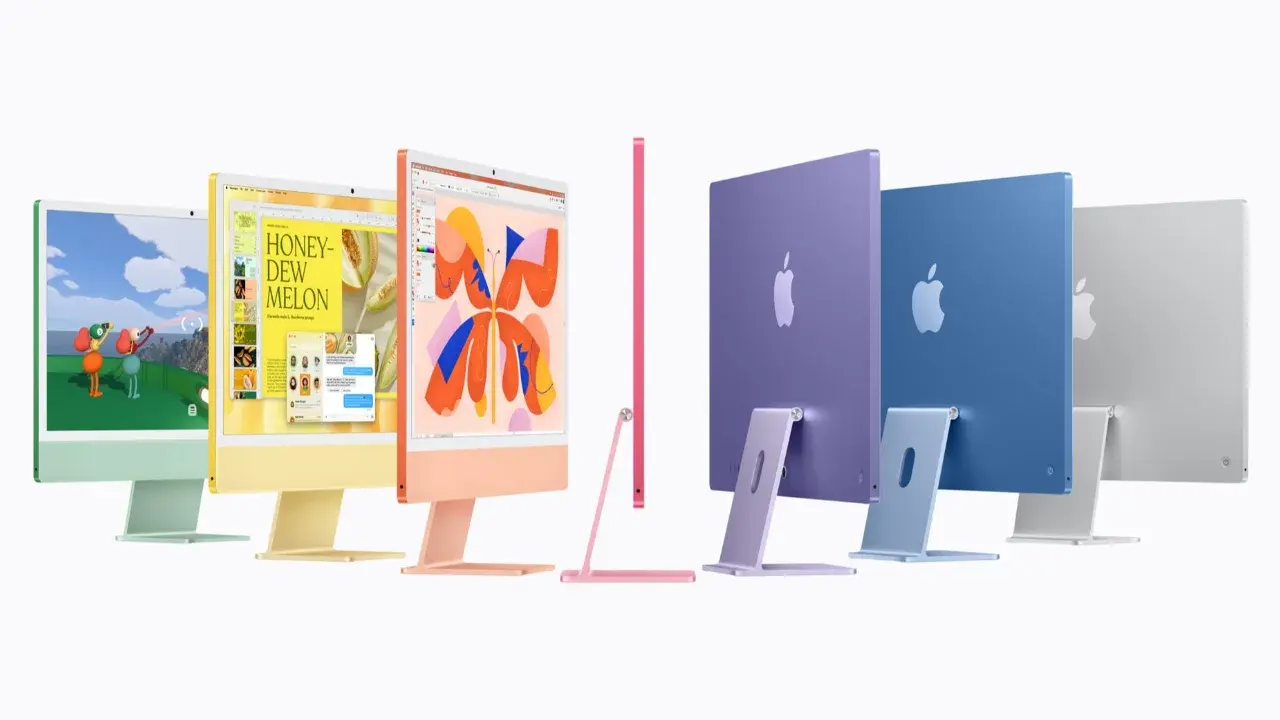
Apple has officially announced the launch of its latest all-in-one desktop computer, the new iMac powered by the groundbreaking M6 chip. Unveiled globally this week, the machine maintains the brand’s iconic slim aesthetic and vibrant seven-color palette while introducing significant internal hardware upgrades. Designed to cater to both casual home users and professional content creators, the device features a 12-core M6 architecture, dual Neural Engine integration, and advanced Wi-Fi 7 connectivity. By prioritizing local artificial intelligence capabilities, the new M6-powered iMac aims to redefine desktop performance standards for the modern era of computing.
- The new M6 chip utilizes a 12-core configuration that delivers up to five times faster AI processing compared to its predecessor.
- The system incorporates a Dual 16-Core Neural Engine architecture specifically optimized for local large language model execution.
- Users can access enhanced connectivity standards including Wi-Fi 7 and Bluetooth 6 technology.
- The device features a 24-inch 4.5K Retina display available in seven distinct color options.
M6 Architecture Drives Significant Performance Gains
At the heart of the latest iMac lies the M6 silicon, which marks a major evolution in Apple’s proprietary processor technology. With a configuration of up to 12 CPU and 12 GPU cores, the chip is engineered to handle intensive multitasking and complex computational tasks with ease. The standout feature is the Dual 16-Core Neural Engine, which provides a massive boost for on-device machine learning operations. 
For professionals working with large language models or complex data sets, the performance jump is substantial. Testing indicates that the M6 chip performs LLM processing and command execution up to five times faster than the M4 series. Additionally, the inclusion of hardware-accelerated ray tracing in the GPU provides a two-fold increase in graphics power for rendering and gaming applications, while the system memory now achieves a bandwidth of 170 GB/s.
Operating System Enhances Intelligent System Integration
The new iMac ships with macOS 27, which is deeply integrated with the hardware’s unique AI capabilities. Apple Intelligence functions allow the system to perform contextual searches across emails, photos, and messages seamlessly. The updated Siri AI assistant can now automate multi-app actions and provide direct, intelligent responses via Spotlight searches, significantly streamlining user workflows.
Visual Intelligence is another major addition to the platform. By utilizing a shortcut on the 24-inch 4.5K Retina display, users can prompt the system to analyze graphs, tables, or complex imagery in real-time. This level of system-level integration ensures that the hardware and software work in harmony to maximize efficiency for demanding creative projects.
Availability and Market Positioning Reflect Premium Standards
Beyond the internal improvements, the device maintains the familiar 24-inch 4.5K Retina screen, known for its 500 nits of brightness and P3 wide color gamut. The package includes color-matched peripherals, specifically the Magic Keyboard and Magic Mouse. Apple has scheduled the official pre-order phase to begin on October 28, with the first units arriving on November 6.
The base price for the new iMac starts at 104,999 TL, positioning it as a high-end solution for those requiring professional-grade performance in a compact, stylish form factor. As the transition from legacy Intel-based systems continues, this model offers up to 18 times faster performance, making it a compelling upgrade for long-term users.
We are eager to hear your thoughts on the new M6-powered iMac and its heavy focus on integrated artificial intelligence. Do you believe these hardware upgrades justify the price point for your professional needs, or are you waiting for more software developers to fully utilize the new neural architecture? Share your perspective in the comments section below.
Your comment has been submitted,
it will be published after approval.