
Mini LED vs OLED: Which Television Technology Should You Choose?

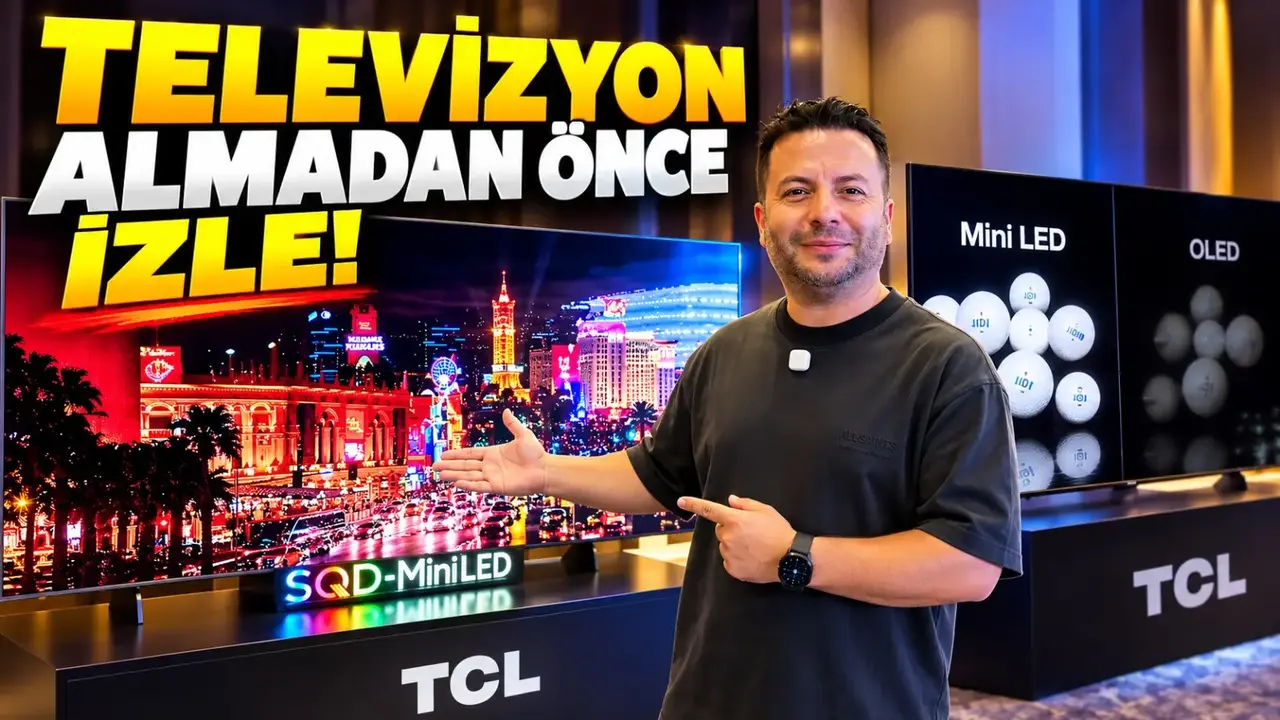
Selecting a new television is a significant long-term investment, as these devices typically remain in households for eight to ten years. In the current market, consumers are increasingly debating between Mini LED and OLED technologies, especially as large-format screens become more accessible to the average viewer. This guide examines how hardware advancements, such as those found in TCL Mini LED panels, compare to traditional OLEDs in terms of brightness, pricing, and visual fidelity. Understanding the balance between screen size and viewing distance is essential for optimizing the home cinema experience, whether your room setup spans 2.3 or 3.5 meters.
- Mini LED technology provides superior brightness levels reaching up to 6,000 nits for well-lit environments.
- OLED panels excel in producing true blacks through individual pixel dimming capabilities.
- Large-format Mini LED televisions offer a more cost-effective alternative compared to expansive OLED displays.
- Hardware-based local dimming with over 4,000 zones minimizes halo effects around subtitles and bright objects.
Mini LED Displays Offer Superior Brightness and Affordability
While OLED technology is widely recognized for its ability to turn off individual pixels to achieve perfect black levels, Mini LED displays have emerged as a formidable competitor. TCL, in particular, has pioneered advancements that allow Mini LED panels to maintain high peak brightness, often reaching 6,000 nits. This capability is vital for living rooms exposed to daylight or glare from windows, ensuring that content remains vibrant and visible regardless of the time of day.
Furthermore, price remains a decisive factor for many buyers. As screen sizes grow larger, the production costs for OLED panels increase exponentially. Mini LED technology provides a more accessible path for consumers seeking a massive, immersive home theater experience without the prohibitive price tag associated with high-end OLED models. However, performance can vary depending on the implementation of local dimming. Consumers should prioritize models that utilize hardware-based dimming with at least 4,000 independent zones to ensure high contrast and minimize light bleeding.
Quantum Dot Technology Enhances Color Accuracy
Beyond brightness and contrast, color reproduction serves as a pillar of modern display technology. TCL’s SQD (Super Quantum Dot) Mini LED televisions utilize quantum dots to convert light into pure, saturated colors. This architecture allows the displays to cover 100% of the BT.2020 color space, resulting in natural tones that avoid the artificial appearance often seen in lower-quality panels.
By integrating specialized color filters with a sophisticated Super Backlight system, these televisions accurately render complex textures like natural grass or human skin tones. This level of precision ensures that viewers receive a cinematic experience that stays true to the director’s original vision, preventing the washed-out or overly saturated images that sometimes plague standard LED displays.
Choosing the Right Panel Requires Careful Consideration
The ultimate choice between Mini LED and OLED depends on the user’s specific environment and viewing habits. Those who prioritize deep, infinite contrast in dark rooms may still favor OLED, whereas users in bright, multi-purpose living spaces will likely find the high-output performance of Mini LED more practical. Ultimately, matching the technology to the room’s lighting conditions and budget constraints remains the most important step in the purchasing process.
We are eager to hear about your experience with large-format displays. Are you currently leaning toward the high-brightness capabilities of Mini LED, or do you prefer the contrast perfection of OLED for your home setup? Share your thoughts and let us know which technology you would choose for your next upgrade in the comments section below.
Your comment has been submitted,
it will be published after approval.