
OpenAI Plans to Utilize Google AI Chips for Infrastructure


In a strategic move to bolster its computing power, OpenAI is reportedly planning to incorporate Google’s proprietary Tensor Processing Unit (TPU) artificial intelligence chips into its infrastructure. By diversifying its hardware procurement beyond current reliance on Nvidia, the artificial intelligence firm aims to optimize the training and deployment of its advanced models. While the specific financial terms, delivery schedules, and total volume of units remain undisclosed, this initiative marks a significant shift in the competitive landscape. OpenAI has increasingly engaged with Google’s cloud ecosystems, recently opting to provide its cutting-edge models directly through the Google Cloud platform to global developers.
- OpenAI intends to diversify its supply chain by acquiring Google’s Tensor Processing Units for training and operational tasks.
- The collaboration expands on a growing partnership that includes hosting advanced models on Google Cloud infrastructure.
- OpenAI continues to develop its internal hardware capabilities through the Broadcom-designed Jalapeno chip project.
- The company seeks to reduce its long-term dependency on traditional GPU suppliers to ensure operational efficiency.
The Hardware Strategy Evolves Through Partnerships
For several years, the industry has viewed Nvidia’s graphics processing units (GPUs) as the gold standard for high-performance machine learning. However, as the demand for computational resources hits record highs, OpenAI is actively seeking alternatives to mitigate potential bottlenecks. 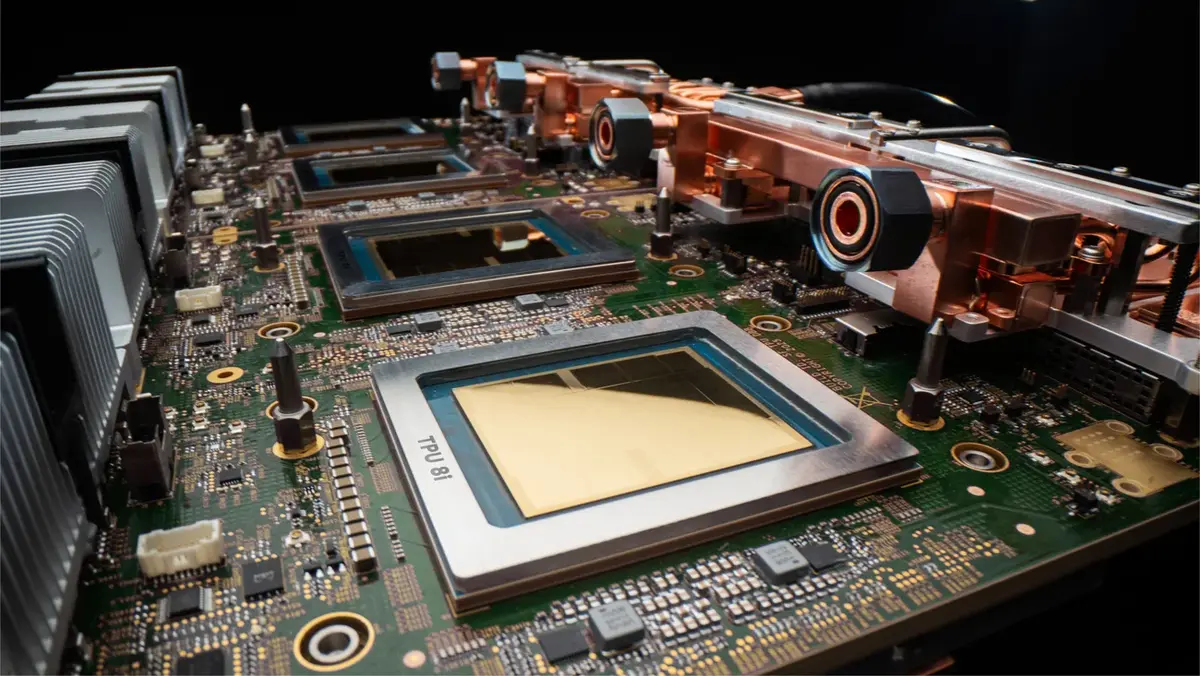 Google’s TPU technology represents a formidable alternative, having been specifically optimized for the large-scale neural network operations that power modern generative AI.
This transition is not merely a reaction to supply shortages but a broader strategy to achieve hardware independence. By integrating TPU units, OpenAI can leverage specialized architectures that may offer superior performance-to-cost ratios for specific model architectures. 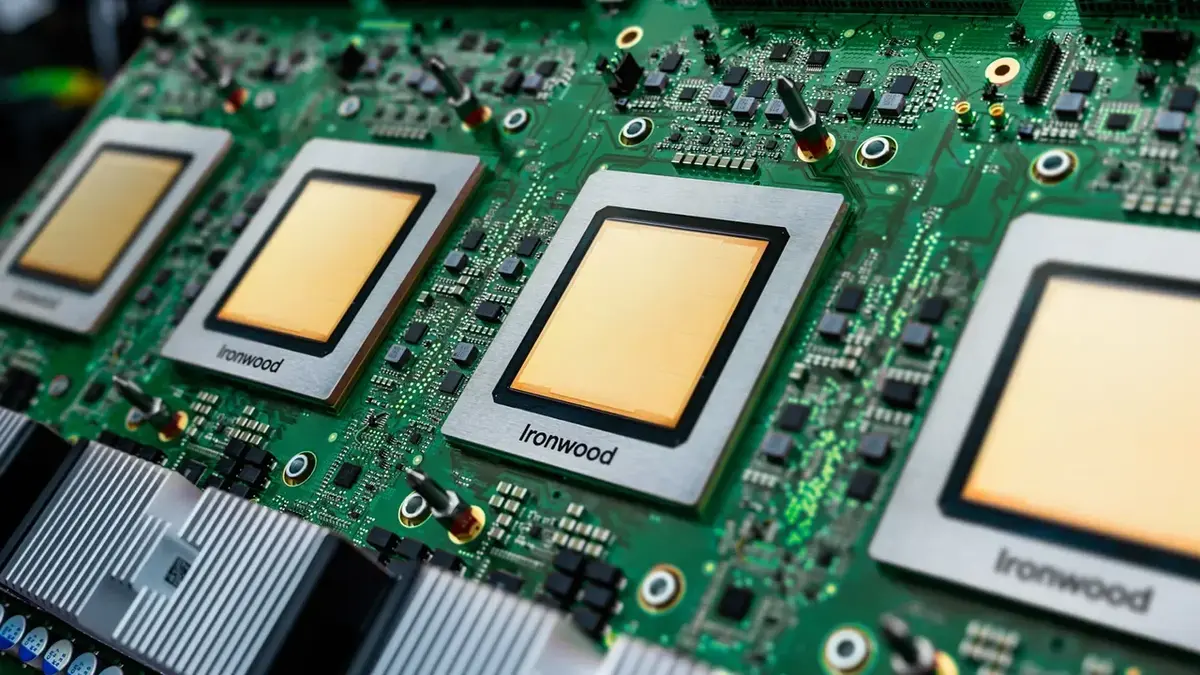 This trend of diversification is becoming standard practice among major AI labs, as firms like Anthropic have already begun utilizing Google’s custom silicon to accelerate their research pipelines.
Internal Development Projects Continue to Progress
While external partnerships provide immediate relief, OpenAI is simultaneously building long-term technological sovereignty. The organization is currently finalizing its inaugural custom-designed AI processor, codenamed Jalapeno, which was developed in collaboration with Broadcom. The company expects this proprietary hardware to reach the production stage by the end of 2026, marking a pivotal step in its multi-generational chip roadmap.
Developing custom silicon is a high-stakes endeavor that requires massive capital investment and specialized engineering talent. By pursuing both internal development and external procurement, the company is effectively hedging its risks against the volatile semiconductor market. This dual-track strategy ensures that the firm remains resilient against supply chain disruptions while maintaining access to the most efficient compute solutions available.
Global Infrastructure Investment Grows Rapidly
The broader technology sector is witnessing an unprecedented surge in infrastructure spending. Industry analysts project that the combined capital expenditure of giants like Amazon, Microsoft, and Alphabet—Google’s parent company—could reach as much as 600 billion dollars by 2026. These investments are largely directed toward the expansion of data centers, energy procurement, and the manufacturing of next-generation chips.
Investors remain cautious, however, as they demand clear evidence that these massive infrastructure investments will generate sustainable financial returns. The quarterly earnings reports from these technology giants are now scrutinized for signs that cloud computing revenue is scaling in proportion to the capital outflow. As the industry matures, the ability to balance high-performance computing requirements with operational cost-efficiency will define the long-term winners in the artificial intelligence race.
As OpenAI and Google bridge their divide through hardware collaboration, the landscape of AI infrastructure continues to shift rapidly. We invite you to share your thoughts in the comments section: Do you believe that diversifying hardware suppliers will lead to more stable AI development, or does it risk fragmenting the standard development environment?
Your comment has been submitted,
it will be published after approval.