
SK Hynix Posts Record Q3 Revenue Amid Persistent Memory Shortage

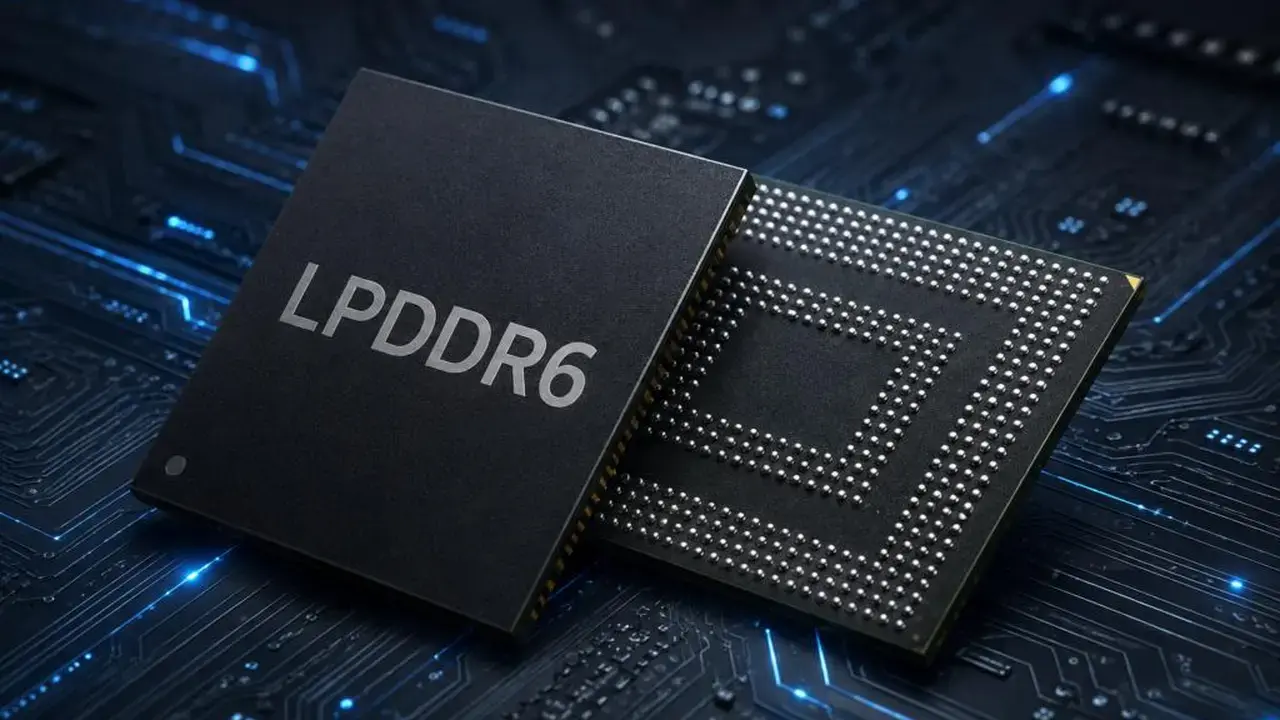
South Korean semiconductor giant SK Hynix reported unprecedented financial results for the third quarter of 2026, marking a historic milestone as revenues soared to 104.6 trillion KRW. By surpassing the 100 trillion KRW threshold for the first time, the company demonstrated exceptional operational efficiency with an 80% operating profit margin. Despite this record-breaking performance, SK Hynix issued a sobering industry forecast, warning that the global memory shortage is likely to persist through 2030. This supply-demand imbalance highlights the immense strain placed on the semiconductor sector by the rapid expansion of artificial intelligence technologies and evolving digital infrastructure.
- SK Hynix achieved a record quarterly revenue of 104.6 trillion KRW with an 80% operating margin.
- The company projects that global memory supply constraints will continue until at least 2030.
- Management expects HBM4 memory sales to overtake HBM3E volumes in the upcoming quarter.
- The planned initial public offering for Solidigm was officially canceled due to unfavorable market conditions.
Financial Dominance is Driven by AI Memory Demand
The company’s net profit of 39.8 trillion KRW validates its aggressive strategic shift toward high-performance computing components. A primary catalyst for this financial success is the surging demand for high-bandwidth memory (HBM) solutions specifically engineered for AI server clusters. Executives anticipate that HBM4 will soon transition from a niche product to the company’s flagship offering, surpassing the sales volume of the currently dominant HBM3E series as early as the next fiscal quarter.
Production Capacity is Scaling Up Through New Investments
The intensifying requirement for Server DDR5 RAM and LPDDR5 SOCAMM modules has pushed current manufacturing facilities to their absolute limits. To address this, the M15X factory is scheduled to reach full production capacity by the end of the year, targeting an output of 55,000 to 60,000 wafers per month to satisfy the growing need for 1b DRAM chips. 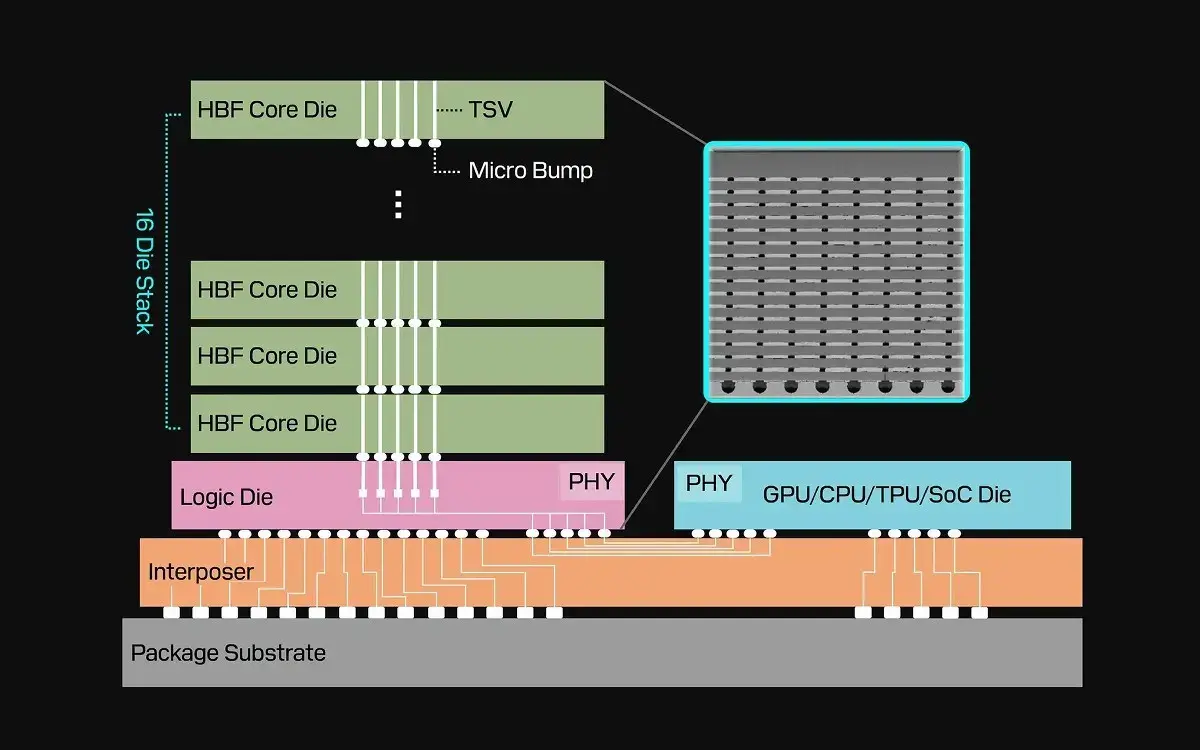 Furthermore, the company is rapidly increasing the production share of the more advanced and efficient 1c DRAM technology to maintain its competitive edge.
Regarding NAND flash storage, the company is leveraging its 321-layer TLC chips to capture a significant portion of the embedded SSD market. Simultaneously, engineers are advancing High Bandwidth Flash (HBF) technology, which aims to drastically improve the data processing capabilities of modern large-scale artificial intelligence models.
Memory Shortage Threatens Long-Term Industry Planning
The recent disclosure from SK Hynix paints a challenging picture for the global semiconductor landscape. Even with the company’s massive capital investments in new manufacturing plants, the persistent memory shortage is expected to remain a bottleneck until 2030. 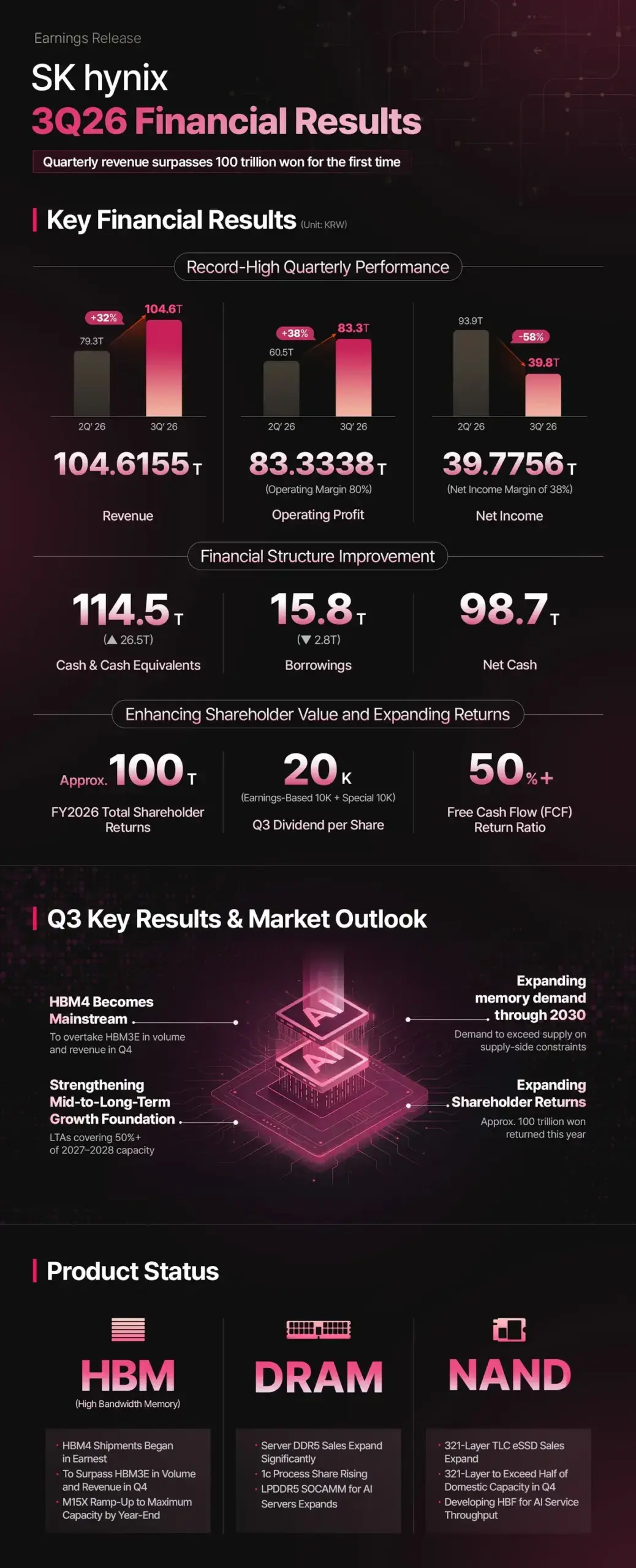 This shortfall is driven by a combination of immediate enterprise AI needs and the long-term integration of memory into autonomous driving systems and complex robotics.
Solidigm IPO Plans are Formally Abandoned
CEO Kwak Noh-Jung confirmed that the planned public listing for the subsidiary Solidigm has been officially halted. After evaluating volatile market conditions and internal financial priorities, leadership concluded that an IPO would not serve the best interests of the company at this time. SK Hynix will instead focus its resources on internal capacity expansion and maximizing value for existing shareholders.
How do you believe this long-term memory shortage will impact the pricing and availability of your next personal computer or smartphone? We invite you to share your thoughts on whether the AI hardware revolution is moving too fast for current production capabilities in the comments section below.
Your comment has been submitted,
it will be published after approval.