
What Is a Cold Wallet? How to Protect Crypto After Binance Hack

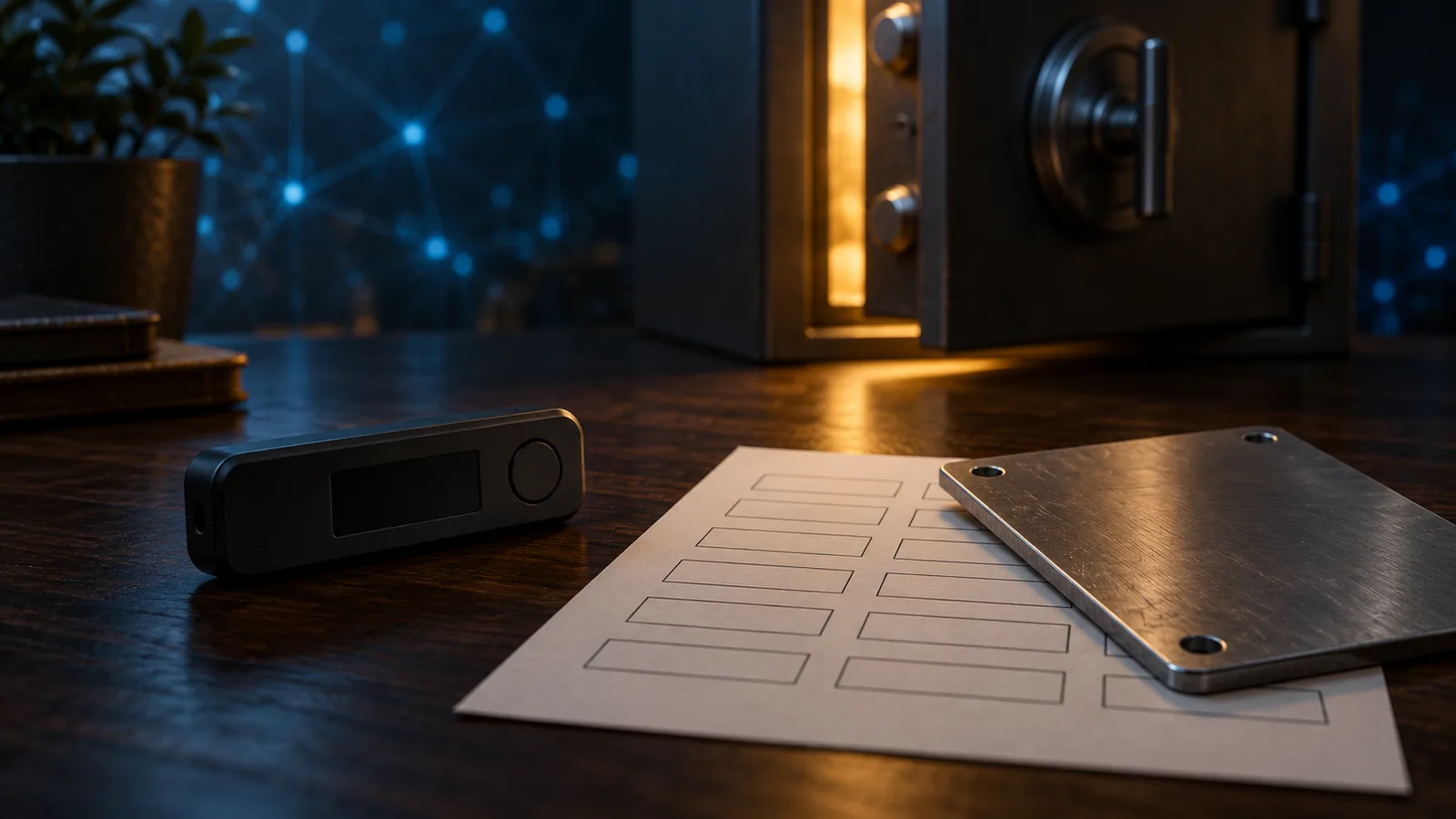
A cold wallet is a crypto wallet that keeps your private keys completely offline, usually on a small hardware device or on paper, so hackers on the internet cannot reach them. The question is back in focus after Binance lost about $6.3 billion from its internet-connected hot wallets on October 29, 2026, the largest crypto theft on record. Here is what a cold wallet does, how it differs from a hot wallet and whether you need one.
What Is a Cold Wallet in Crypto?
Every crypto balance is controlled by a private key, a secret number that signs transactions. Whoever holds the key controls the coins. A cold wallet stores that key on something that never touches the internet. When you want to send funds, the transaction is prepared on your phone or computer, signed inside the offline device and only then broadcast to the network. The key itself never leaves the cold wallet.
The coins do not physically live in the wallet. They stay on the blockchain; the wallet only protects the key that moves them. That is why a cold wallet always comes with a recovery phrase (also called a seed phrase), usually 12 or 24 words that can rebuild the keys on a new device if the original one is lost or broken.
Cold Wallet vs. Hot Wallet: What Is the Difference?
A hot wallet keeps its keys on a device or server that is connected to the internet. Phone wallet apps, browser extensions and the wallets exchanges use to process withdrawals are all hot wallets.
- Hot wallet: fast and convenient for daily trading and payments, but exposed to malware, phishing and server breaches.
- Cold wallet: slower to use, because you need the device in hand to approve each transaction, but much harder to attack remotely.
Most people who hold crypto long term use both: a small hot wallet for spending and a cold wallet for savings. Large exchanges follow the same model. They keep most customer assets in cold storage and only a working balance in hot wallets.
What the Binance Hack Shows About Hot Wallets
The Binance hack is a textbook hot wallet attack. According to Binance, the attacker likely started from a compromised DevOps engineer’s laptop, reached a service container and pushed unauthorized withdrawal transactions from hot wallets on ten blockchains. Blockchain analytics firm TRM Labs attributes the attack to North Korea’s TraderTraitor group. Binance says it will cover every loss from its SAFU fund and company funds.
Cold storage is not a guarantee, though. In the Bybit hack of February 2025, about $1.5 billion in Ethereum was taken while moving out of a multisig cold wallet, after attackers tampered with the interface the signers used to approve the transfer. The lesson: an offline key protects you only if you also check what you are signing.
Types of Cold Wallets
Hardware wallets
The most common option is a USB, Bluetooth or NFC device built around a secure chip that generates and stores keys. Ledger, Trezor and Tangem are well-known makers. Buy only from the manufacturer or an authorized seller, never secondhand, because a tampered device can leak your keys.
Air-gapped devices
Some wallets never connect by cable or Bluetooth at all and pass transactions back and forth through QR codes or a microSD card, which removes another attack path.
Paper and steel backups
A paper wallet is a printed key or recovery phrase. It costs nothing but is easy to lose, damage or photograph. Many users instead stamp their recovery phrase onto a steel plate that survives fire and water.
Do You Need a Cold Wallet?
If you only hold a small amount for trading, a reputable exchange with strong account security may be enough. If you hold an amount you could not afford to lose, or plan to keep coins for years, moving most of it to a cold wallet means an exchange breach, freeze or bankruptcy cannot touch it. The trade-off is responsibility: there is no password reset. Lose the device and the recovery phrase, and the funds are gone for good.
How to Use a Cold Wallet Safely
- Set up the device yourself and write down the recovery phrase offline. Never type it into a website, app or chat, and never photograph it.
- Store the recovery phrase separately from the device, ideally in two secure places.
- Always confirm the receiving address and amount on the wallet’s own screen before approving.
- Send a small test transaction before moving a large balance.
- Ignore anyone who contacts you about “recovering” or “verifying” your wallet. Scammers use big hacks like Binance’s as bait.
- Keep the wallet’s firmware updated only through the maker’s official app.
Frequently Asked Questions
Is a cold wallet worth it?
For long-term holdings, usually yes. It removes the risk of exchange hacks and remote malware stealing your keys, at the cost of some convenience.
Can a cold wallet be hacked?
Remote attacks are very hard because the key stays offline. Most losses come from stolen recovery phrases, fake or tampered devices and users approving malicious transactions.
What happens if I lose my cold wallet?
Your crypto is not lost as long as you have the recovery phrase. Enter it into a new wallet and your balances reappear.
New to crypto? Start with our guide on how to buy Ethereum, and read how RatOn Android malware targets crypto users.
Your comment has been submitted,
it will be published after approval.