

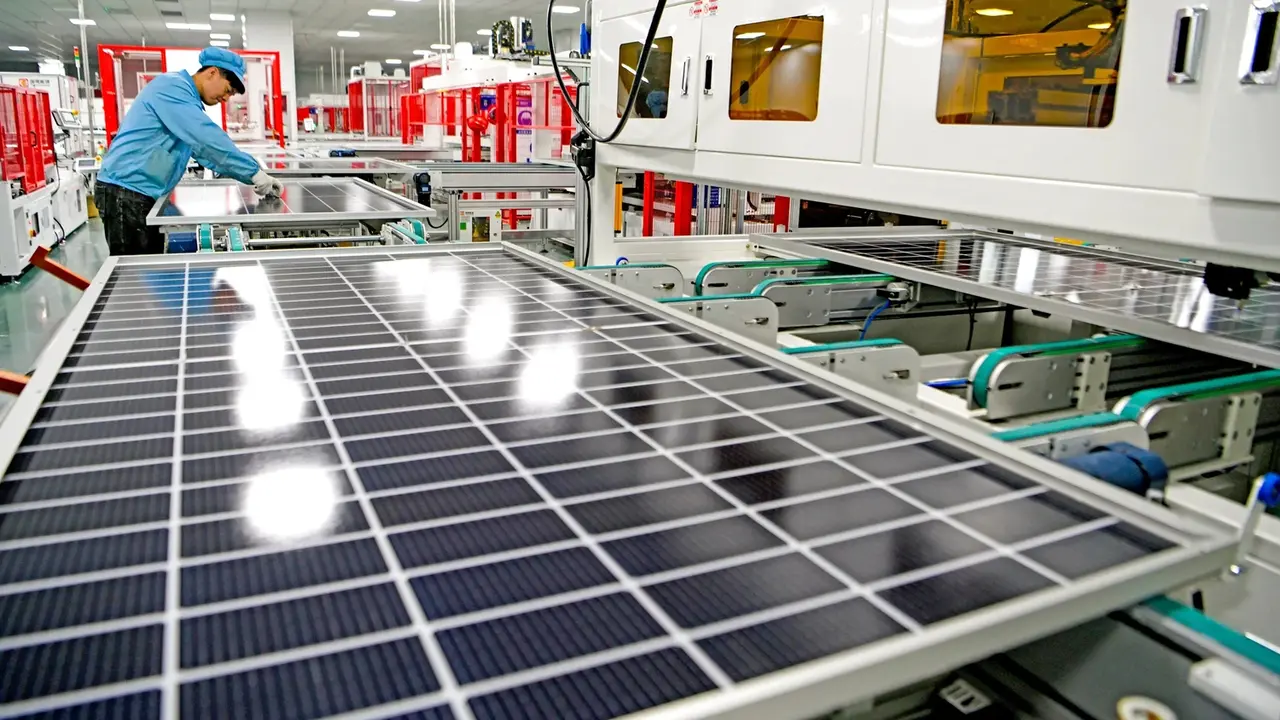
China-based technology company Astronergy is building a 5-gigawatt solar cell production facility in the Balıkesir Organized Industrial Zone with a $700 million investment. Upon completion, the facility, which will reach an annual production capacity of 5 gigawatts, is planned to begin operating at full capacity in 2028. Construction of the project will begin at the end of 2025.
5 GW solar cell production facility to be built in Turkey
The new facility is being developed as part of the Ministry of Industry and Technology’s HIT-30 Program. This program aims to make Turkey a global hub for high-technology production by 2030. The facility will be completed in phases. The first phase will produce 3 gigawatts of wafers and cells. The second phase will increase production capacity to 5 gigawatts. The final phase will produce wafers, cells, and panels, each with an annual capacity of 5 gigawatts.
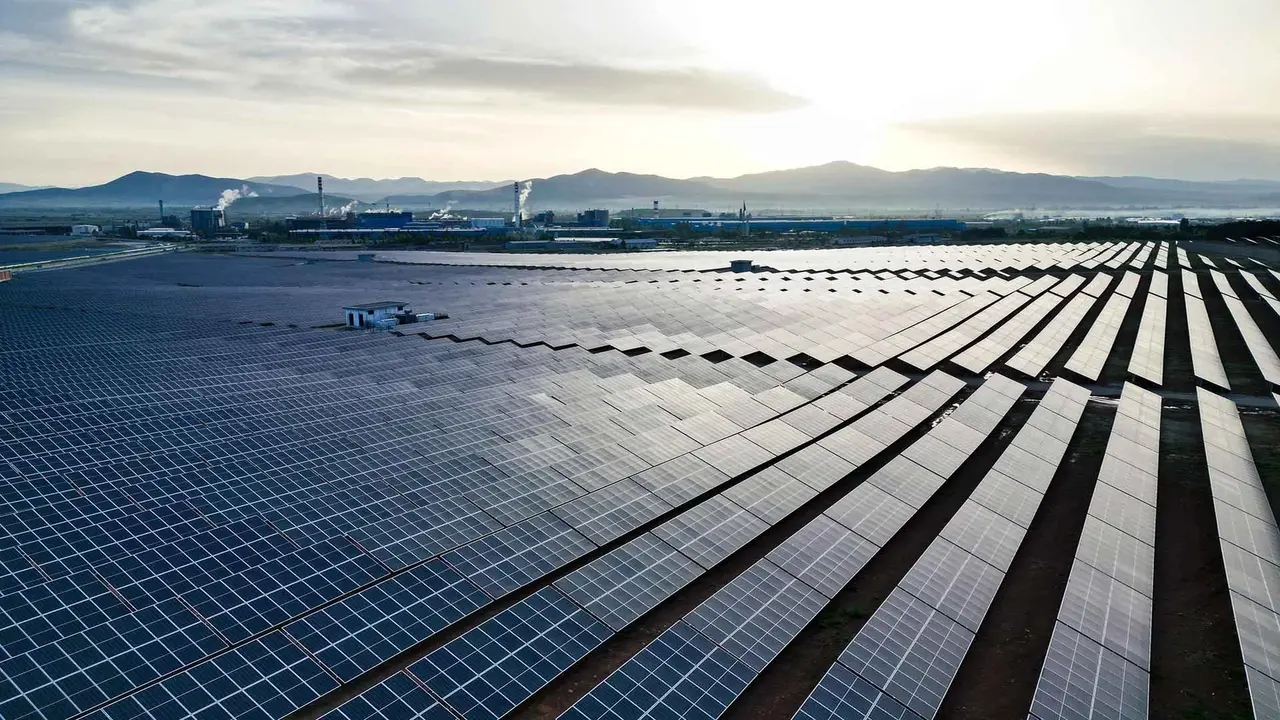
The technology used in production will be TOPCon 4.0 cell technology. However, this will only be implemented in the initial phase. According to information from company management, when the second phase begins, when production capacity is increased, cell technology will be modified. The technology selection will be redefined based on global technical developments at that time. The company plans to develop a hybrid production model at this point.
The total cost of the investment is estimated at $700 million, including construction, land, and machinery. When it reaches full capacity, the facility will be one of the most advanced solar energy production centers not only in Turkey but also in the region. The size and technological equipment of the production facilities in Turkey enhance its competitiveness in international energy markets.
Approximately 80% of the products produced will be exported. Priority export markets include the US and Europe. Astronergy’s new facility in Balıkesir will play a significant role in Turkey’s export-focused renewable energy strategy.
The company’s operations in Turkey date back to 2008. Having entered the market under the Chint brand at the time, Astronergy has focused on renewable energy since 2015. It currently operates under the brands Chint Green Energy, Chint Power, and Astronergy. Its current investments include a 1-gigawatt solar panel production facility in Adana.
Turkey plans to reach a total installed capacity of 120 gigawatts in wind and solar energy as part of its 2035 targets. Incentive programs implemented within this framework are particularly effective in attracting large-scale foreign investment.
Among the projects announced for 2025 alone are Astronergy’s 5 GW investment, Saudi Arabia-based ACWA Power’s 5 GW, and another Chinese company, Drinda’s 5 GW. These developments demonstrate that Turkey is becoming a strong player in the international renewable energy market.