

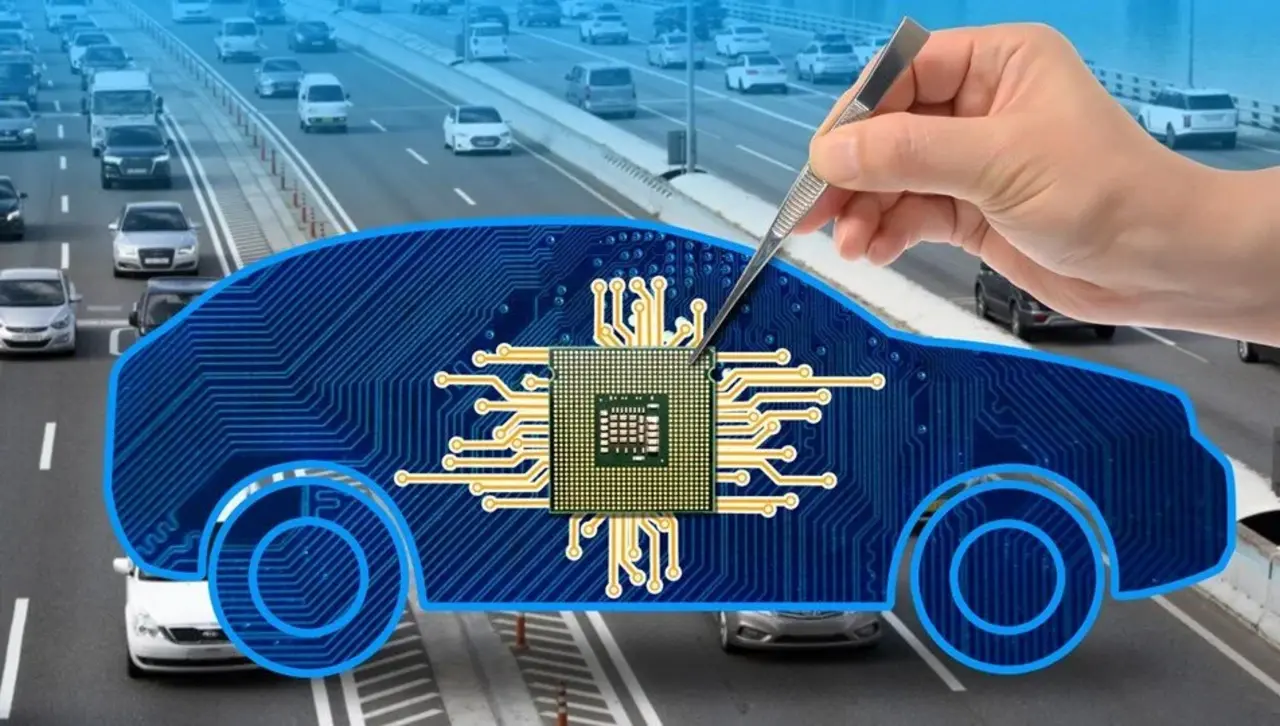
European automakers face the risk of a new supply crisis triggered by global political tensions. The Netherlands’ seizure of Chinese chipmaker Nexperia, at the request of the US, resulted in China’s retaliatory decision to halt chip shipments to Europe. This development has the potential to trigger a situation similar to the supply problems experienced during the pandemic.
Will there be a supply crisis?
The surprising development in the Netherlands is reportedly a result of the trade war between the US and China, and the decision was made at the behest of Donald Trump. However, this move has caused a critical supply chain disruption for the European automotive sector. China subsequently banned Nexperia from supplying chips to Europe.
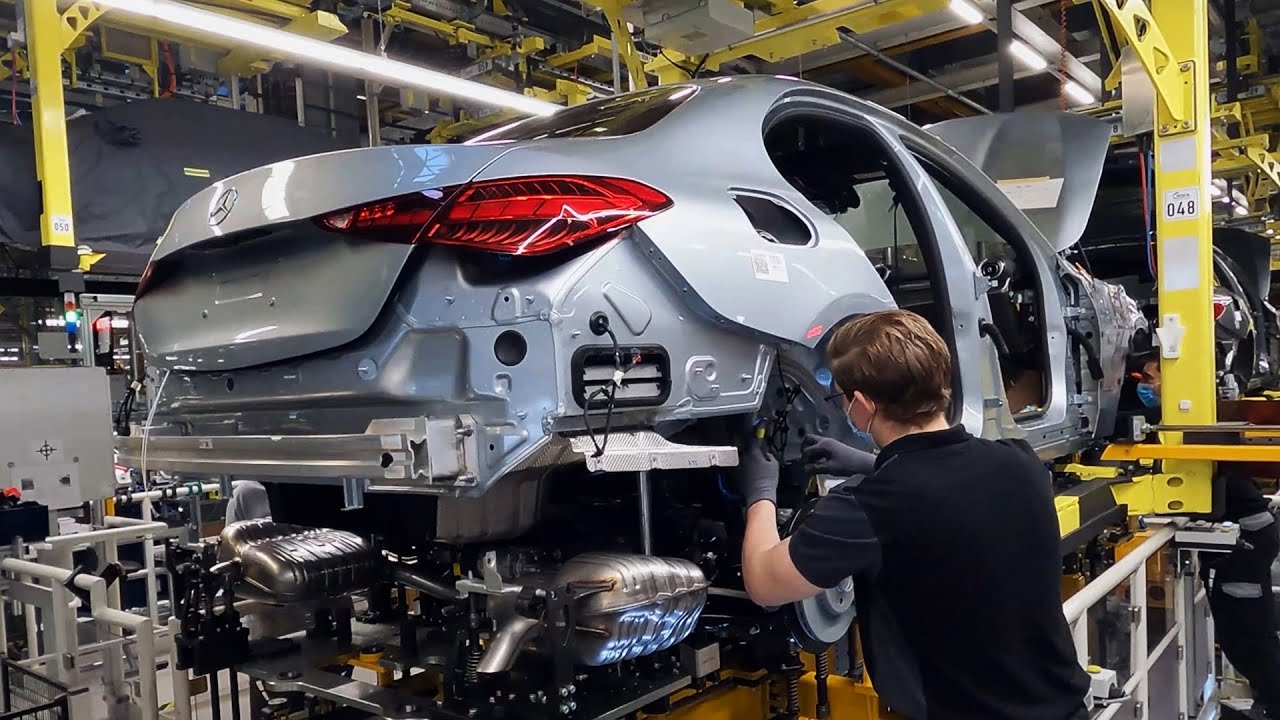
Nexperia is a vital supplier of automotive electronics. The company holds a 40% global market share in the production of key components such as transistors and diodes. These components, manufactured by Nexperia, are used in vehicles of major brands such as BMW, Toyota, and Mercedes-Benz. The suspension of exports to Europe by such a critical supplier indicates that a serious crisis is looming for automakers on the continent.
Current stocks are estimated to last only a few weeks. Therefore, European automakers have already begun searching for alternative suppliers. Major manufacturers such as General Motors, Volkswagen, and Toyota are negotiating with different suppliers to avoid production disruptions. Some companies are even restructuring their production plans in Europe.
However, it is not easy for alternative suppliers to step in so quickly. Automotive companies have revived the “war room” methods employed during the chip crisis during the pandemic, holding daily logistics meetings, negotiating with suppliers, and working on contingency plans. The European Automobile Manufacturers’ Association (ACEA) states that production shutdowns will be inevitable if a solution is not found.
If the problem is not resolved quickly, the impact of the crisis will also be felt by consumers. Production disruptions will extend delivery times and increase costs. Spare parts and maintenance processes may also be affected; shortages of electronic components can extend service times and delay some repairs.