
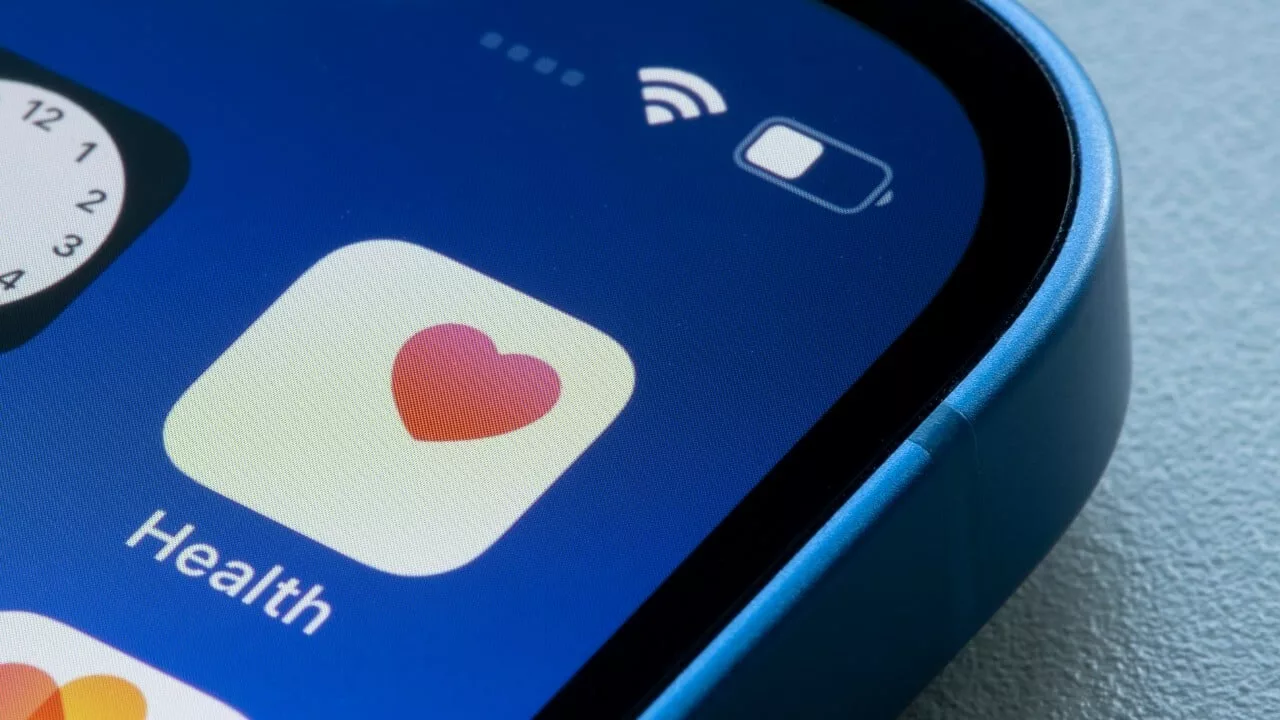
As Apple expands its footprint in health technologies, it is collaborating more closely with official regulatory bodies. In a significant new step, the App Store is beginning to add certified medical device labels to applications that meet specific criteria in the U.S., European Union, and UK markets. Developers of apps that offer medical utility or connect to medical hardware can now clearly demonstrate to users that their products are officially recognized legal tools.
Health Apps on the App Store to be Labeled as Medical Devices
For the new system to function, Apple has established several requirements. According to developer documentation, for an app to receive this specialized label, it must first be accessible in the relevant markets and be categorized under “Health & Fitness” or “Medical” in the store. Additionally, the app’s age rating survey must indicate frequent use of medical or treatment information. This broad definition spans from simple health tools to complex diagnostic systems.

These applications—used for purposes such as diagnosis, prevention, monitoring, and treatment—can operate standalone or be integrated with external hardware. Developers meeting the criteria are mandated to provide Apple with region-specific information, including:
- Manufacturer Registration Number: Unique identifier for the producing entity.
- User Manual Link: Direct access to official operating instructions.
- Statement of Intended Use: A clear declaration of the app’s medical purpose.
- Safety Warnings: Detailed alerts regarding potential risks or limitations.
In the U.S., registrations with agencies like the FDA are required, while similar local documentation is demanded for the European and UK markets.
Transparency and User Safety
A requirement of regulatory laws, these labels will allow users to easily distinguish between officially approved medical applications and general wellness tools. However, it is important to note that this label does not guarantee the app will successfully treat a condition or operate without error; it simply confirms that the product meets legal and safety standards.
As health-focused technologies become deeply integrated into our lives, consulting a physician before using tools that impact your health remains vital. What do you think about the reliability of health apps on the App Store? Will this new labeling system influence your choice of applications? Share your thoughts in the comments!
This move highlights Apple’s commitment to transforming the iPhone into a verified medical hub. Would you like me to research the specific FDA classifications (Class I, II, or III) that qualify for this label or look into how Google Play is responding with its own medical safety disclosures? Let me know!