
ADATA Warns Global RAM Shortage Will Last a Decade

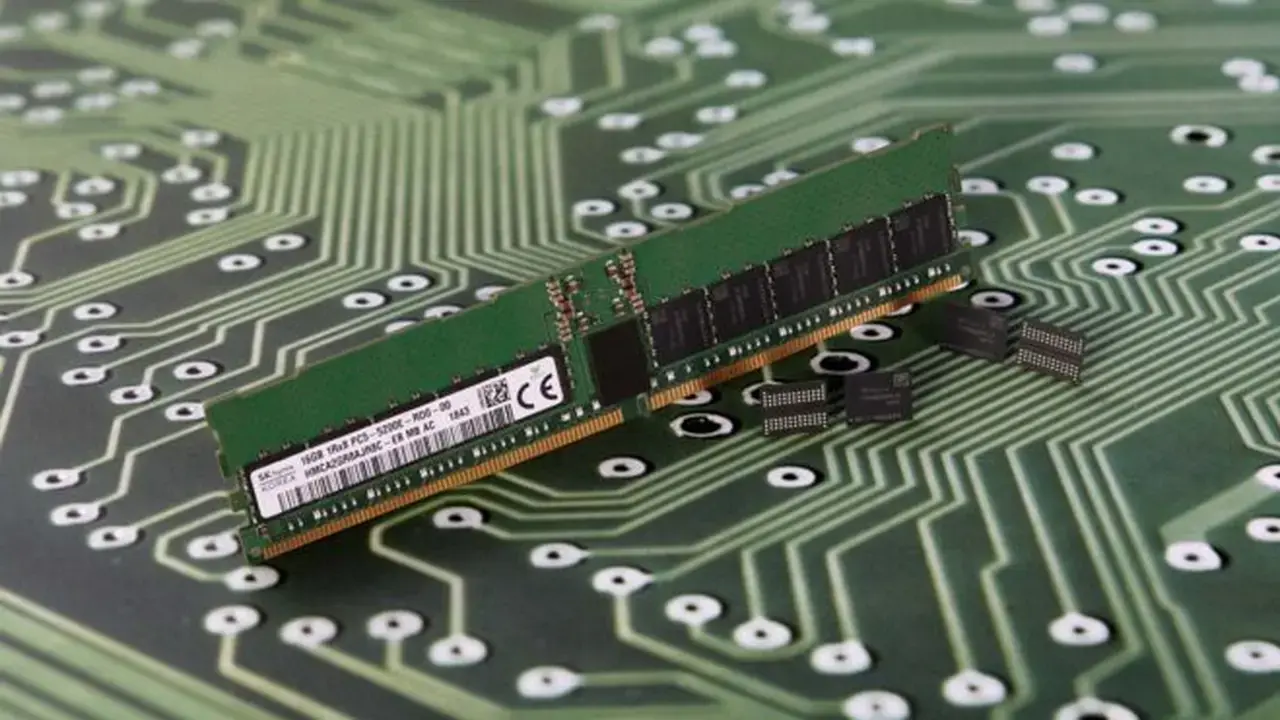
In a sobering assessment of the global semiconductor market, ADATA Chairman Li-bai has warned that the ongoing RAM shortage is set to persist for at least another ten years. Addressing the escalating global demand for DRAM, Li-bai noted that current manufacturing infrastructure and planned factory investments are fundamentally insufficient to satisfy the surging requirements of the tech sector. This long-term supply crisis is being driven primarily by the explosive growth of artificial intelligence systems, which are consuming vast amounts of high-performance memory. As manufacturers struggle to keep pace with these evolving technological demands, both industry leaders and end-users must prepare for a prolonged period of market volatility and hardware supply constraints.
- ADATA management projects that the global memory bottleneck will continue to impact the industry for the next decade.
- The rapid expansion of artificial intelligence infrastructure is forcing manufacturers to prioritize high-bandwidth memory (HBM) production.
- Industry analysts and sector executives agree that supply chain challenges related to memory will likely persist until at least 2030.
The structural imbalance between hardware production capacity and AI-driven demand threatens to keep component costs at historic highs for the foreseeable future.
Sectored Demand Challenges Current Production Capacities
Major players in the technology industry have reached a consensus that the current strain on memory markets represents a deep structural shift rather than a temporary fluctuation. SK Hynix CEO Kwak Noh-jung previously identified 2027 as the potential peak of this crisis, while SK Group Chairman Chey Tae-won has suggested that full market stabilization may not occur before 2030. 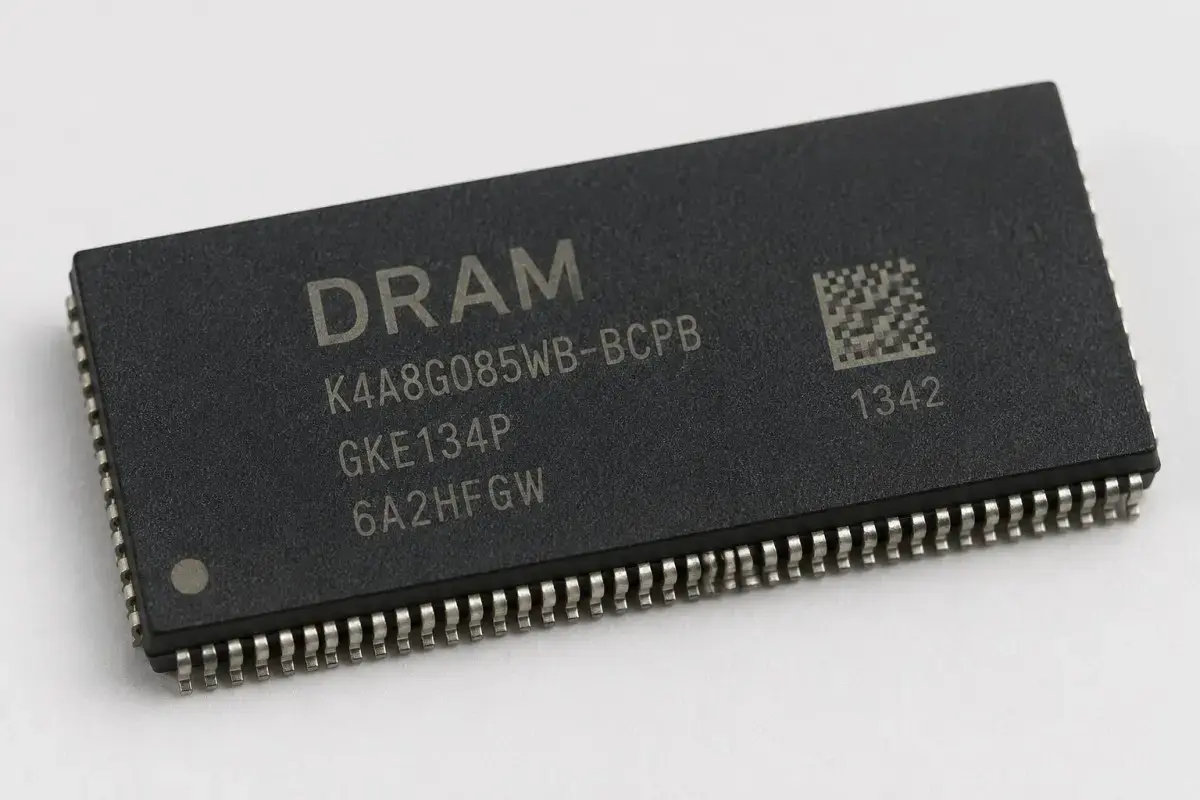 These companies are increasingly forced to allocate their limited manufacturing resources toward high-margin, data-center-focused HBM chips, leaving less capacity for standard consumer electronics.
This strategic pivot is creating a ripple effect across the entire hardware ecosystem. As production lines focus on the requirements of massive AI server farms, the availability of memory modules for personal computers and smartphones remains constrained. This shift in production priorities keeps the cost of standard RAM and SSD storage elevated, impacting consumers worldwide.
Artificial Intelligence Investments Reshape Market Dynamics
Modern artificial intelligence relies heavily on robust data centers, which serve as the foundation for current digital infrastructure. These systems require constant, high-speed memory access, effectively occupying the majority of global production capacity. Even as companies invest billions of dollars into building new semiconductor fabrication plants, the lead time for these projects often spans several years. Meanwhile, the pace of AI innovation continues to accelerate, consistently outstripping the industry’s ability to scale physical hardware manufacturing.
The rapid evolution of artificial intelligence is currently outpacing the global capacity for memory chip manufacturing.
Future Market Expectations Remain Highly Pessimistic
Analysts argue that the current memory shortage is more than just a temporary supply-side failure; it is a direct consequence of the global digital transformation. As societies become increasingly digitized, the reliance on high-performance data processing and storage units grows exponentially. The warning issued by ADATA serves as a stark reminder that the hardware sector is entering a decade defined by complex supply challenges. Unless significant breakthroughs in manufacturing efficiency or alternative architectures are realized, the industry faces a long and difficult road ahead.
How do you believe the ongoing surge in memory prices will influence your future hardware purchasing decisions, and what strategies should companies adopt to mitigate these long-term supply risks? Share your perspective in the comments section below.
Your comment has been submitted,
it will be published after approval.