
AI Apology Letter Leads to 27-Month Prison Sentence

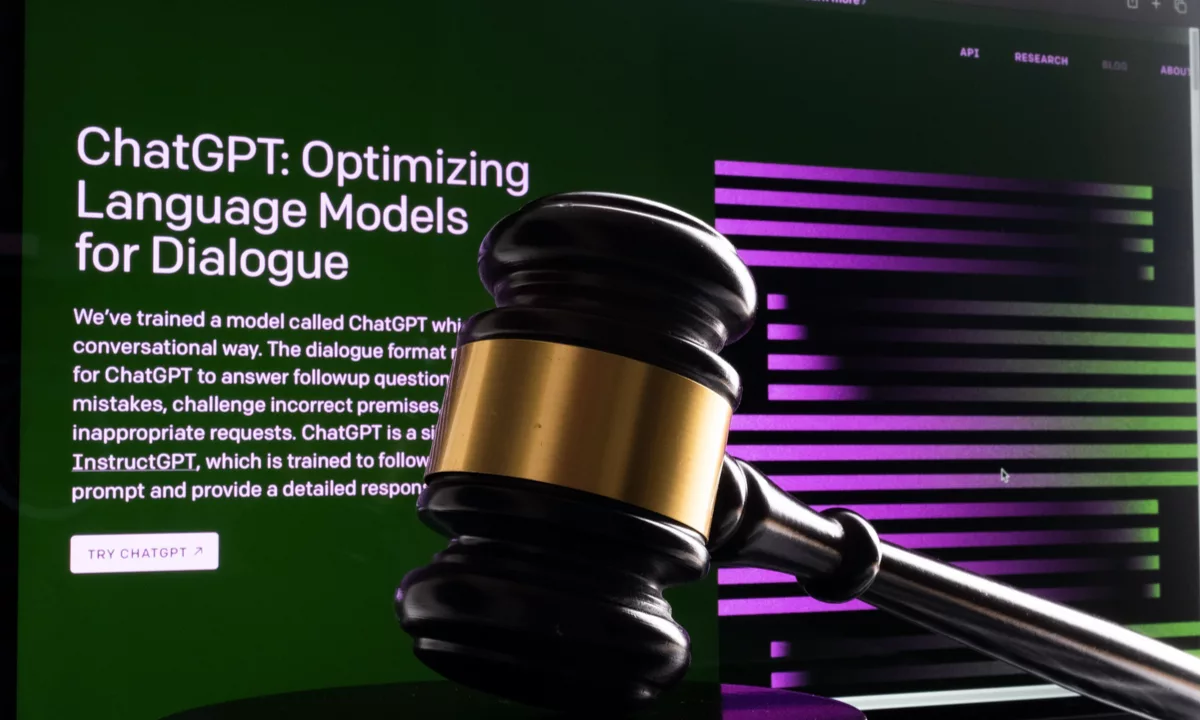
An unusual court case in New Zealand has highlighted the growing debate around artificial intelligence in our daily lives. A 37-year-old woman, convicted of setting fire to her rental home and assaulting a police officer, received a stiff sentence after her AI apology letter was identified by the judge. The incident raises a critical question: can a letter written by AI truly convey sincere remorse?
Why the Judge Rejected the AI Apology Letter
According to the New Zealand Herald, the case involved Michae Ngaire Win, who faced charges of arson, theft, assault, and resisting arrest. Win had prepared apology letters for the owner of the home she burned and the police officer she bit. However, Judge Tom Gilbert was reportedly unimpressed by the letters and their perceived lack of sincerity.
Suspecting the letters were not authentic, the judge took a novel approach. He revealed in court that he had used two different AI tools himself, prompting them to ‘draft a letter to a judge expressing my remorse.’ According to court records, Judge Gilbert stated that he immediately recognized the defendant’s letters as being almost entirely AI-generated, with only minor changes. This lack of authenticity played a significant role in his decision-making.
The Broader Debate on AI and Authenticity
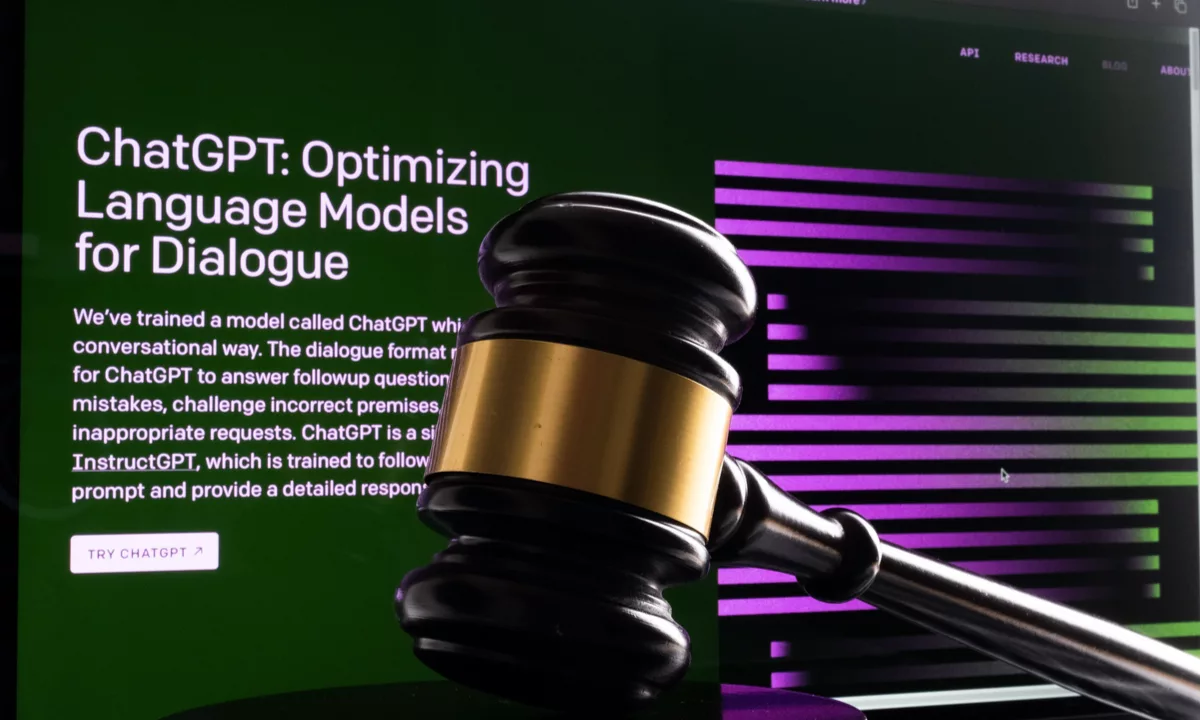
While the judge acknowledged that using AI isn’t inherently wrong, he emphasized that a letter generated by a computer does not reflect genuine personal contrition. This case touches on a wider discussion about the role of AI in creative and personal expression. For instance, the U.S. Copyright Office has already ruled that works created solely by AI cannot be copyrighted, underscoring that they lack human authorship.

Additionally, the incident mirrors concerns in academia, where students using tools like ChatGPT for assignments raise questions about future literacy. Experts warn against relying on standard AI for critical tasks, such as preparing legal documents. Ultimately, in this New Zealand case, the defendant, who might have otherwise received home detention, was sentenced to 27 months in prison, partly due to the insincere AI-written apology.
So, what are your thoughts on the use of AI in legal matters? Share your opinions with us in the comments!
Your comment has been submitted,
it will be published after approval.