


Los Angeles-based startup Quilter has unveiled Project Speedrun, a new Linux computer that has made waves in the hardware world. Developed entirely with artificial intelligence (AI), this system consists of 843 components on a dual printed circuit board (PCB). The entire design and assembly process was surprisingly completed in just one week. AI handled the bulk of the design work, while engineers only contributed 38.5 hours of human input.
AI completed in one week what engineers did in three months: Project Speedrun
The result is quite remarkable compared to traditional manufacturing processes. The computer worked flawlessly on its first attempt and successfully booted the Debian operating system. Normally, completing a similar project requires approximately three months of intensive work from a team of experts. AI significantly shortened this time by automating the repetitive design, implementation, and cleanup phases that limit engineers’ creativity and waste time.
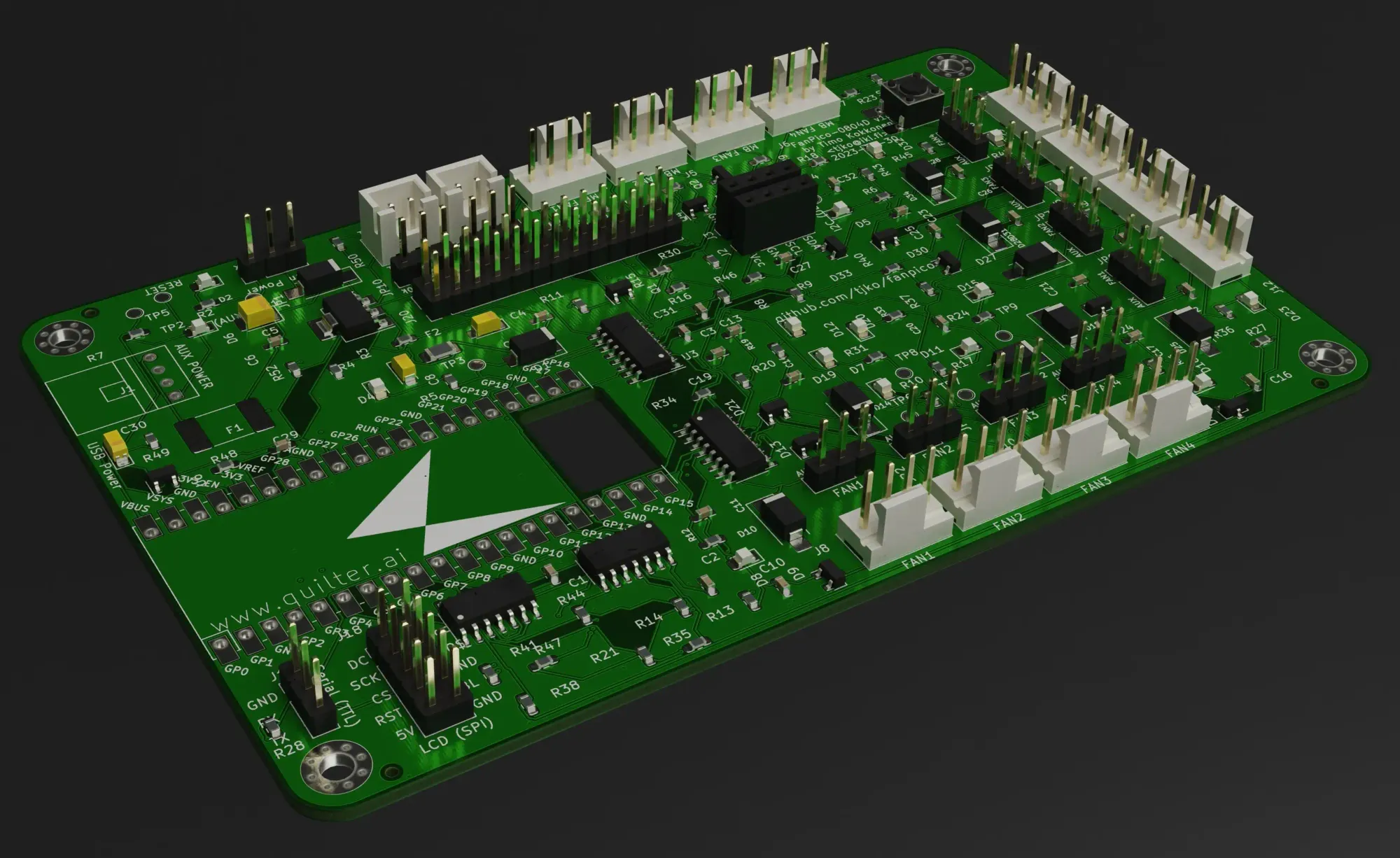
Quilter trained its AI using a method far different from known language models like GPT-5 or Claude. Instead of mimicking human-made circuit boards that can contain errors, the system learned by optimizing the physical laws governing circuit design. This approach allowed the system to operate without being hampered by human limitations. Focusing on physics-based optimization, the AI increased efficiency by suggesting new layouts and component arrangements.
Thanks to this technology, the role of engineers shifted from performing repetitive manual tasks to overseeing the process and making creative improvements. Eliminating manual bottlenecks allows teams to experiment and explore experimental designs faster. Quilter CEO Sergiy Nesterenko predicts that in the future, AI will not only match human engineers but also create circuit board designs far superior to anything humans have attempted to date.
This developed method has the potential to reduce obstacles for startups by enabling small teams to complete complex workstation designs much faster. However, while this approach accelerates innovation, its long-term reliability in more complex systems has not yet been fully proven. What are your thoughts on entrusting hardware design processes entirely to artificial intelligence?