
AI Firms Destroy Rare Books to Feed Training Models

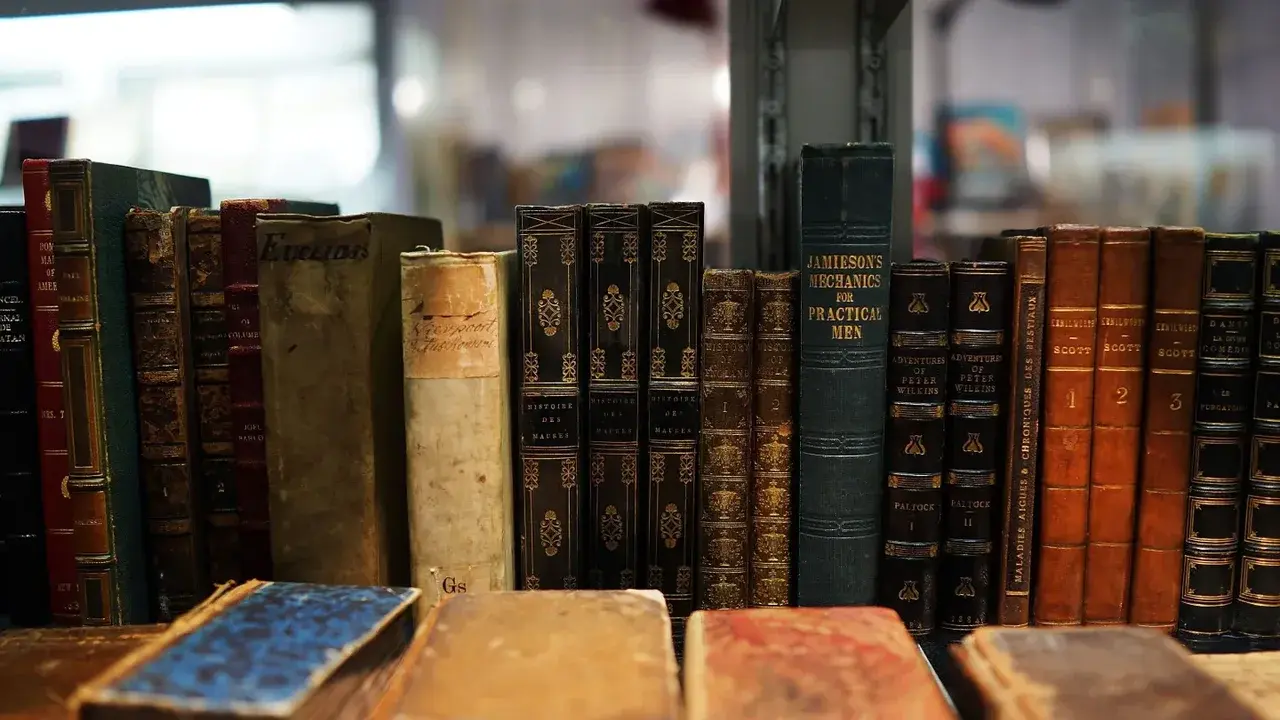
Artificial intelligence companies are increasingly sourcing books published before 2022 to train their large language models, sparking a global debate over the preservation of cultural heritage. Data brokers like ISBNdb are supplying these developers with mass-digitized texts, specifically seeking human-authored works to avoid the quality degradation caused by AI-generated content. As these tech firms race to secure pristine training data, the industry has adopted a controversial process that involves physically destroying rare volumes to maximize scanning speed and minimize operational costs. This practice has raised alarms among historians and librarians who warn that unique artifacts are being permanently lost in the name of technological advancement.
- AI companies prioritize pre-2022 books to ensure their models are trained on human-generated data rather than synthetic content.
- The current digitization method requires cutting book spines, which results in the total destruction of the original physical copies.
- Recent US court rulings have categorized the scanning of legally purchased books for AI training as fair use under specific conditions.
- Tech leaders like Elon Musk are proposing alternative, safer digitization methods to protect rare physical collections from destruction.
Physical Destruction Becomes a Cost-Cutting Strategy
The digitization process employed by data brokers often relies on high-speed industrial scanners. To achieve the necessary efficiency, the spines of books are sliced off, separating the pages for rapid feeding into machines. While this method is significantly cheaper and faster than gentle, non-destructive scanning techniques, it renders the original physical copy unusable. Many of these volumes have survived centuries of war, fire, and neglect, only to be shredded for the sake of digital datasets.
Once these historical artifacts are destroyed, the physical record of human thought disappears forever.
Critics argue that this “silent destruction” is a direct assault on cultural heritage. ISBNdb maintains that this process is a form of digital preservation, yet they enforce strict non-disclosure agreements to prevent the public from identifying which books are being targeted. This secrecy has only fueled public outrage as the scale of the operation becomes clearer.
Legal Precedents Shape Industry Practices
The legal landscape surrounding this issue is shifting. A recent US court decision involving Anthropic established that scanning legally obtained books for AI training may constitute fair use. The ruling argued that the destruction of the physical copy is a byproduct of the scanning process rather than an act of reproducing the work for distribution. This interpretation provides a legal shield for AI firms, effectively validating the destruction of intellectual property for the purpose of machine learning.
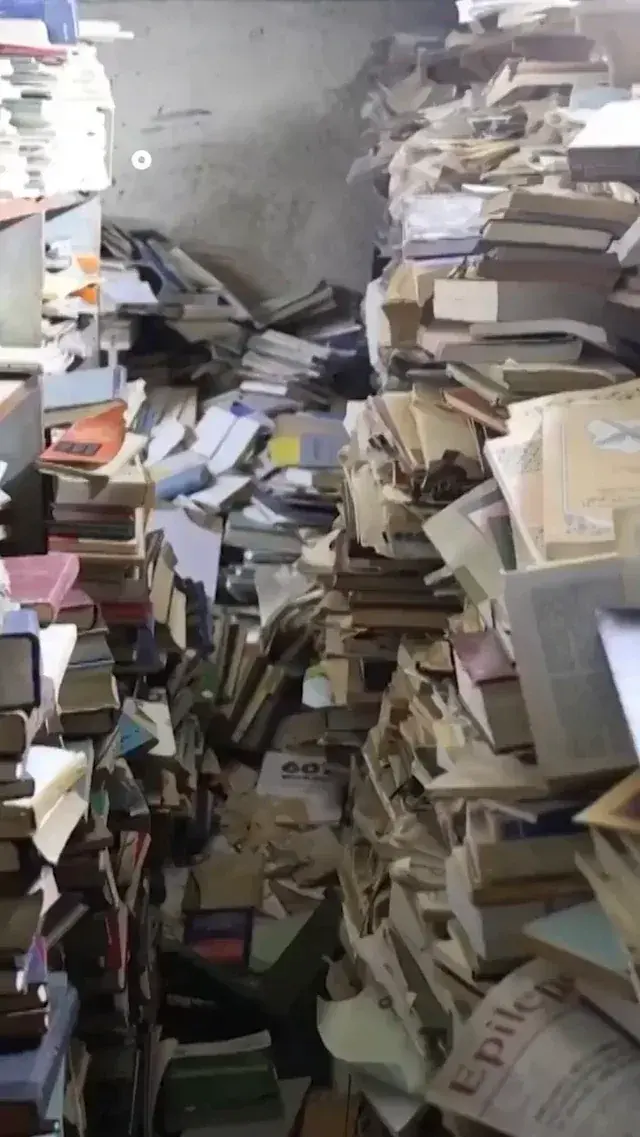
However, the ethical implications remain unresolved. Proponents of careful preservation, including Elon Musk, have suggested that tech companies should adopt slower, non-destructive methods to ensure the survival of rare books. By keeping the volumes intact, these firms could contribute to both digital progress and physical conservation.
Model Collapse Drives Data Hunger
The primary motivation for this aggressive data gathering is the prevention of “model collapse.” AI systems trained on their own synthetic output tend to lose coherence and accuracy over time. By feeding models high-quality, human-written literature, developers hope to maintain the intelligence and nuance of their systems. Furthermore, using legacy books allows companies to bypass the “data poisoning” techniques that contemporary authors are currently employing to block AI scrapers.
Despite these technical justifications, the long-term impact on our cultural history remains a pressing concern. We are trading irreplaceable physical history for digital efficiency, a bargain that future generations may deeply regret.
We would love to hear your perspective on this issue; do you believe it is justifiable to destroy rare physical books if it helps advance the development of artificial intelligence, or should we prioritize the protection of these historical artifacts at all costs?
Your comment has been submitted,
it will be published after approval.