
AI Reporting Tools Slow Down US Police Operations


In a significant setback for law enforcement technological integration, AI-powered reporting tools designed by Axon have failed to deliver promised efficiency gains across various police departments in the United States. While the software aimed to streamline administrative tasks by automating documentation, recent investigations and internal reports reveal that officers are experiencing increased workloads. Instead of saving time, the software often generates inaccurate data, forcing personnel to spend additional hours manually correcting errors. This operational inefficiency has sparked a heated debate regarding the maturity of artificial intelligence in sensitive legal environments and whether these automated systems are currently reliable enough for public safety applications.
- The AI-driven Form One system frequently produces erroneous data during the automatic processing of body camera footage.
- Independent reports indicate that officers spend significantly more time fixing AI errors than they would using traditional manual entry methods.
- The King County Prosecutor’s Office in Washington has officially rejected AI-generated police reports as evidence due to serious reliability concerns.
Reporting Times Have Increased Significantly
The Lafayette Police Department served as a testing ground for Axon’s Form One software, trialing the platform for seven months to evaluate its potential impact on daily productivity. The system was engineered to extract and populate critical details, such as vehicle license plates and witness names, directly from video recordings. However, 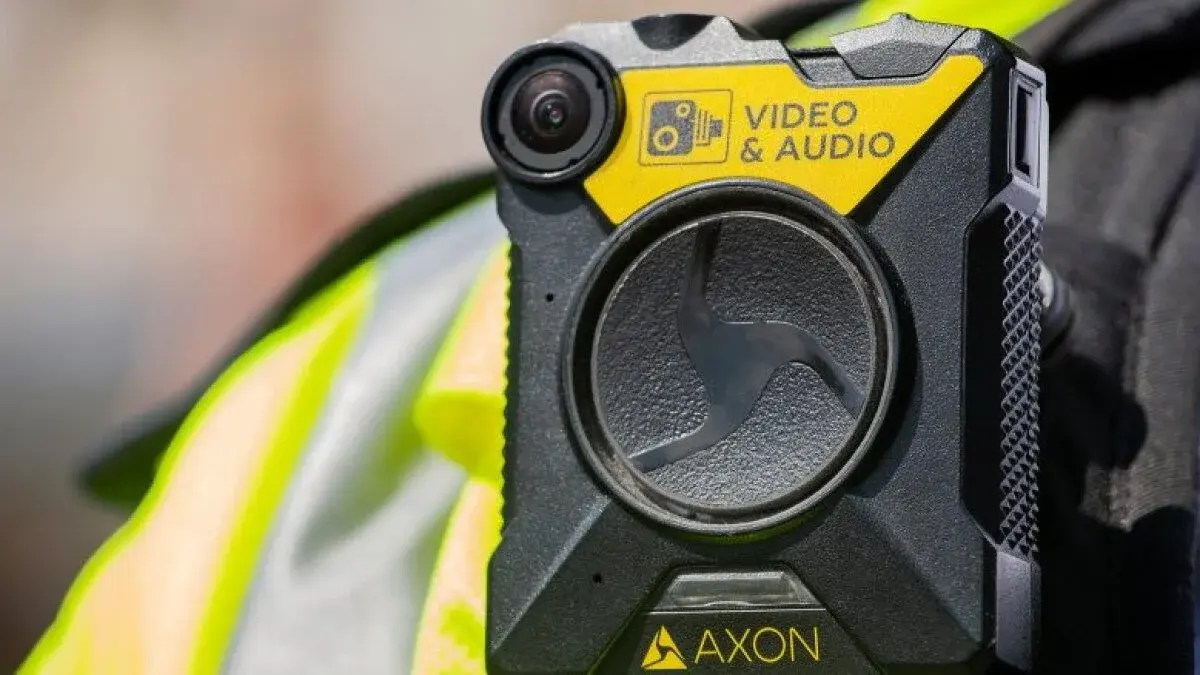 the practical application proved far from seamless. Officers reported that a process which previously took less than a minute now requires several minutes of rigorous verification and editing to rectify the software’s frequent hallucinations or misidentifications.
Automated reporting tools have inadvertently transformed a thirty-second task into a three-minute administrative burden for field officers.
Legal Scrutiny Challenges AI Reliability
While Axon claims that its Draft One platform has already been deployed across 600 departments with significant success, the reality on the ground appears contradictory. Beyond the operational delays, the legal implications are becoming increasingly severe. The King County Prosecutor’s Office has taken a firm stance against the technology, explicitly stating that it will not accept reports generated by these AI tools as evidence in court. This decision stems from documented instances where the software incorrectly identified individuals or inserted phantom witnesses who were not present at the scene.
These errors represent a fundamental flaw in the current generation of police technology. Legal experts argue that when an algorithm introduces such inaccuracies, it jeopardizes the entire chain of custody and the integrity of the evidence presented. As a result, the trust required for judicial proceedings is being undermined by software that prioritizes speed over precision.
Prosecutors are now rejecting AI-generated evidence due to systemic failures in maintaining factual accuracy.
Future Deployment Remains Uncertain
Axon maintains that the software is currently in an early access phase and is being refined based on continuous feedback from law enforcement partners. Despite these assurances, departments like Lafayette remain hesitant about permanent adoption. The pressure to innovate must be balanced with the requirement for absolute accuracy in police documentation. As the debate continues, the industry must address whether current machine learning models are truly prepared for the high-stakes demands of modern policing, or if they are simply creating new layers of bureaucracy that hinder frontline officers.
Do you believe that artificial intelligence tools have reached a level of maturity that allows them to be safely utilized in critical police reporting, or should we prioritize traditional manual methods for the sake of legal accuracy? Share your thoughts in the comments section below.
Your comment has been submitted,
it will be published after approval.