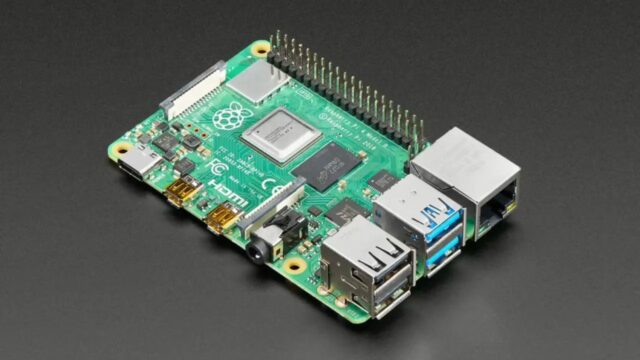


Amazon Web Services (AWS) has officially announced a new product called “AI Factories” for enterprise customers and governments. This new service allows large organizations to run advanced AI systems in their own data centers. AWS offers this system with a relatively simple model: Customers provide the necessary power and data center space, while AWS installs and manages the AI system. This structure is also fully integrated with other AWS cloud services.
AWS AI Factories Announced: Your Data is Now Safer
The primary goal of this initiative is to provide a secure solution for companies and government agencies concerned about data sovereignty. Customers want absolute control over their data while conducting their operations. With an on-site AI Factory, data is not sent to an external model developer, nor is hardware shared with other customers. This eliminates the risk of sensitive information being compromised by competitors or foreign entities.
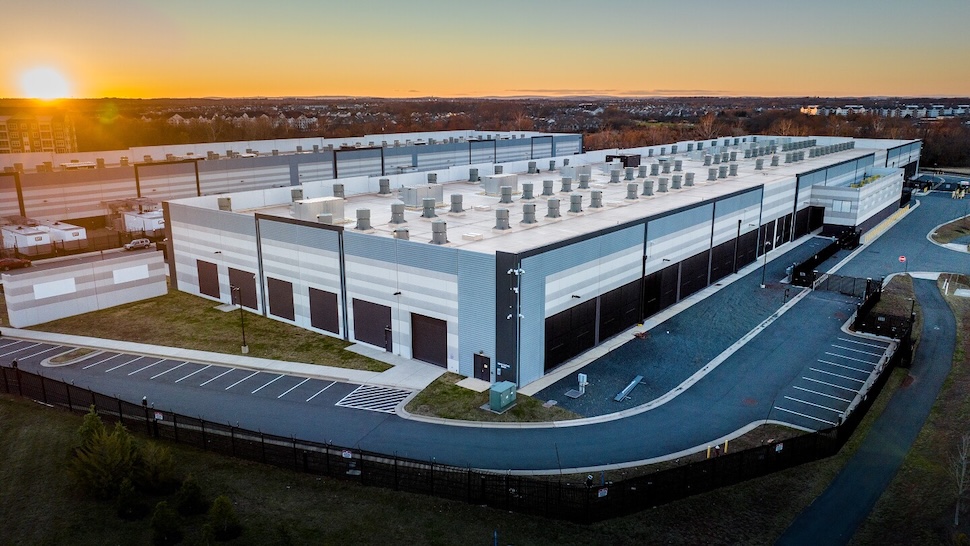
The term “AI Factory” is not unfamiliar to the tech world. Nvidia has long referred to its hardware systems, equipped with all the necessary tools to run AI, as this term. AWS and Nvidia state that this new service is, in fact, a strategic partnership between the two companies. Companies using these systems have the option to choose either Nvidia’s latest Blackwell GPUs or Amazon’s new Trainium3 chip on the hardware side.
On the infrastructure side, AWS utilizes its own networking, storage, database, and security solutions. Additionally, users can utilize Amazon Bedrock for AI model selection and management. AWS SageMaker AI tools are also available for model creation and training, creating a powerful hybrid architecture that combines hardware and software.
Amazon, AWS, Nvidia, AI
Of course, AWS isn’t the only major cloud provider building Nvidia AI Factories. Microsoft also recently announced that it has launched similar systems in its global data centers to run OpenAI workloads. Microsoft previously stated that it would establish data centers in local countries to address the issue of data sovereignty and added “Azure Local” hardware, which can be installed at customer sites, to its list of options.
These developments in the industry also reveal an interesting irony. Artificial intelligence technology is forcing the largest cloud providers to re-invest in enterprise-specific private data centers and hybrid clouds. This is leading to speculation in the tech world that the local server trends of yesteryear are reviving. So, what are your thoughts on these new systems and the efforts of large companies to keep their data on-site rather than in the cloud?