
AMD CEO Lisa Su Predicts Processor Market Will Grow 10x

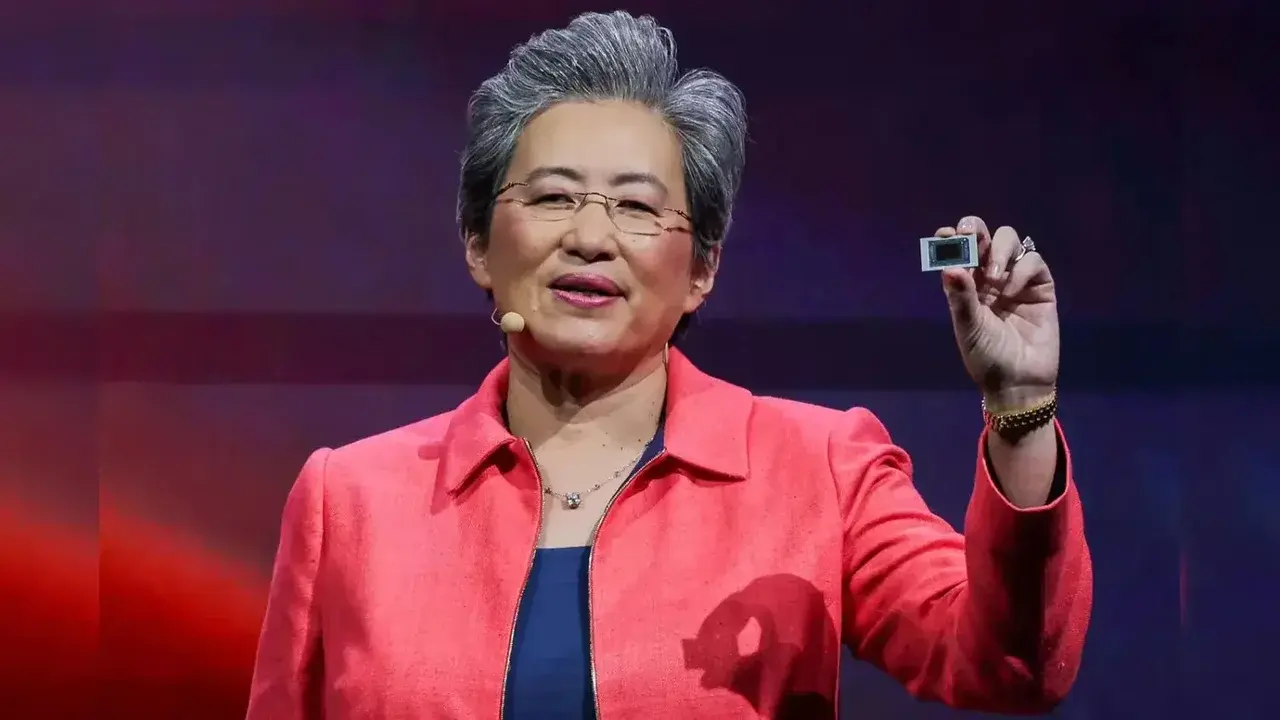
At the OCP Global Summit 2026, AMD CEO Lisa Su announced that the global processor market is poised for a massive transformation, projecting a 10-fold growth by 2030. Driven by the rapid rise of artificial intelligence agents and the increasing demand for high-performance computing, Su identified 2026 as the “year of inference.” AMD has revised its market outlook upward three times in the last nine months, signaling confidence that the sector will exceed a $200 billion valuation within the next few years. This strategic shift reflects the company’s commitment to delivering advanced data center solutions to meet evolving global computational needs.
- The global processor market is expected to surpass a $200 billion valuation by the year 2030.
- AMD projects a 50 percent compound annual growth rate for the processor sector over the next five years.
- Inference workloads are predicted to account for approximately 60 percent of the total artificial intelligence computing market in 2026.
- The company has officially launched new Helios and Helion rack-scale systems to support large-scale AI infrastructure.
Market Projections Indicate Tremendous Expansion
AMD’s latest financial and technical forecasts suggest that the total addressable processor market will experience unprecedented growth. Having stood at approximately $20 billion last year, the market is now on a trajectory to reach $200 billion by 2030. The primary catalyst for this surge is the emergence of autonomous AI agents that require significantly higher computational power than traditional software models. Because these agents must plan tasks and execute multiple concurrent processes, the demand for specialized hardware is scaling at an exponential rate.
Lisa Su emphasized that the market for data center AI accelerators could approach a $1.5 trillion valuation by the end of the decade. This trend suggests that capital investments are diversifying beyond simple GPU hardware to include a broader ecosystem of interconnected processing technologies. As autonomous functionality becomes a standard requirement for enterprise operations, the pressure on processor manufacturers to innovate will continue to mount.
Advanced Data Center Solutions Are Being Deployed
During the OCP Global Summit, AMD unveiled its latest hardware advancements, specifically the Helios rack-scale AI system. This platform is currently being deployed by major industry players, including OpenAI, Meta, Microsoft, Oracle, and Anthropic. Built on the Zen 6 architecture, the Helios system integrates 72 GPUs per rack, offering a 30 percent increase in tokens processed per dollar compared to competing platforms. The company intends to scale up production significantly between the final quarter of 2026 and the first half of 2027.
Complementing the Helios line, AMD introduced the Helion AI rack, which adheres to OCP open hardware standards. This system features more than 32,000 Zen 6 cores and supports up to 32 Instinct MI350 GPUs. Designed for efficiency, the Helion rack provides 40 percent more processor cores than rival solutions. It supports both air and liquid cooling, offering flexibility for modern data center environments.
Server Efficiency Is Being Prioritized
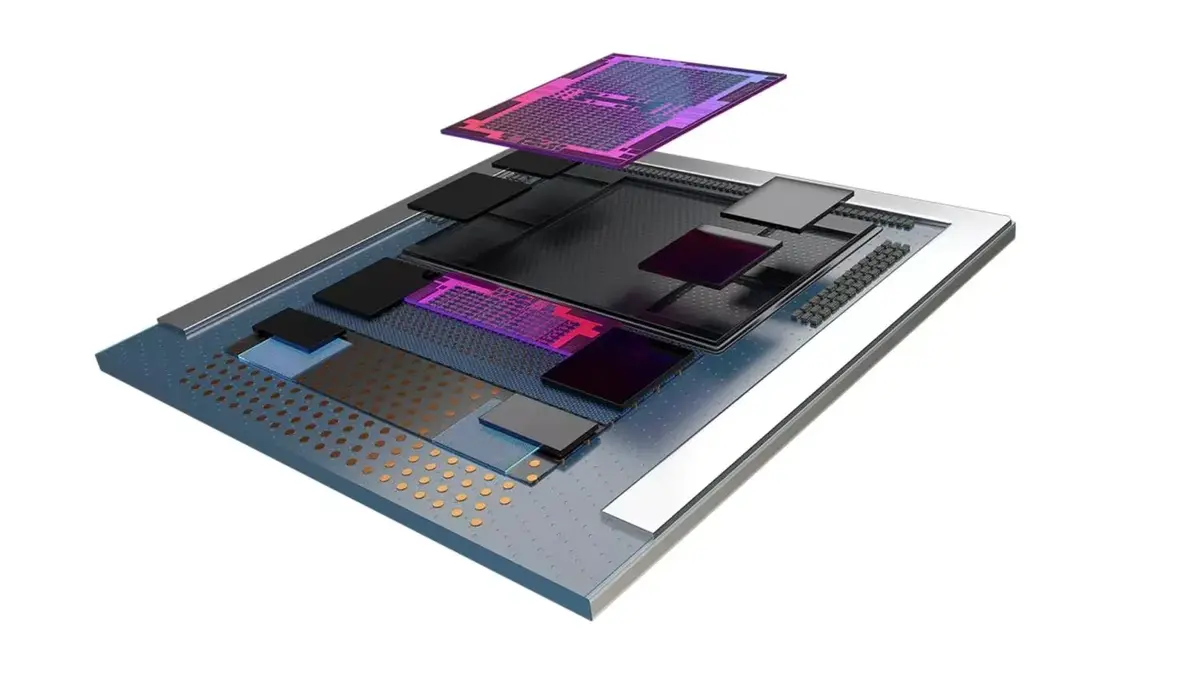
AMD also highlighted the EPYC Verano server processor, which utilizes the Venice CPU core architecture. This processor is equipped with six core complex dies, supporting up to 192 CPU cores and enhanced bandwidth between the CPU and GPU. By focusing on design improvements that reduce overall power consumption, AMD aims to set a new standard for efficiency in high-density computing environments. These innovations ensure that the infrastructure supporting the AI revolution remains sustainable in the long term.
As we move toward an era dominated by autonomous AI agents, do you believe these hardware breakthroughs will eventually force a similar revolution in the performance capabilities of our personal home computers? Share your thoughts in the comments section below.
Your comment has been submitted,
it will be published after approval.