

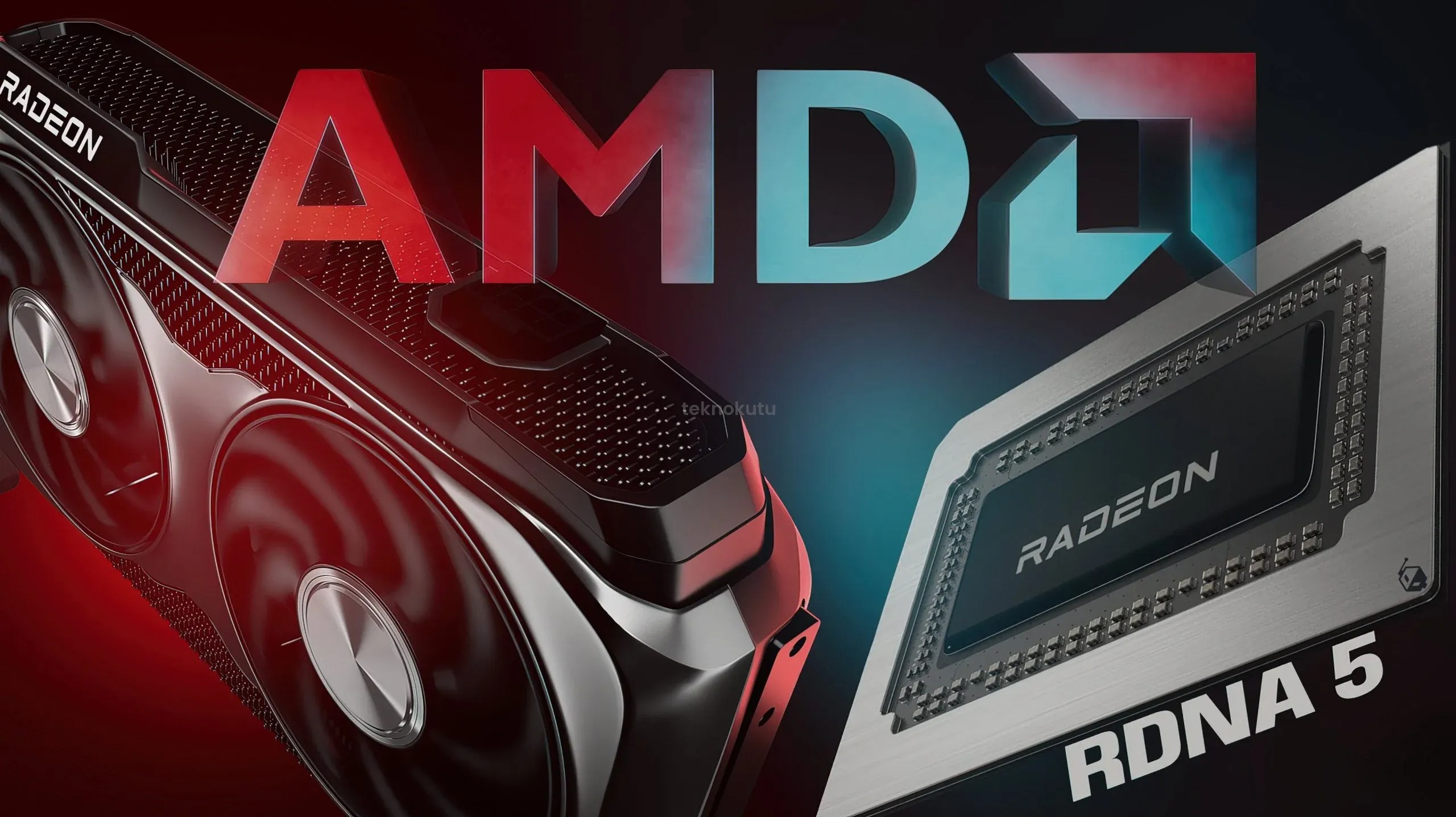
AMD’s next-generation Radeon GPUs widely referred to as RDNA 5 have reportedly reached the tape-out stage and will be manufactured using TSMC’s N3P node, not Samsung’s. That’s according to Kepler_L2, a reliable leaker with a history of accurate AMD disclosures. If true, the roadmap suggests that 2026 will be a quiet year for Radeon, with mid-2027 set as the new target window for AMD’s next big graphics push.
TSMC N3P chosen for RDNA 5, not Samsung

Recent speculation claimed AMD might shift GPU production to Samsung Foundry, eyeing its 2 nm or 4 nm processes. Kepler_L2 quickly shut that down, stating the upcoming Radeon chips have already taped out at TSMC, solidifying AMD’s ongoing partnership with the Taiwanese chipmaker for its premium GPU lines.
This aligns with AMD’s historical preference for TSMC’s advanced nodes, especially for GPUs where yield, performance-per-watt, and driver maturity are critical. If RDNA 5 is truly using the N3P (Performance-focused 3nm) process, it could offer significant efficiency and performance gains over RDNA 3.
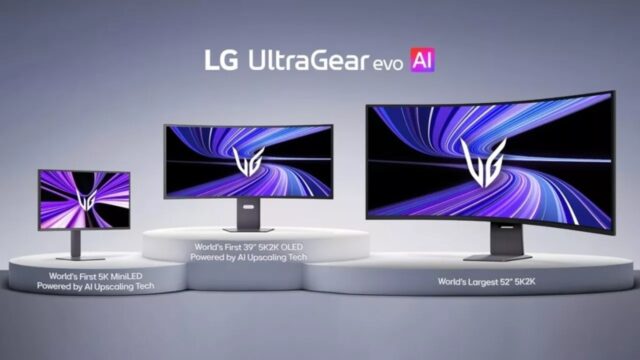
LG unveils three UltraGear evo 5K gaming monitors with OLED, Mini LED, and ultra-wide formats featuring up to 330Hz refresh rates.
Radeon roadmap quiet through 2026
If AMD is aiming for a mid-2027 launch, then 2026 could remain GPU-light. In fact, signs already point to a strategic silence. AMD didn’t show any Radeon content during its CES 2026 keynote and hasn’t confirmed any new desktop GPUs beyond vague references to “next-gen gaming architectures” and AI-accelerated graphics.
That contrasts sharply with AMD’s CPU roadmap, which includes confirmed 2nm development for future EPYC chips. On the GPU side, branding like “RDNA 5” hasn’t even been acknowledged publicly adding to the sense that the graphics division is on a long-cycle pivot.
What we’re hearing about RDNA 5:
- Manufactured on TSMC N3P, not Samsung
- Taped out, meaning silicon design is finalized
- Mid-2027 launch hinted likely Q2 or Q3
- Emphasis on AI acceleration, Radiance Cores, and ray/path tracing
- Collaborative development with Sony via “Project Amethyst”
- Internally labeled GFX13 with multiple die variants (AT0–AT4)
- Possible HDMI 2.2 support (rumored)
- AI compression and memory bandwidth optimizations in development
Project Amethyst may shape both desktop and console GPUs
One of the few known data points is AMD’s joint project with Sony, called Project Amethyst. It focuses on next-gen rendering technologies designed for both desktop GPUs and consoles. Key features include Neural Arrays for AI-driven graphics and enhanced Radiance Cores for real-time ray tracing. AMD also plans to introduce smarter compression techniques to reduce memory load. These technologies are expected in future Radeon GPUs and the next PlayStation, pointing to a more unified graphics pipeline across AMD’s platforms.
A long wait, but possibly a major leap
With 2026 shaping up to be a gap year for Radeon and memory costs still climbing, AMD’s decision to delay may be more tactical than troubling. Launching RDNA 5 too early amid price instability and limited supply could have undermined its reception.
Instead, AMD seems to be playing the long game, letting TSMC refine its 3nm process while developing a GPU lineup that can compete more directly with NVIDIA’s AI-centric hardware and shifting gamer demands.
If RDNA 5 lands as expected in 2027, it may be a much-needed reset button for Radeon’s desktop presence. But until then, the silence is likely to continue and that might be the smartest move AMD makes all year.