
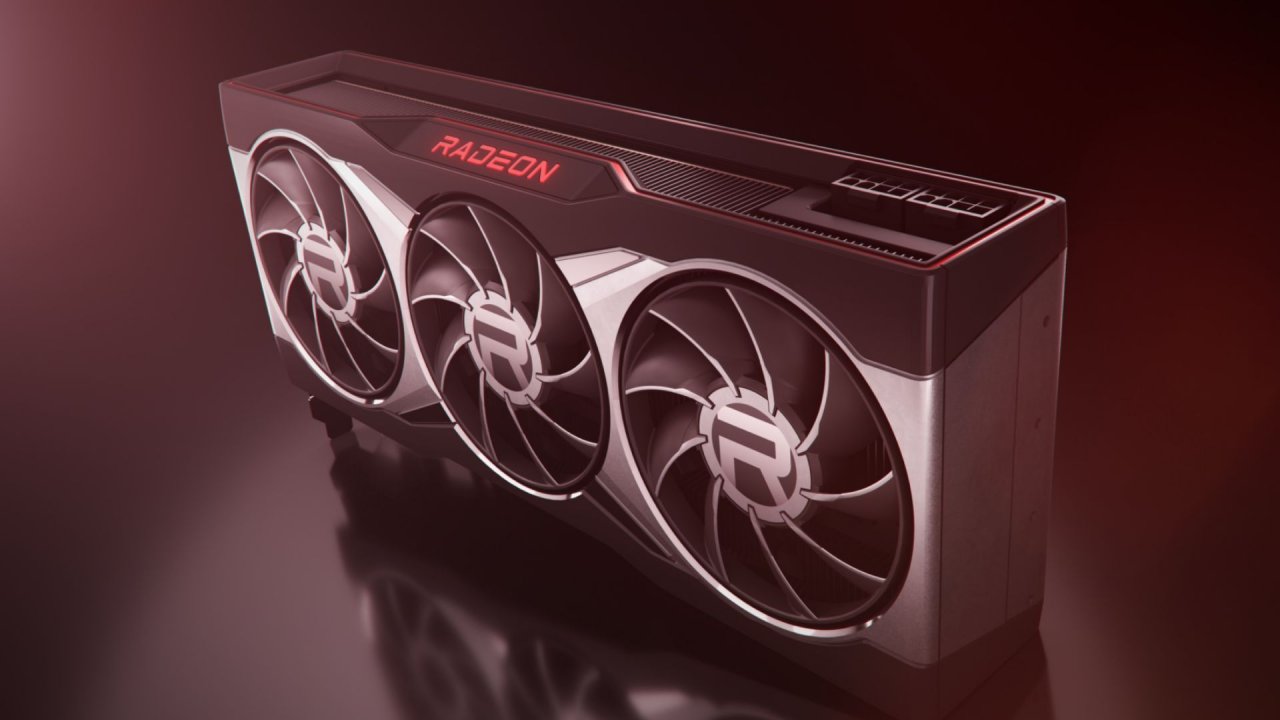
There’s a flurry of activity in the technology world regarding AMD’s next-generation graphics card architecture, RDNA 5. According to reliable leak sources, the company’s next major GPU move, the RDNA 5 series graphics cards, will be released in mid-2027.
AMD is developing new graphics cards.
Details shared from within the industry clarify that AMD has opted for TSMC’s N3P node instead of Samsung Foundry for its manufacturing process. This timeline, following the completion of the design phase, parallels the standard schedule required for mass production of the chips. While the company’s current roadmap points to a quiet period on the Radeon side, 2026 is expected to be a year without announcements in this area.
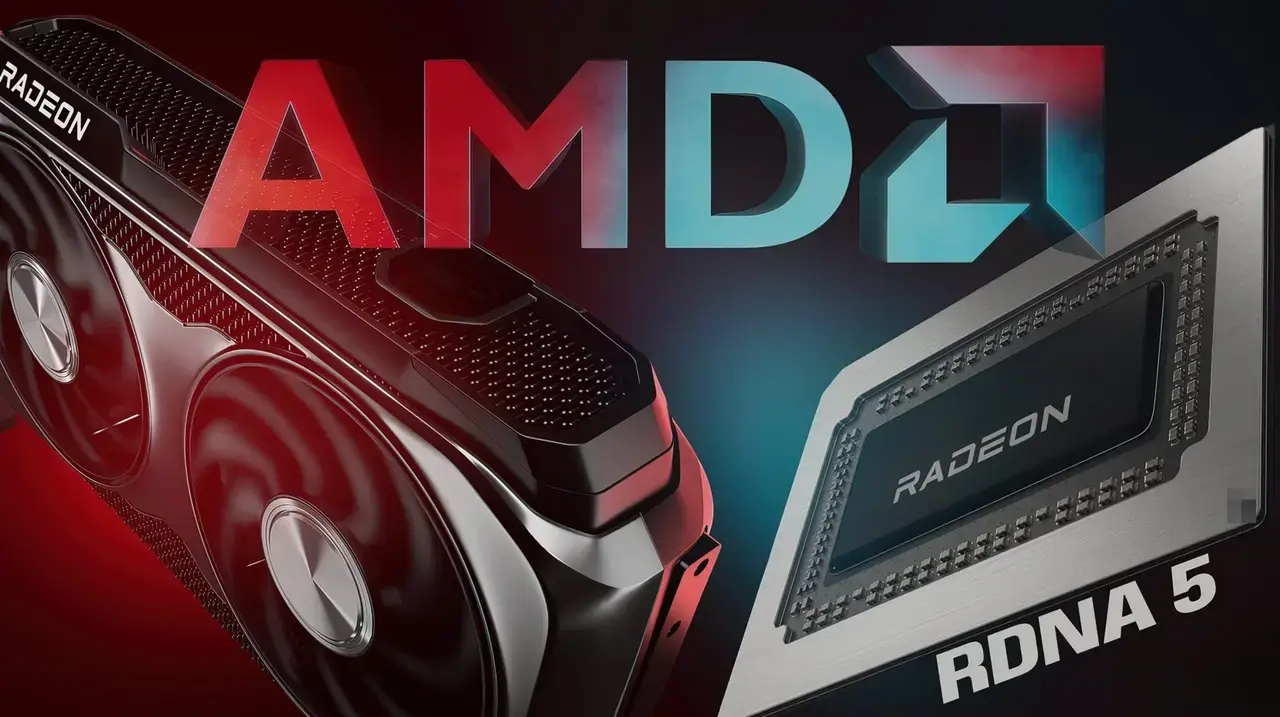
The technical infrastructure of the RDNA 5 architecture is being shaped within the scope of “Project Amethyst,” a partnership between AMD and Sony. This new generation architecture is built on three fundamental technological pillars: Radiance Cores, Neural Arrays, and Universal Compression.
Radiance Cores units promise significantly higher performance compared to previous generations by accelerating ray tracing calculations at the hardware level. Neural Arrays, directly integrated into the GPU architecture, increase efficiency in tasks such as image scaling and frame generation by performing AI-based operations. Universal Compression technology aims to utilize memory bandwidth much more effectively by optimizing data compression methods.
It is predicted that future Radeon graphics cards, as well as the next generation of game consoles, will share these technologies. AMD’s skipping its RDNA 4 architecture products at CES 2025 proves that the company is focusing all its efforts on this major architectural leap coming with RDNA 5.
This new structure, which includes radical changes in ray tracing and AI acceleration, heralds a shift from traditional rasterization methods to a hybrid and intelligently designed processing model. The strong connection between desktop gaming cards and console hardware shows that products released in 2027 will affect not only the PC platform but the entire gaming ecosystem.