
Android 17 Revolutionizes Gaming Experience on Foldable Devices

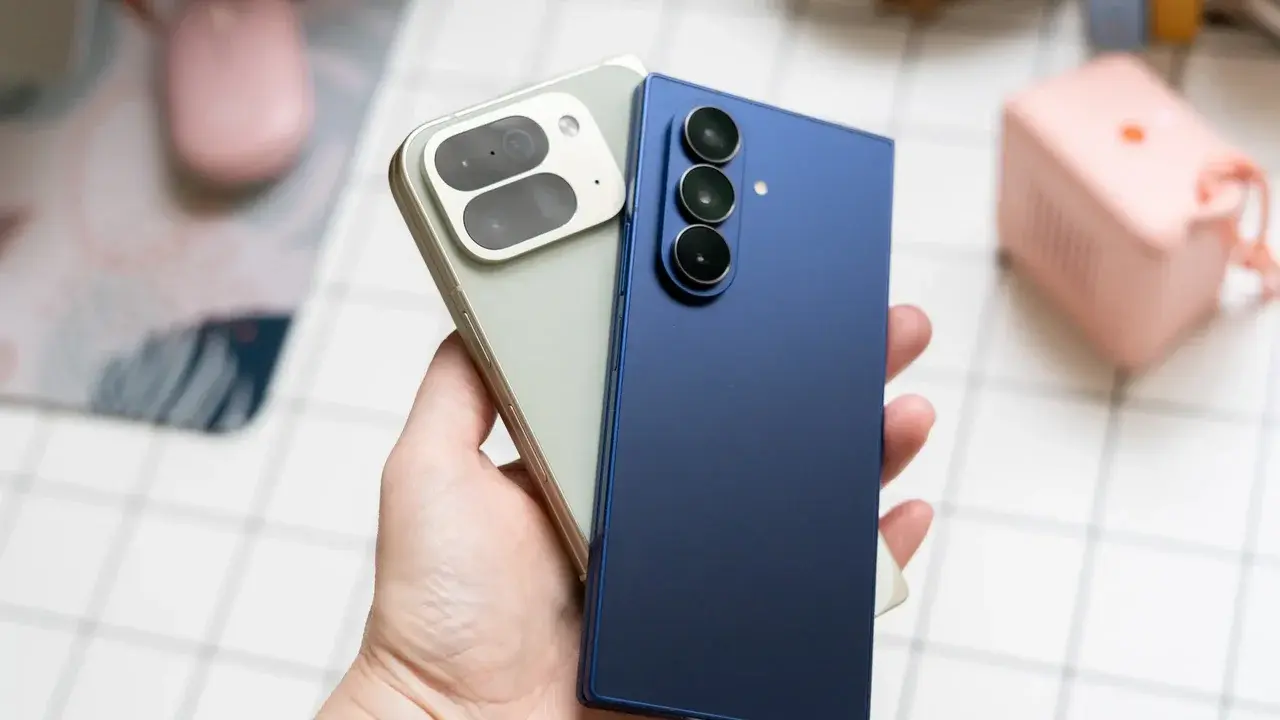
Google is set to address one of the most persistent ergonomic challenges for foldable phone users with the upcoming release of Android 17. By introducing a native, system-level gaming mode, the tech giant aims to transform the lower half of a foldable device’s inner screen into a versatile virtual controller. This innovative approach seeks to improve the foldable gaming experience by eliminating the need for external Bluetooth peripherals while ensuring that touch controls remain accessible during gameplay. The feature is expected to launch alongside the final version of the operating system, providing a seamless transition for mobile gamers globally.
- Android 17 introduces a native virtual controller feature that splits the foldable screen into a 50/50 display and input area.
- The system automatically detects game compatibility and simulates hardware button presses without requiring additional configuration.
- Physical controller connections trigger an automatic deactivation of the virtual interface to maximize screen real estate.
- Manufacturers can customize the virtual controller layout and dimensions to suit their specific hardware form factors.
Foldable Devices Offer a Customizable Gaming Interface
The new gaming mode functions by dividing the screen when a device is unfolded, dedicating the top half to uninterrupted gameplay while the bottom half serves as a fully functional, customizable controller. This system-level integration ensures that inputs are registered as standard hardware button presses, making it natively compatible with any game that supports external controllers. 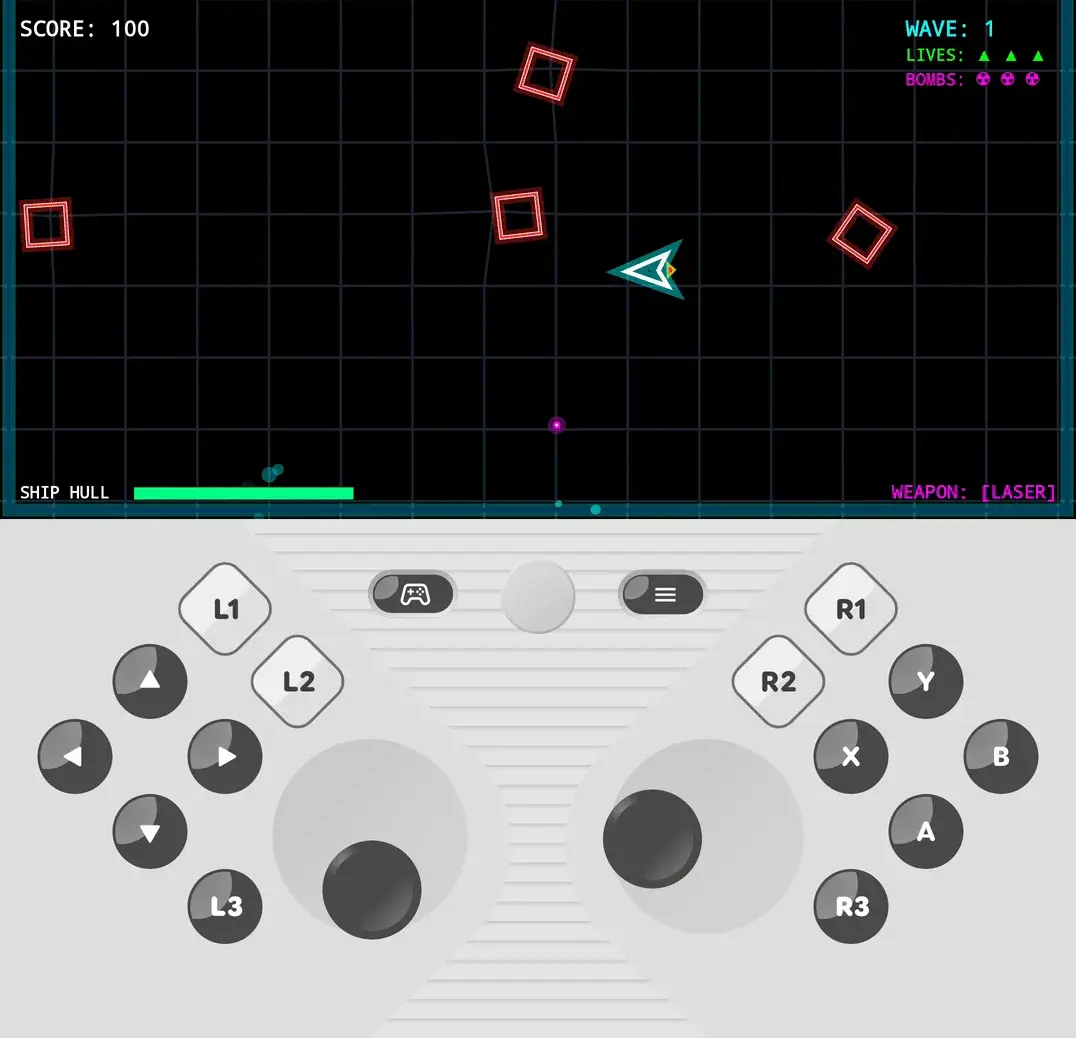
Users gain full control over their gaming environment by adjusting the controller’s layout, button size, and aesthetic theme to fit their ergonomic preferences.
The system provides various configuration options, including twin-stick inline or staggered layouts, accommodating different hand sizes and gaming styles. To further enhance immersion, the interface offers haptic feedback, simulating the tactile response of physical buttons. Furthermore, the virtual controller is designed for flexibility; users can easily hide the interface when it is not required or disable it entirely through the system settings menu.
System Integration Ensures Broad Software Compatibility
One of the most significant advantages of this development is its implementation within the Android Open Source Project (AOSP) code. This allows original equipment manufacturers to tailor the software to their specific hardware dimensions, ensuring a consistent user experience across different foldable models. By standardizing this feature, Google ensures that developers do not need to update their titles to support the new input method.
The operating system intelligently transitions between input methods, disabling the virtual overlay the moment a physical Bluetooth or USB-C controller is detected.
This smart switching mechanism ensures that players never experience input conflicts or screen obstruction. As the release of Android 17 approaches, this update signifies a major step forward in recognizing the unique needs of foldable hardware. By bridging the gap between mobile touch controls and console-like interaction, Google is effectively unlocking the full gaming potential of large-screen foldable devices.
We are eager to hear your thoughts on this upcoming feature; how significantly do you believe a system-level virtual controller will improve your daily gaming sessions on foldable devices? Share your perspective in the comments section below.
Your comment has been submitted,
it will be published after approval.