
Anthropic Officially Launches Faster and More Efficient Claude Sonnet 5.5

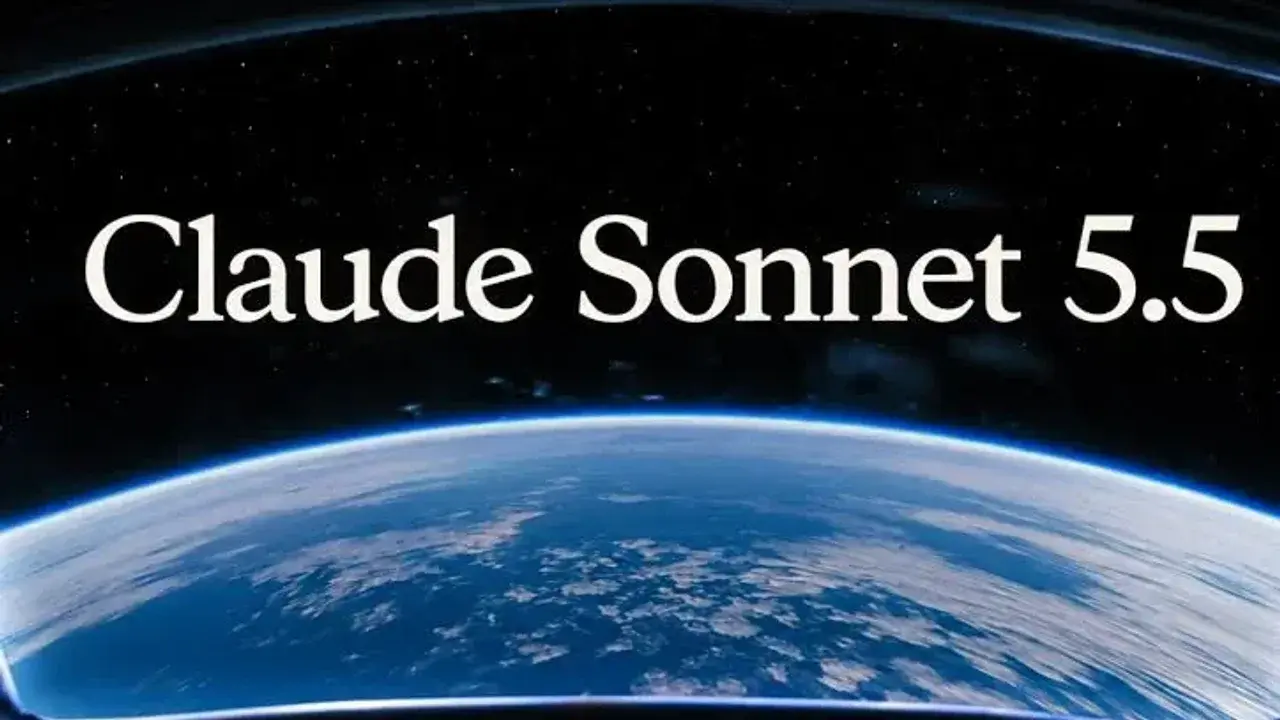
Anthropic has officially expanded its artificial intelligence portfolio with the introduction of the new Claude Sonnet 5.5 model, aimed at enhancing productivity for enterprise users. Announced on September 28, 2026, this latest iteration serves as a direct successor to the Sonnet 5 model, which debuted just three months prior. Designed to optimize daily office workflows and complex document generation, the new model focuses on delivering significant speed improvements and cost-efficiency. By refining its architecture, Anthropic continues to solidify its competitive standing in the rapidly evolving generative AI market while providing users with a more agile tool for professional tasks.
- The Claude Sonnet 5.5 model delivers a 30 percent increase in processing speed compared to its predecessor.
- Operational costs for most tasks are reduced by up to 30 percent with the new architecture.
- This model integrates advanced cybersecurity measures comparable to the higher-tier Opus version.
- Anthropic intends to release an updated version of its lightweight Haiku model in the coming weeks.
Performance Gains Provide Increased Speed
The transition from Sonnet 5 to Sonnet 5.5 represents a strategic shift toward optimizing token consumption and execution speed. According to performance data released by the developer, the model operates 30 percent faster than the previous generation. This technical advancement allows users to handle demanding AI-driven projects with greater efficiency, effectively reducing the time required for complex computational outputs. 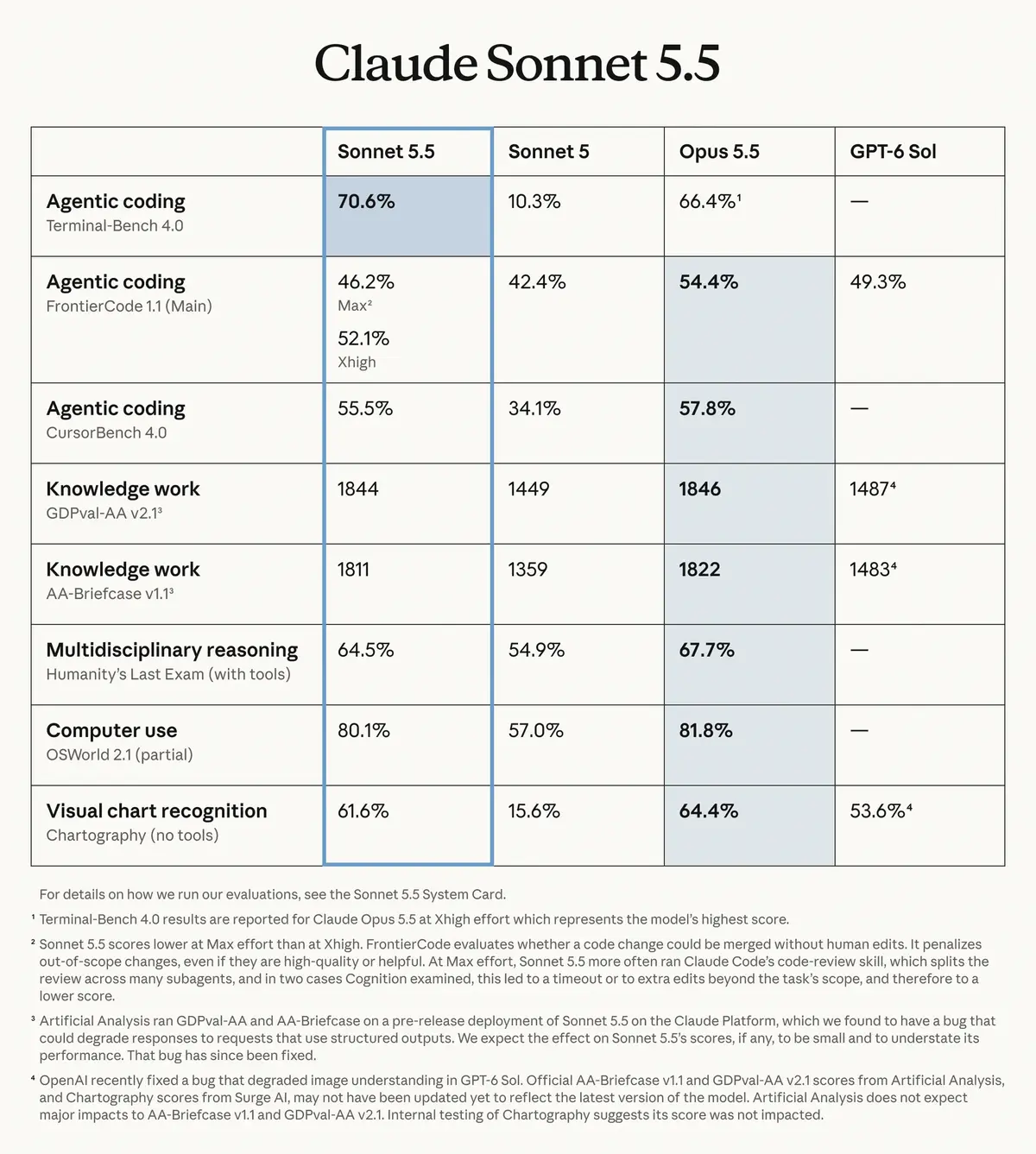
Interestingly, internal benchmarks indicate that Sonnet 5.5 occasionally outperforms the more powerful Opus 5.5 in specific agent-based coding scenarios. This performance profile suggests that the model is uniquely suited for tasks where agility is prioritized over raw, maximum-scale computing power. By enabling the simultaneous deployment of multiple AI agents without exceeding budget constraints, the model provides a scalable solution for organizations looking to integrate automation into their existing software development lifecycles.
New Security Standards are Being Implemented
A significant milestone for this release is the integration of rigorous security protocols. Sonnet 5.5 is the first model in the Sonnet line to undergo the same stringent cybersecurity audits and protective measures previously reserved for the Fable and Opus series. This decision reinforces the company’s commitment to enterprise-grade safety, ensuring that users can deploy the model in sensitive environments with a higher degree of confidence.
The convergence of enhanced speed and robust safety features positions Sonnet 5.5 as a versatile choice for businesses that require reliable, secure, and cost-effective AI assistance. As the company continues to iterate on its model hierarchy, the focus remains on balancing performance capabilities with institutional security requirements to maintain a competitive edge in the global market.
Future Updates are Being Prepared
Looking ahead, Anthropic is actively developing the next generation of its entry-level model, Haiku. While specific launch details remain undisclosed, the company has confirmed that updates for this smaller, efficient model are currently in progress. These upcoming changes are expected to further round out the company’s ecosystem, providing users with a comprehensive range of models tailored to different computational needs.
As Anthropic continues to push the boundaries of speed and security with the new Claude Sonnet 5.5, we would like to hear your thoughts on these advancements. How do you envision these efficiency improvements impacting your daily professional workflow or coding projects? Please share your experiences and insights in the comments section below.
Your comment has been submitted,
it will be published after approval.