
Apple A20 Pro Production Stalls Over DRAM Supply Shortages


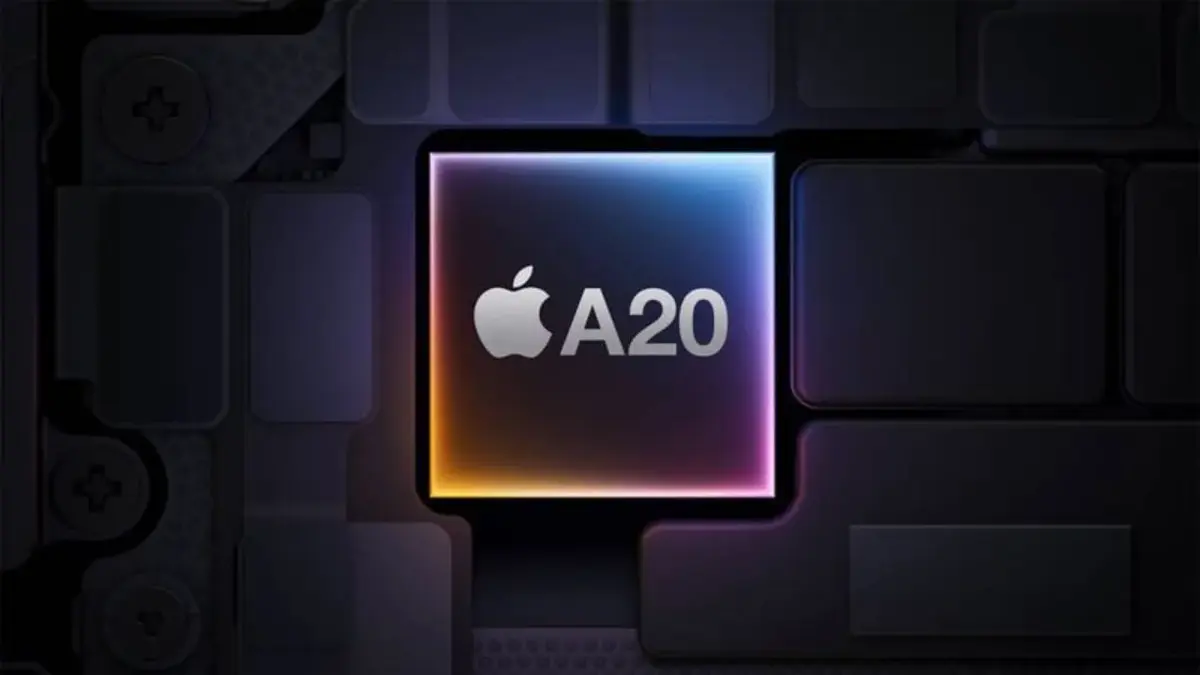
Apple is facing a significant manufacturing bottleneck as the production of its next-generation A20 Pro processor, intended for the upcoming iPhone 18 series, has been severely hampered by a critical DRAM supply shortage. Reports indicate that TSMC, the primary semiconductor manufacturer for the tech giant, currently holds $1 billion worth of partially completed A20 Pro chips that remain stalled due to the absence of necessary memory components. This supply chain disruption, centered at TSMC’s Taiwan facilities, threatens to derail the anticipated launch timeline for the iPhone 18, as Apple struggles to secure the high-bandwidth memory required to finalize its hardware.
- TSMC has halted the processing of $1 billion worth of A20 Pro chips due to severe DRAM shortages.
- Apple has failed to negotiate favorable pricing or secure priority access from its primary memory suppliers.
- The current memory crisis is threatening to delay the official retail launch of the iPhone 18 lineup.
- Global competition for AI-focused hardware components has exacerbated the supply chain instability for consumer electronics.
DRAM Scarcity Disrupts Manufacturing Operations
The semiconductor industry has reached a pivotal moment with the successful implementation of 2nm manufacturing processes, yet the integration of essential components remains a hurdle. TSMC, aiming for a monthly capacity of 100,000 wafers, is currently impeded by the lack of DRAM modules needed for the Wafer-Level Multi-Chip Module Packaging (WMCM) used in Apple’s latest System-on-Chips. While series production typically commences in mid-summer, the current bottleneck has introduced substantial uncertainty into the assembly schedule.
Apple is struggling to procure sufficient volumes of high-bandwidth LPDDR5X RAM for its flagship devices.
Corporate Negotiations Face Market Realities
In an attempt to mitigate these production risks, Cupertino executives have explored various strategies, including potential partnerships with Chinese manufacturers like CXMT. However, these efforts have yielded limited success as global demand from major competitors like Huawei and Xiaomi continues to exert pressure on available supply. Apple now finds itself in a precarious position, forced to choose between paying a premium for limited memory stocks or accepting unavoidable delays in product shipments.
Artificial Intelligence Investments Influence Memory Markets
The rapid expansion of the artificial intelligence sector has fundamentally shifted the priorities of global memory manufacturers. High-speed, low-power components such as LPDDR5X are currently being prioritized for AI-dedicated hardware, leaving traditional consumer electronics manufacturers at a disadvantage. This market shift has placed Apple in an unfamiliar position within the supply chain, as it competes directly with the immense resource allocation currently directed toward the AI infrastructure boom.
The ongoing memory crisis has already pushed back delivery schedules for other products, including the MacBook Air, until at least September.
As Apple navigates this complex production landscape, the broader implications for the company’s annual release cycle remain a critical point of concern for investors and analysts alike. The ongoing difficulty in securing essential components suggests that the tech giant may need to reconsider its long-term strategy regarding supply chain independence and component sourcing. We invite you to share your perspective on whether major technology firms should invest in building their own dedicated memory production facilities or if diversifying the current supplier network remains the most viable path forward.
How do you believe this supply chain crisis will affect the overall user experience of the upcoming iPhone 18, and should Apple prioritize domestic production to avoid such bottlenecks in the future? Please leave your thoughts in the comments section below.
Your comment has been submitted,
it will be published after approval.