
Apple Accelerates Transition Away From Qualcomm Modem Technology

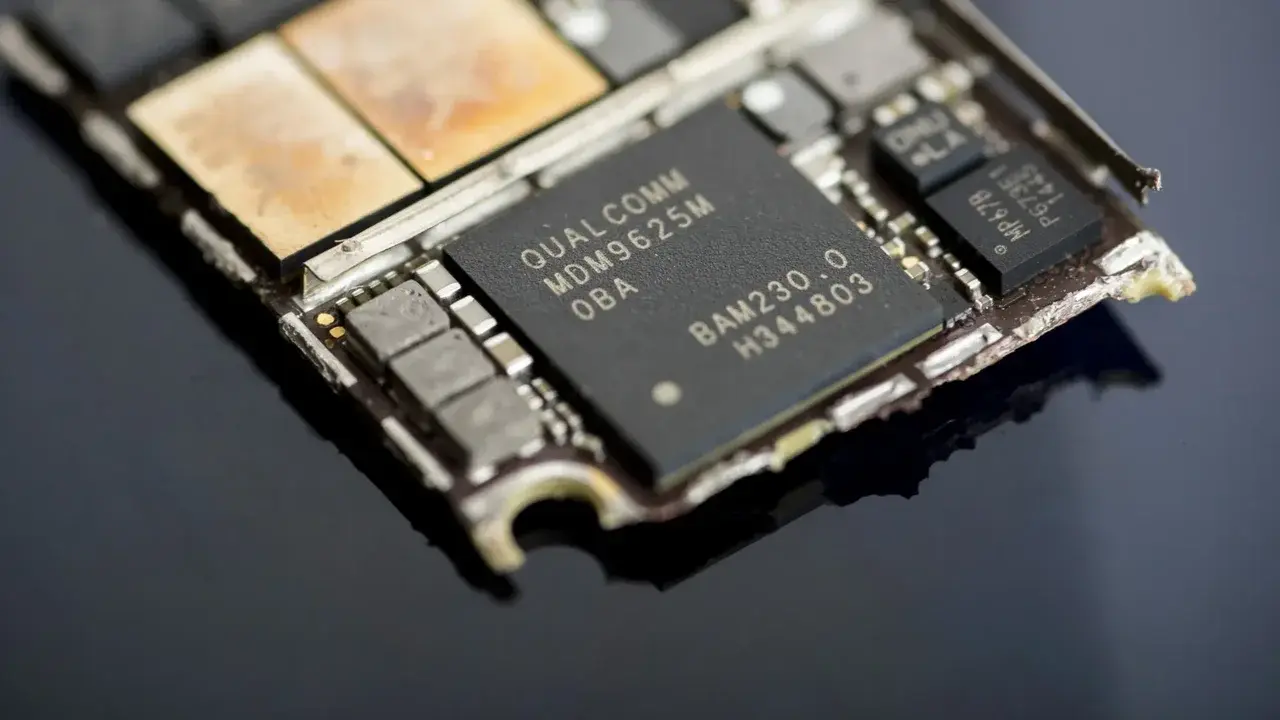
Apple is aggressively scaling back its reliance on Qualcomm as it expands the integration of its proprietary C-series modem technology across its hardware ecosystem. The transition, which is expected to reach a significant milestone with the upcoming 2026 iPhone series, marks a definitive shift in the long-standing partnership between the two technology giants. While the existing supply contract is slated to expire in March 2027, industry analysts suggest that Apple’s rapid technological advancements could terminate this dependency sooner than previously anticipated. Qualcomm CEO Cristiano Amon has acknowledged that revenue from Apple will decline sharply starting in the fourth quarter due to evolving supply constraints and Apple’s internal manufacturing shift.
- Apple is increasing the integration of its own C-series modems to reduce reliance on third-party suppliers.
- Qualcomm anticipates a significant decline in revenue derived from Apple beginning in the fourth quarter.
- The company is pivoting its financial strategy toward the artificial intelligence data center market to offset mobile hardware losses.
The shift toward proprietary hardware represents a strategic decoupling that may permanently alter the mobile component supply chain.
Qualcomm Develops New Strategy to Offset Revenue Declines
Projections for the iPhone 18 series indicate that the utilization of Qualcomm components will fall significantly below the 20 percent threshold previously forecasted by the chipmaker. This reduction aligns with Apple’s broader strategic goal to consolidate its technology stack across its diverse product lineup. To date, the C-series modems have been successfully deployed in various devices, including the iPhone Air, iPad Pro, iPad Air, and the specialized iPhone 16e and 17e editions.  The inclusion of these custom components in the iPhone 18 series signifies a major technological milestone for Apple’s internal engineering teams.
In response to the diminishing reliance from its largest client, Qualcomm has redirected its focus toward the burgeoning AI data center sector. The company aims to capture substantial market share, projecting revenues of $5 billion by 2027 and $15 billion by 2029. This transition reflects an effort to diversify income streams as the smartphone modem market becomes increasingly saturated with internal vendor solutions.
Industry Analysts Question Future Market Expectations
Supply chain volatility and rising component costs have pressured Qualcomm to implement price adjustments, which experts believe has inadvertently encouraged Apple to accelerate its internal development cycle. While Qualcomm’s financial targets for its AI initiatives remain ambitious, market analysts have expressed caution regarding potential market bubbles in the artificial intelligence sector. The long-term viability of these aggressive revenue targets remains contingent upon the stability of global AI infrastructure demand.
Market observers remain skeptical about whether Qualcomm can successfully pivot its core business model to sustain long-term growth.
As Apple continues to assert more control over its critical hardware components, the competitive landscape of the smartphone industry faces a period of inevitable transformation. The transition away from Qualcomm is not merely a supply chain decision; it is a fundamental shift in how premium mobile devices are architected and manufactured globally.
How do you anticipate Apple’s move to proprietary modem technology will impact the performance and pricing of future iPhone models? Share your thoughts in the comments section below.
Your comment has been submitted,
it will be published after approval.