
Apple Announces End of Software Support for 16 Devices

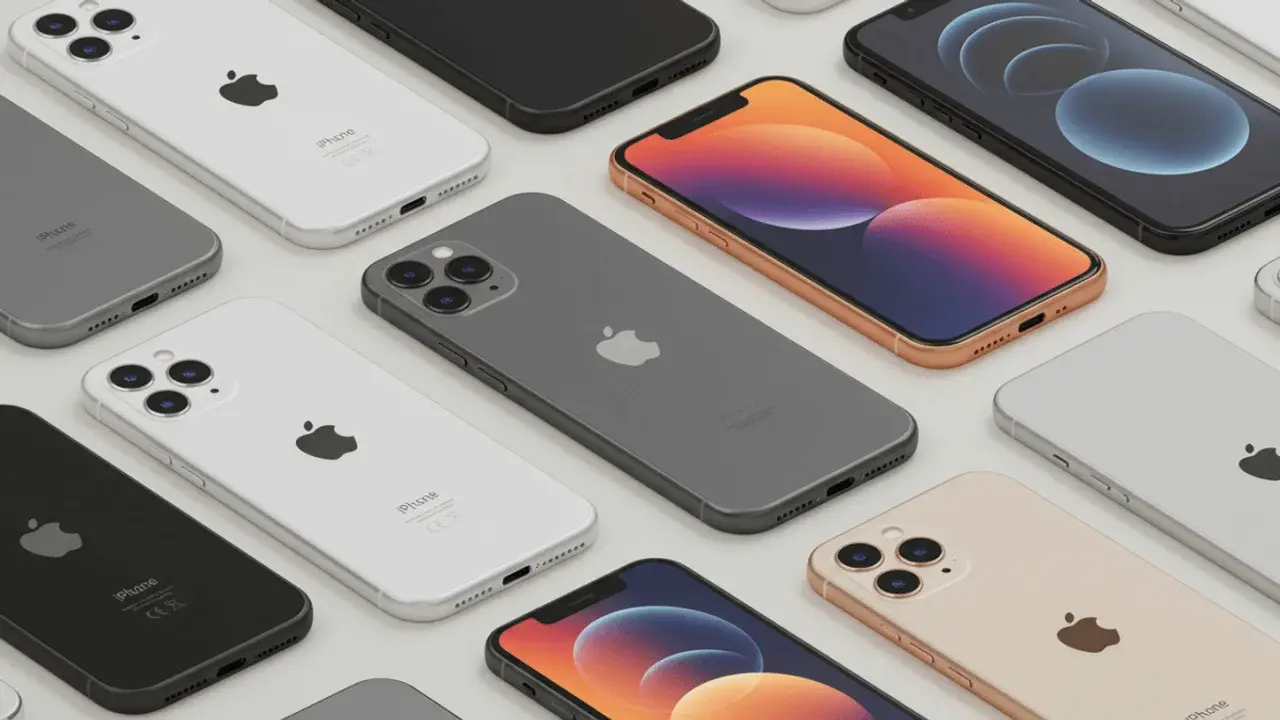
Apple has officially confirmed that 16 legacy devices across four distinct product lines will lose software support this autumn as part of the company’s major operating system updates announced at WWDC. This shift marks a significant transition for the ecosystem, as the upcoming software versions require more advanced hardware architectures, specifically targeting newer chips. Consequently, many long-time users of Apple Watch, iPad, Mac, and Apple TV models will no longer receive new feature updates or functional improvements. This strategic move aims to optimize performance for current hardware, leaving various older models behind in the upcoming software release cycle.
- Apple will discontinue software support for 16 different hardware devices this year.
- The watchOS 27 update requires either an S9 or S10 chip for compatibility.
- Intel-based Mac models are officially excluded from the macOS 27 Golden Gate release.
- Security patches for legacy devices will likely continue for one additional year.
Apple Watch and iPad Series Face Major Compatibility Changes
The transition to watchOS 27 represents the most extensive reduction of support in the history of the Apple Watch lineup. By mandating advanced processing power, Apple is effectively retiring the Series 6, Series 7, Series 8, the first-generation Apple Watch Ultra, and the second-generation Apple Watch SE. This decision forces a hardware upgrade for users who rely on the latest health and productivity features offered by the company’s newest watchOS iterations.
Meanwhile, the iPad ecosystem is undergoing a similar hardware consolidation. iPadOS 27 now requires an A14 Bionic or M1 chip, significantly raising the entry barrier for users. Popular legacy devices, including the third-generation iPad Air and the first-generation 11-inch iPad Pro, are no longer supported. This transition is much broader than previous cycles, affecting a wide range of tablets that were previously considered capable performers.
Users who prioritize new software features must now upgrade their hardware to stay current with Apple’s ecosystem.
Intel Mac Era and Apple TV Support Conclude
The macOS 27 Golden Gate update signals the final chapter for Intel-powered computers. After confirming that previous versions were the last to support these processors, Apple is now removing support for several notable machines, including the 2019 16-inch MacBook Pro and the 2020 iMac. This move completes the company’s long-term strategy to transition its entire computer lineup to proprietary Apple Silicon architecture.
Apple TV users are also seeing a reduction in supported hardware. The tvOS 27 update excludes the 2015 Apple TV HD and the first-generation Apple TV 4K, limiting future updates to the second and third generations of the 4K model. While iOS 27 and HomePod support remain stable for existing devices, the overall trend suggests a tightening of hardware requirements across the board.
Security remains a priority as Apple continues to issue critical safety patches for discontinued models for a limited duration.
These updates are expected to reach the public in September following the conclusion of the beta testing phase. While the loss of support may be frustrating for loyal users of older hardware, it underscores the rapid pace of technological advancement in consumer electronics. We invite you to share your thoughts in the comments section below regarding whether your devices are affected by these upcoming software changes.
Are your favorite Apple devices on the list to lose support this year, and do you plan to upgrade your hardware soon?
Your comment has been submitted,
it will be published after approval.